

This guide provides a detailed roof inspection checklist specifically designed for the North Dakota climate. You will learn how to identify common issues like hail bruising and wind-lifted shingles. We explain the importance of roof inspection after our intense winter seasons. Our tips help you spot early roof leak inspection signs before they cause indoor mold or rot. Use this checklist to maintain your home’s value and ensure your family stays dry year-round.
Why Regular Roof Maintenance Matters in North Dakota
A professional roof inspection is the most effective way to extend the life of your roofing system. Our local weather features extreme temperature swings that cause shingles to expand and contract constantly. This movement can loosen nails and crack seals around your chimney or vents. By following a regular roof inspection process, you catch these tiny gaps before the next rainstorm hits. Homeowners who ignore their roofs often face massive bills that a simple repair could have prevented.
The roof inspection benefits go beyond just leak prevention; they also protect your insurance eligibility. Many insurance companies require proof of maintenance to honor storm damage claims. We recommend a full check-up at least twice a year—once in the spring and once before the first snowfall. Our team understands the specific signs you need a roof inspection, such as grit in your gutters or dark spots on your ceiling. Staying proactive ensures your roof remains a strong shield against the unpredictable Bismarck elements.
Your DIY Roof Inspection Checklist
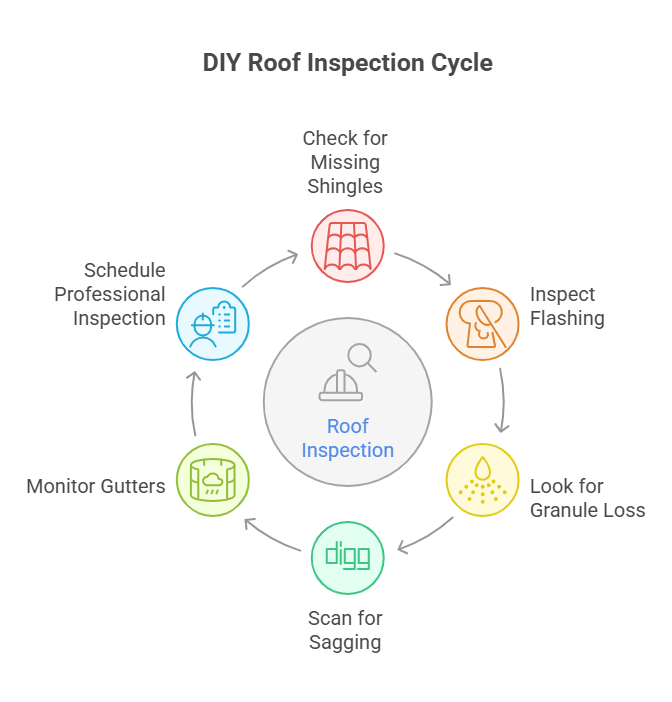
While you should always hire a pro for a deep dive, you can perform a safe ground-level check yourself. Use a pair of binoculars to scan your roof for visible irregularities without climbing a ladder. This roof inspection checklist helps you organize your observations for a contractor.
- Check for Missing Shingles: Look for bare spots or shingles lying in your yard after a high wind event.
- Inspect Flashing: Ensure the metal around chimneys and skylights is not rusted or pulling away.
- Look for Granule Loss: Check your downspouts for excessive “sand,” which indicates your shingles are wearing thin.
- Scan for Sagging: Look at the ridgeline of your roof to ensure it is perfectly straight and not dipping.
- Monitor Gutters: Ensure water flows freely and that the gutters are not pulling away from the roofline.
Following these steps provides a great start to your roof maintenance routine. If you see any of these issues, it is time to schedule a professional roof inspection immediately. Catching a loose flashing piece now can save you from a full commercial roof inspection or residential replacement later. Early detection is your best defense against the high costs of structural water damage.
What Happens During a Professional Inspection
A professional roof inspection is much more thorough than a simple visual scan from the street. An expert will climb onto the roof to check the “hand-sealed” areas that binoculars cannot see. They apply gentle pressure to the surface to find “soft spots” that indicate rotting wood beneath the shingles. Your inspector will also check your attic to ensure your ventilation system is working correctly.
| Feature | DIY Ground Check | Professional Inspection |
| Safety | High (No climbing) | Handled by insured pros |
| Equipment | Binoculars | Moisture meters & Drones |
| Interior Check | Visible ceiling leaks | Attic insulation & venting |
| Documentation | Personal notes | Full written report for insurance |
| Cost | Free | Low-cost investment |
The roof inspection process concludes with a detailed report of the findings. This report helps you decide if you need a minor roof leak inspection or repair, or a larger renovation. Most professionals will provide photos of the damage so you can see exactly what they found. This transparency builds trust and helps you plan your home maintenance budget effectively.
Frequently Asked Questions
How often should I use a roof inspection checklist?
You should perform a visual check every spring and fall. A professional roof inspection is recommended every two years or after any major hail storm in Bismarck.
What are the most common signs you need a roof inspection?
Look for water stains on your interior walls, curling shingle edges, or a sudden spike in your heating and cooling bills. These often point to hidden roof failures.
Can a roof inspection help with my insurance claim?
Yes, a professional report provides the evidence adjusters need to approve a claim. It documents the exact date and type of damage found on your property.
Is a commercial roof inspection different from a residential one?
Yes, commercial inspections focus more on membrane seams, drainage pipes, and large-scale equipment seals. Residential checks focus more on shingle integrity and attic airflow.
What is the “importance of roof inspection” for a new home buyer?
It prevents you from buying a house that needs a $20,000 roof replacement next month. Always get an independent inspection before finalizing a home purchase.
Schedule Your Bismarck Roof Inspection Today
You should never wait for a leak to start before checking your roof’s health. At Rooftop Renovation, we offer the most thorough professional roof inspection services in the Bismarck-Mandan area. Our team uses the latest tools to find hidden damage and provide honest solutions. We take the guesswork out of roof maintenance so you can enjoy a safe home.
Protect your biggest investment with a company that cares about quality. Whether you need a simple roof leak inspection or a full checklist review, we are here to help.
📞 Call Now: 701-751-7833
🌐 Website: rooftoprenovation.com
📍 Visit Us: 6962 Aurora Loop UNIT A, Bismarck, ND 58503
Let us give you the peace of mind that comes with a sturdy, well-inspected roof!