
Siding Installation in Bismarck, ND
Professional siding installation in Bismarck, ND helps protect exterior walls from weather exposure while updating the appearance of your home or commercial property. Rooftop Renovation & Exteriors installs vinyl, steel, fiber cement, and shake siding based on the property, selected material, and project requirements.
A successful siding project involves more than attaching panels to a wall. Existing siding, wall condition, moisture management, flashing, trim, windows, doors, corners, fasteners, and the manufacturer’s installation requirements all need to be considered.
Whether you are replacing damaged siding, updating an older exterior, or planning siding for a new property, our team can evaluate the existing condition, explain your options, and prepare a project-specific estimate.
Rooftop Renovation & Exteriors

What Does Professional Siding Installation Include?
A complete siding project begins with the condition of the existing exterior rather than simply choosing a color or profile. The installation approach can vary according to the siding material, wall assembly, existing conditions, and manufacturer’s requirements.
Professional siding installation may include:
- Existing siding evaluation and removal when required
- Exterior wall and moisture assessment
- Surface preparation
- Weather-resistant barrier and flashing coordination
- Siding panel or shake installation
- Window, door, corner, and edge detailing
- Trim and finishing work
- Final alignment and quality inspection
- Job-site cleanup
The goal is to create a finished exterior that looks consistent while properly integrating the siding with the wall assembly and surrounding components.
What Types of Siding Does Rooftop Renovation Install?
Rooftop Renovation’s current siding page identifies vinyl, steel, fiber cement, and shake siding as available siding options. The best fit depends on the property’s design, existing exterior, maintenance expectations, budget, and local weather exposure.
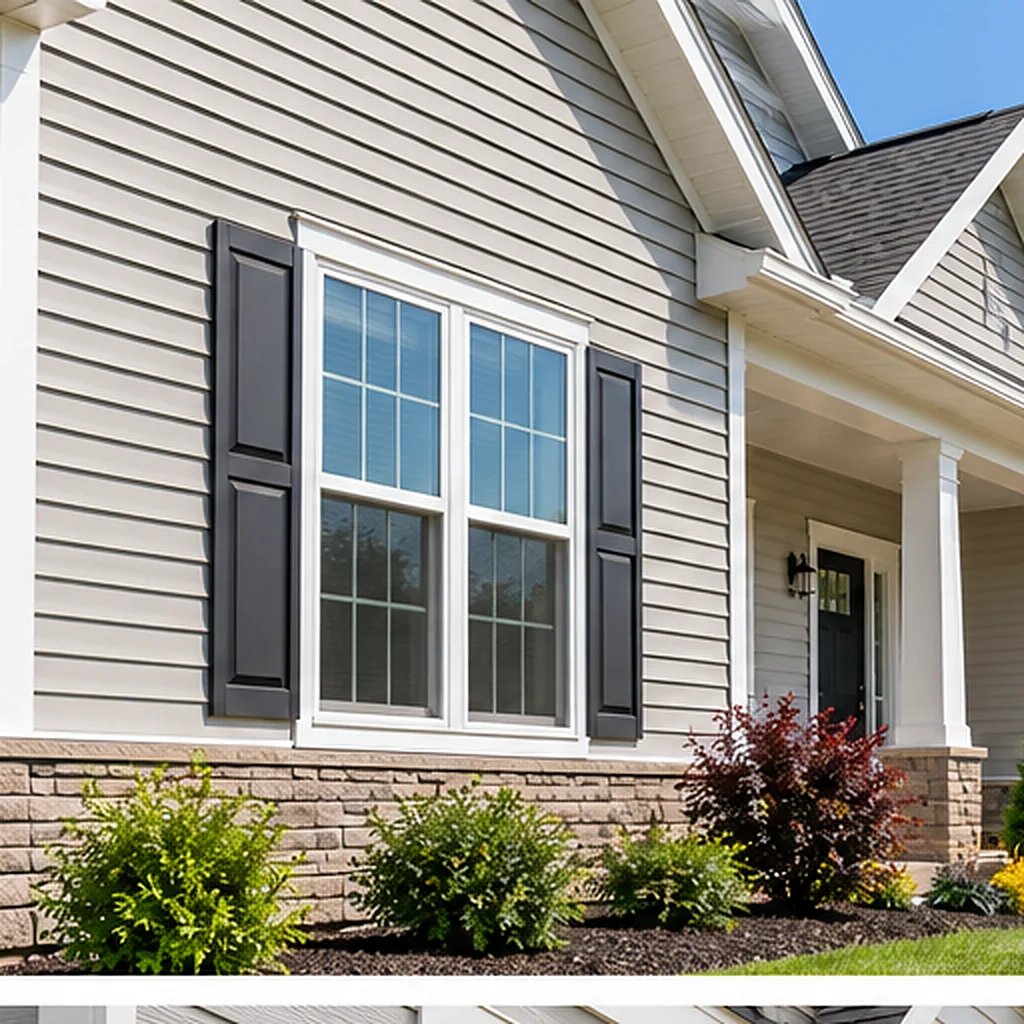
Vinyl Siding
Vinyl siding is a popular option for homeowners who want a relatively low-maintenance exterior with multiple colors, profiles, and styles. Proper installation is important because vinyl siding is designed to accommodate movement caused by temperature changes. For vinyl siding, starter strips, fasteners, overlaps, clearances, and accessory installation should follow the applicable code and the selected manufacturer's instructions.
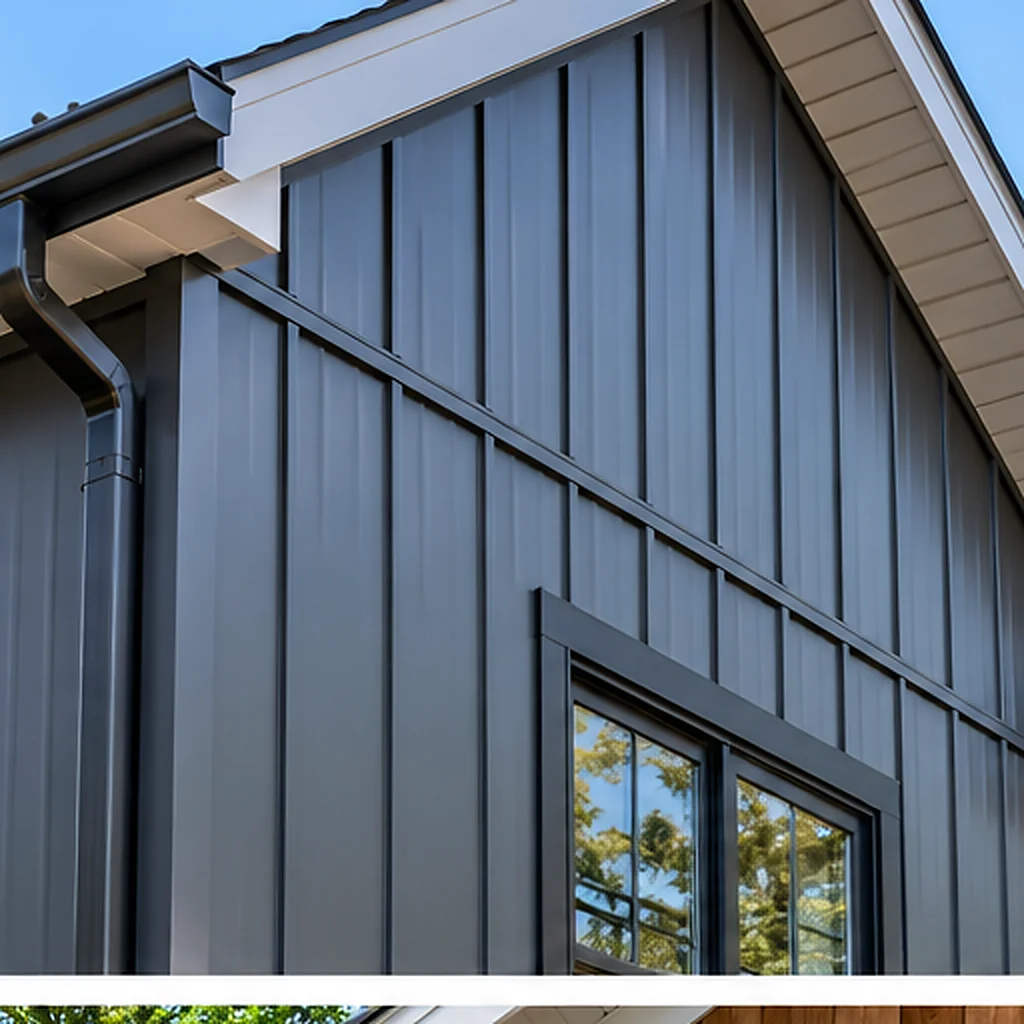
Steel Siding
Steel siding provides a metal exterior with a range of colors and finishes. It can be considered where homeowners want a durable metal siding system with a more structured appearance. The correct fastening method, substrate, clearances, trim, and product-specific installation requirements should be established before installation.
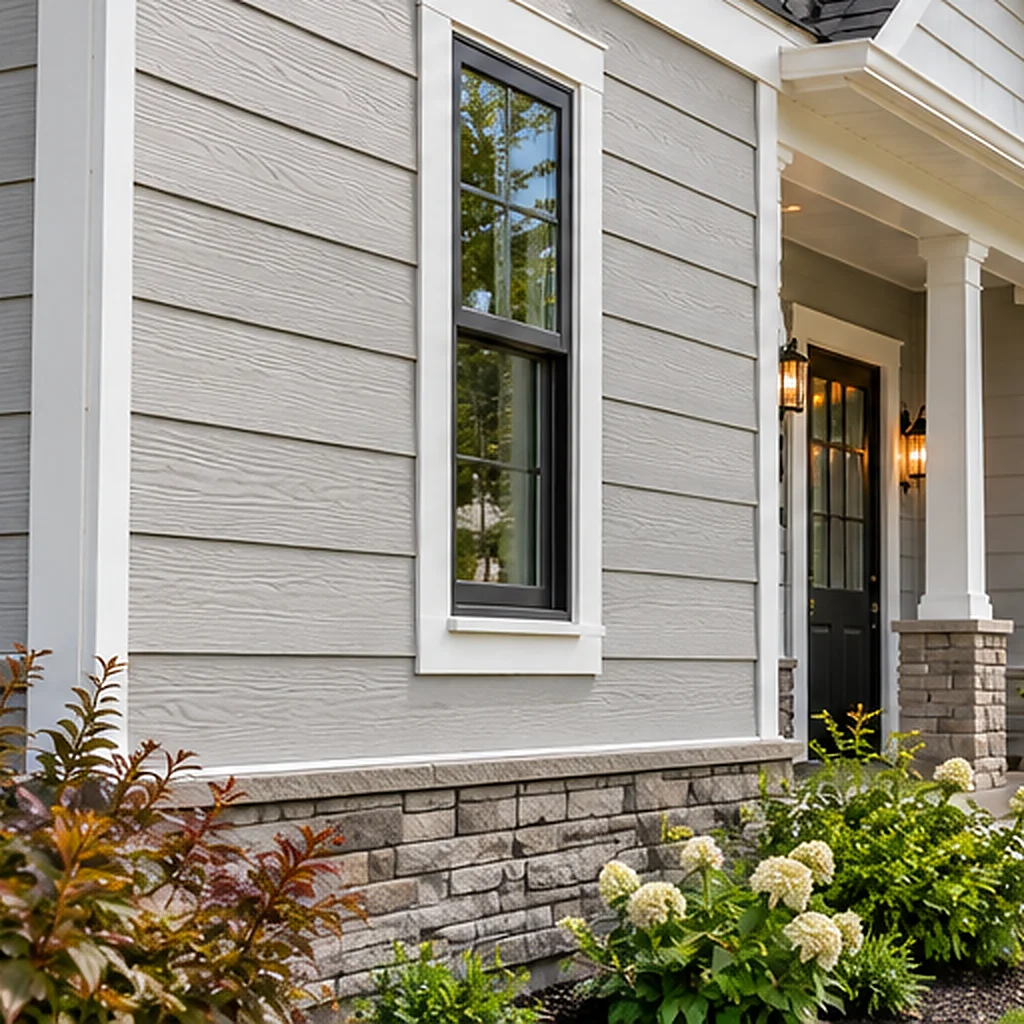
Fiber Cement Siding
Fiber cement siding can provide a wood-like appearance in a variety of profiles and finishes. It requires careful handling, fastening, joint treatment, and installation according to the selected product's requirements. Because fiber cement products differ by manufacturer, the installation method should be based on the actual product rather than a generic siding procedure.
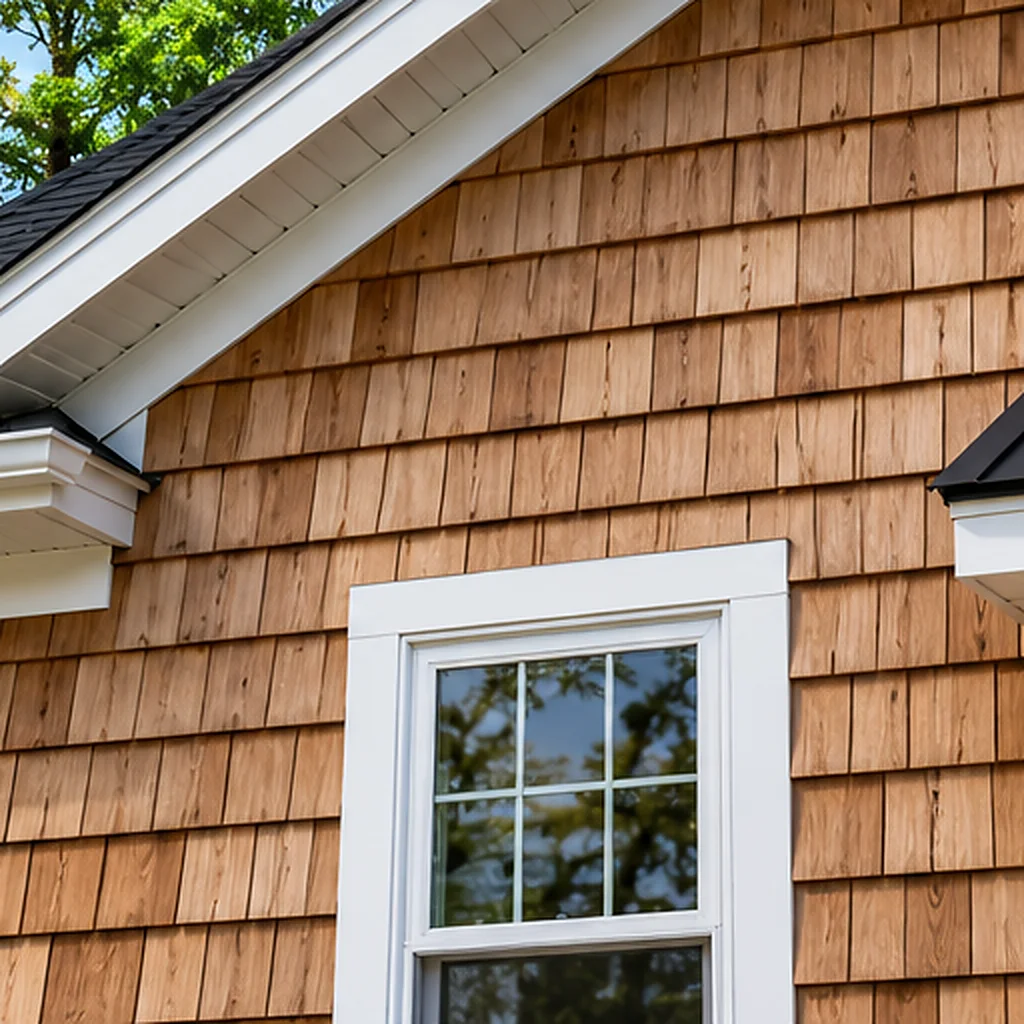
Shake Siding
Shake siding can give an exterior a more textured or traditional appearance. Depending on the selected product, shake-style siding may be manufactured from wood or composite materials. Maintenance, fastening, moisture management, finish requirements, and expected service life vary by product, so the specific material should be evaluated before installation.
How Does Siding Installation Work?
A well-planned house siding installation follows a sequence that addresses the wall assembly before the visible siding is installed.
1. Exterior Inspection and Measurements
The existing siding, wall surfaces, trim, openings, corners, and other visible conditions are reviewed. Accurate measurements help determine material quantities and project scope.
2. Existing Siding Removal
If the project requires replacement, the existing siding may be removed so the underlying wall assembly can be evaluated. The need for removal depends on the existing material, its condition, the new siding system, and applicable requirements.
3. Wall Preparation
Damaged or deteriorated areas should be addressed before new siding is installed. The condition of the wall sheathing and surrounding areas can affect the finished installation.
4. Moisture Protection and Flashing
A siding system works with the wall's weather-resistant assembly rather than replacing it. Current IRC provisions require exterior wall assemblies to provide weather resistance, including appropriate water-resistive barrier and flashing provisions.
5. Siding Installation
The selected siding is installed according to its approved installation method. This can include starter strips, panels, fasteners, overlaps, joints, trim, and accessory components.
6. Windows, Doors, Corners, and Trim
Openings and transitions receive particular attention because water management at windows, doors, wall intersections, and other penetrations is an important part of the exterior wall assembly.
7. Final Inspection and Cleanup
The completed siding is reviewed for alignment, finish details, trim, visible installation issues, and overall appearance. The work area is then cleaned before project completion.
Since 2016
Serving Bismarck, ND
25+ Years
Combined Roofing & Construction Experience
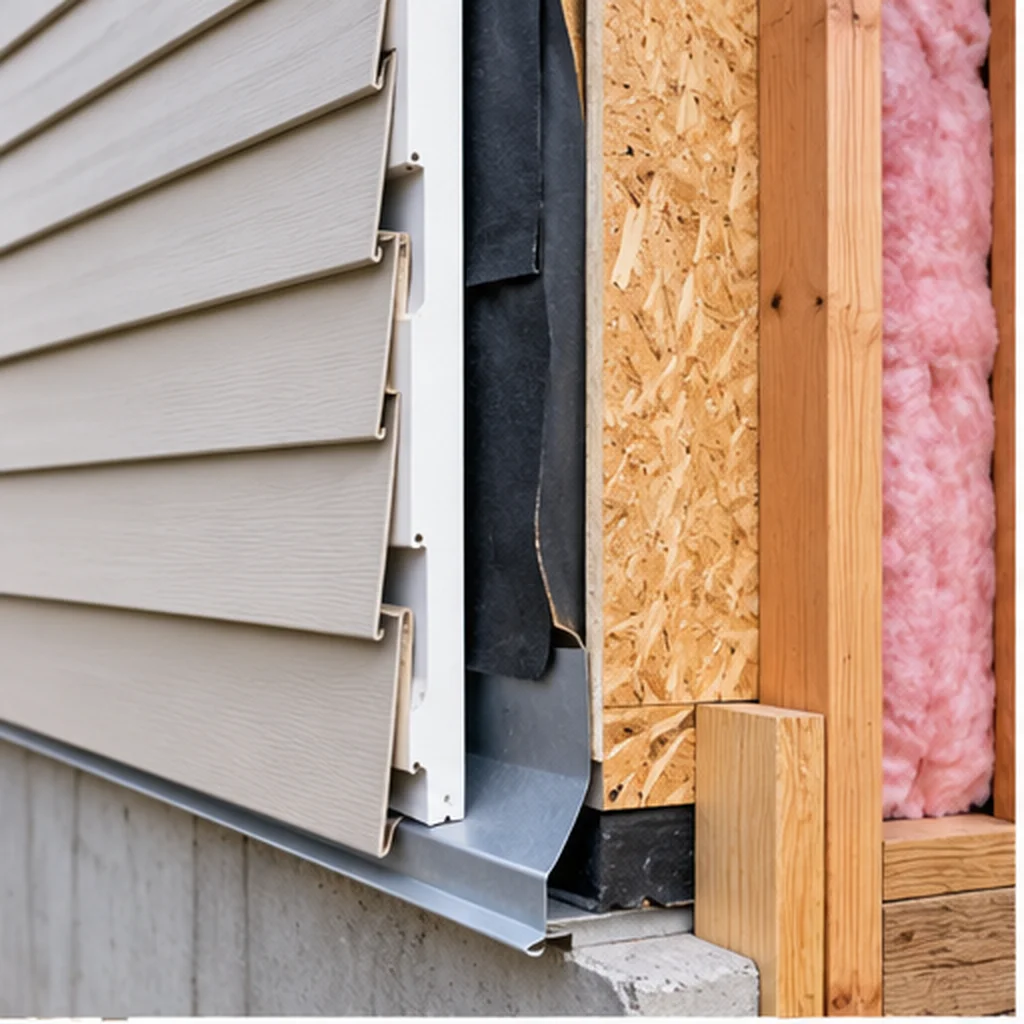
What Goes Under House Siding?
The visible siding is only one part of an exterior wall system.
Depending on the property and selected siding, the wall assembly may include:
- Wall sheathing
- Water-resistive barrier
- Flashing
- Drainage provisions
- Insulation or continuous insulation where applicable
- Siding fasteners
- Starter strips or other starting components
- Trim and accessory pieces
- Window and door flashing
- Sealants or joint treatments where specified
The exact assembly should follow the applicable code and the siding manufacturer’s installation instructions. The 2024 IRC addresses water-resistive barriers, flashing, siding attachment, and material-specific installation requirements.
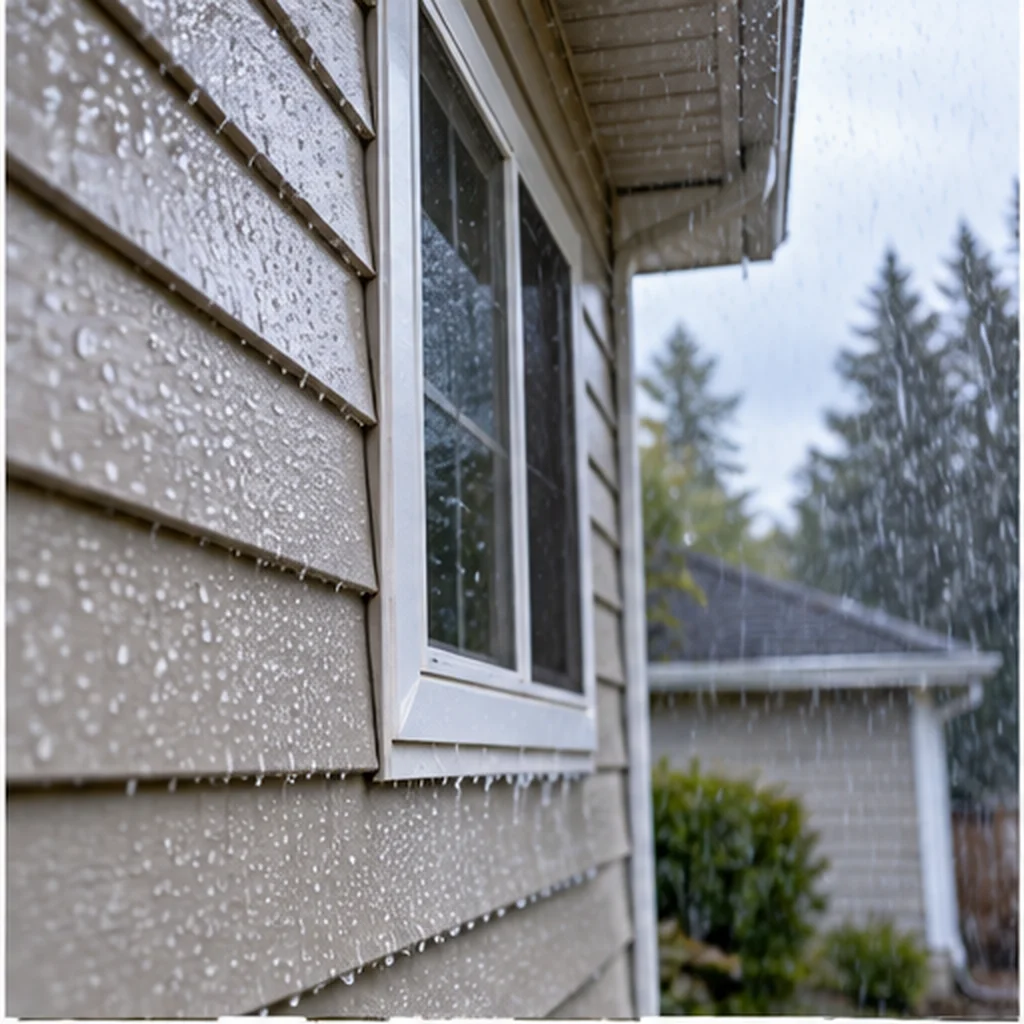
How Does Siding Protect a Home From Moisture?
Siding helps shield exterior walls from direct weather exposure, but siding itself should not be treated as the home’s only waterproofing layer.
Water management depends on the complete wall assembly. The weather-resistant barrier, flashing, siding, joints, penetrations, windows, doors, and drainage paths need to work together so water that reaches behind the cladding can drain toward the exterior.
This becomes especially important around:
- Windows and doors
- Wall-to-roof intersections
- Corners
- Exterior penetrations
- Trim
- Deck or porch connections
- Areas with damaged or poorly sealed siding
The 2024 IRC requires exterior wall assemblies to manage water through a weather-resistant envelope, water-resistive barrier, flashing, and drainage provisions, subject to the applicable exceptions and construction system.
How Much Does Siding Installation Cost in Bismarck, ND?
There is no single siding installation cost that applies to every property. The total price depends on the size and complexity of the exterior, selected siding material, labor, existing siding removal, wall preparation, trim, windows and doors, corners, access, and any repairs discovered during preparation.
A siding installation estimate may need to account for:
- Total wall area
- Siding material and profile
- Existing siding removal
- Wall or sheathing repairs
- Weather barrier and flashing
- Insulation requirements
- Trim and accessories
- Building height and accessibility
- Disposal
- Labor
- Permit requirements when applicable
For that reason, comparing only the material price per square foot can give an incomplete picture of the actual house siding cost. A property-specific estimate provides a more useful basis for comparing siding options.
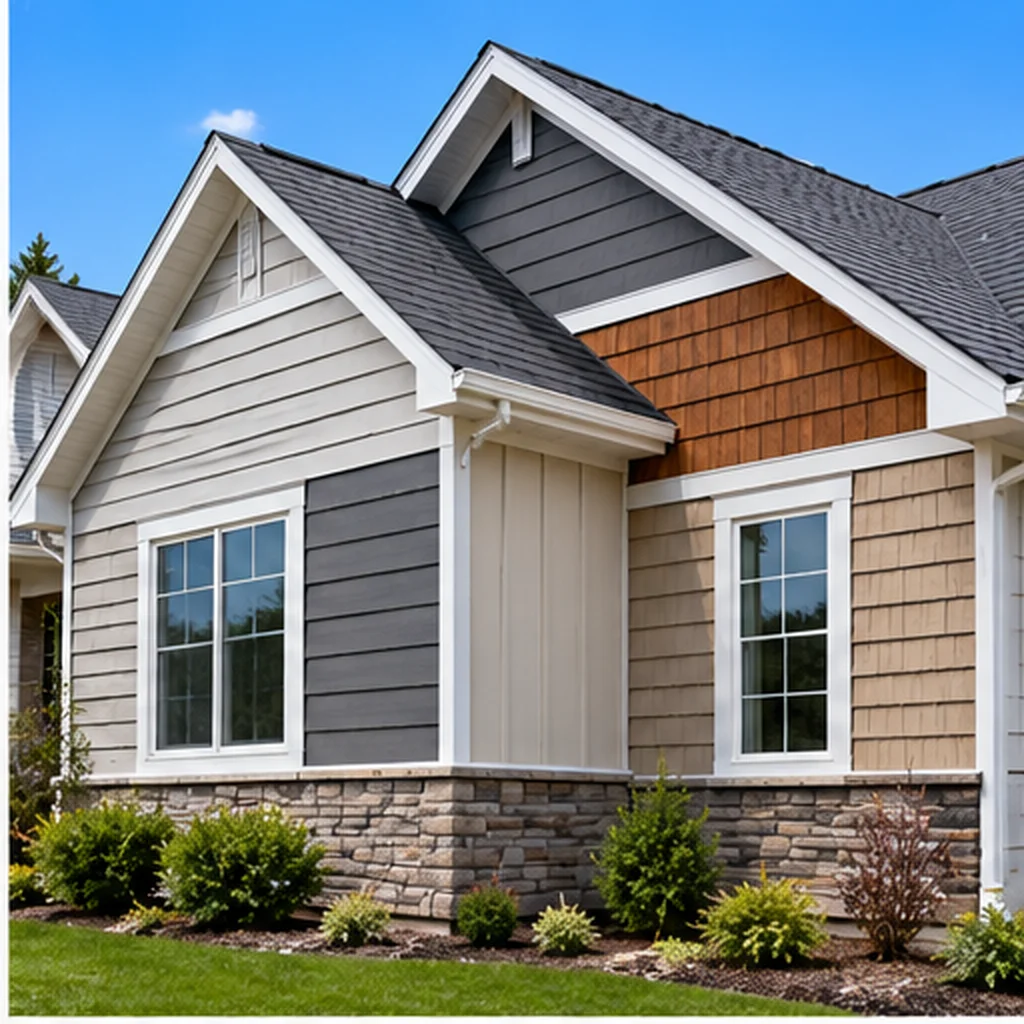
Which Siding Material Is Best for Your Home?
There is no single siding material that is automatically best for every Bismarck property. The right choice depends on appearance, maintenance, budget, wall condition, weather exposure, and the characteristics of the selected product.
Vinyl siding can make sense when low-maintenance ownership, style options, and cost considerations are important.
Steel siding may suit property owners looking for a metal exterior and product-specific durability characteristics.
Fiber cement siding can be a good fit when a wood-like appearance and a different material composition are priorities.
Shake siding can work well when the design calls for a textured or traditional exterior appearance.
The comparison should also include the product’s installation requirements, warranty terms, finish, maintenance expectations, and suitability for the specific building.
What Siding Is Suitable for North Dakota Weather?
Bismarck siding systems need to deal with changing temperatures, snow, wind, hail, rain, moisture, and repeated seasonal exposure. The appropriate siding choice therefore depends not only on the material but also on how the complete system is installed.
Snow and Freezing Temperatures
Siding and its accessories should be installed with the clearances and movement provisions required by the product. Water management is especially important when seasonal freezing can affect exposed joints and moisture around the wall assembly.
Wind and Storms
Wind resistance depends on the siding material, fastening method, wall construction, product testing, and installation. Fastener spacing and attachment should follow the applicable code and manufacturer requirements rather than a universal installation pattern.
Hail and Impact
Hail can damage exterior cladding, particularly during severe storms. If impact resistance is important, the specific product's published testing and warranty information should be reviewed before selection.
Moisture and Freeze-Thaw Conditions
Proper flashing, weather-resistant barriers, joints, trim, and drainage help manage moisture before it becomes a wall problem. A siding material cannot compensate for a poorly prepared or poorly drained wall assembly.
When Does Siding Need Repair or Replacement?
Not every damaged siding system requires complete replacement. The appropriate solution depends on the extent and location of the damage.
When Does Siding Need Repair?
Localized repair may be appropriate when damage is limited to specific panels, shakes, trim pieces, or accessories and compatible replacement material is available.
Common warning signs include:
- Cracked or broken siding
- Loose or displaced panels
- Warping or buckling
- Storm or hail damage
- Damaged trim
- Visible moisture problems
- Deteriorated joints or surrounding components
When Should You Replace Your Siding?
A broader siding replacement may make more sense when damage is widespread, the existing material is significantly deteriorated, moisture problems have affected multiple areas, or compatible repair material is no longer practical to source.
An inspection should determine whether the issue is limited to the siding or extends into the underlying wall assembly.
Can New Siding Be Installed Over Existing Siding?
Sometimes, but it should not be assumed.
Whether new siding can be installed over existing siding depends on the existing material, its condition, wall flatness, moisture condition, new siding requirements, applicable code, and the manufacturer’s installation instructions.
If the existing siding is damaged, wet, deteriorated, or preventing proper installation of the new system, removal may be necessary. Removing the existing material can also provide an opportunity to inspect the underlying wall assembly before the new exterior is installed.
How Long Does House Siding Last?
No single lifespan applies to every siding material or product.
Service life can be affected by:
- Material type
- Product quality
- Installation quality
- Weather exposure
- Moisture management
- Maintenance
- Impact or storm damage
- Finish and coating
- Manufacturer specifications
Instead of relying on a generic lifespan number, homeowners should review the selected product’s warranty, maintenance requirements, installation documentation, and expected performance for the property’s environment.
How Should You Maintain Your Home's Siding
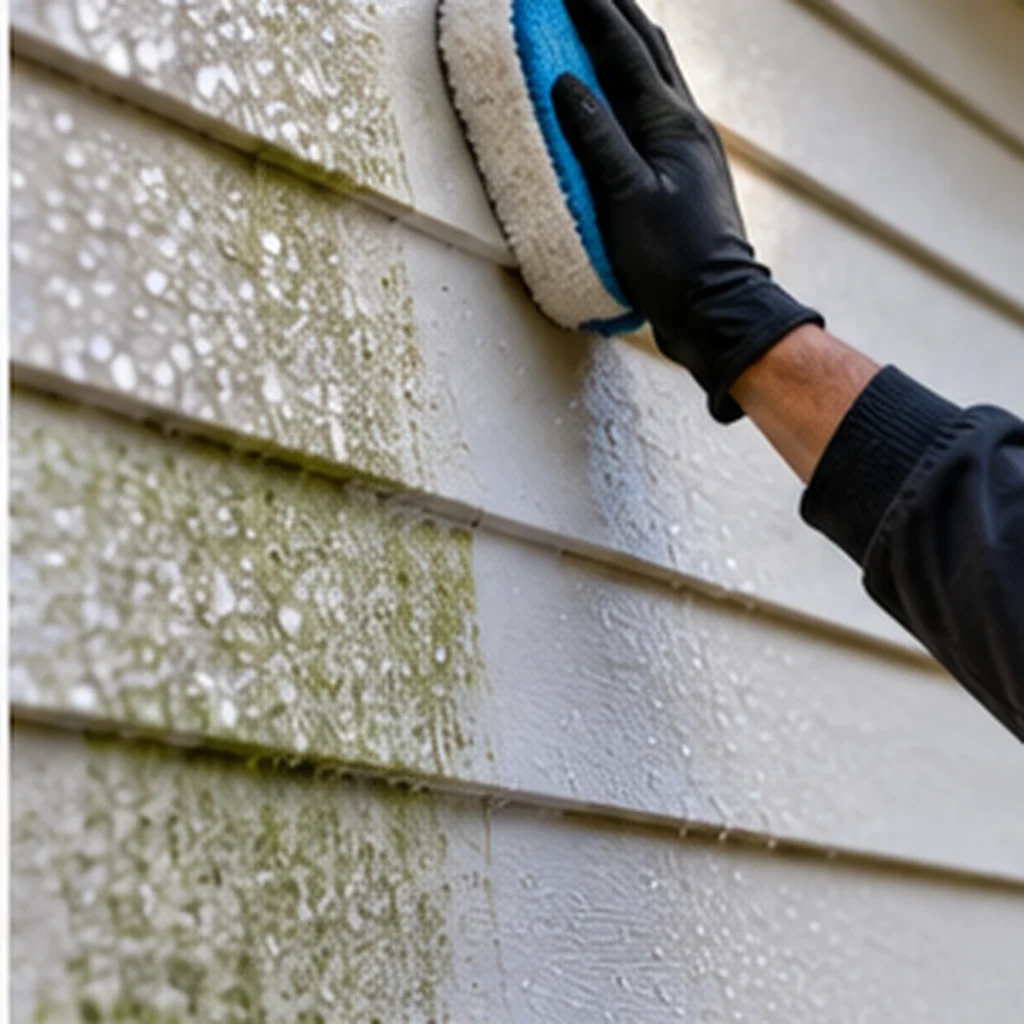
Siding maintenance depends on the material, finish, and installation system.
A basic maintenance routine can include:
- Inspecting siding after major storms
- Looking for cracks, loose panels, dents, or displacement
- Keeping drainage areas clear
- Checking visible flashing and trim
- Watching for moisture-related staining
- Cleaning according to the manufacturer’s recommendations
- Addressing damaged sections before water can reach vulnerable areas
- Maintaining nearby gutters and downspouts
Maintenance requirements can differ significantly between vinyl, steel, fiber cement, and shake siding. Following the product-specific care instructions is preferable to using one cleaning or maintenance method for every material.
Do You Need a Permit for Siding Installation in Bismarck?
Permit requirements depend on the project scope and applicable jurisdiction.
The City of Bismarck states that permits are required for certain new construction, alterations, repairs, additions, renovations, and remodeling work, and advises property owners to contact the Building Inspections Division when they are unsure whether a permit is required. Applications must be approved before a permit is issued.
Because siding projects can vary from a straightforward exterior replacement to broader wall alterations, the applicable permit requirements should be confirmed for the specific property before work begins.
How Do Siding, Windows, Soffit, Fascia, and Gutters Work Together?
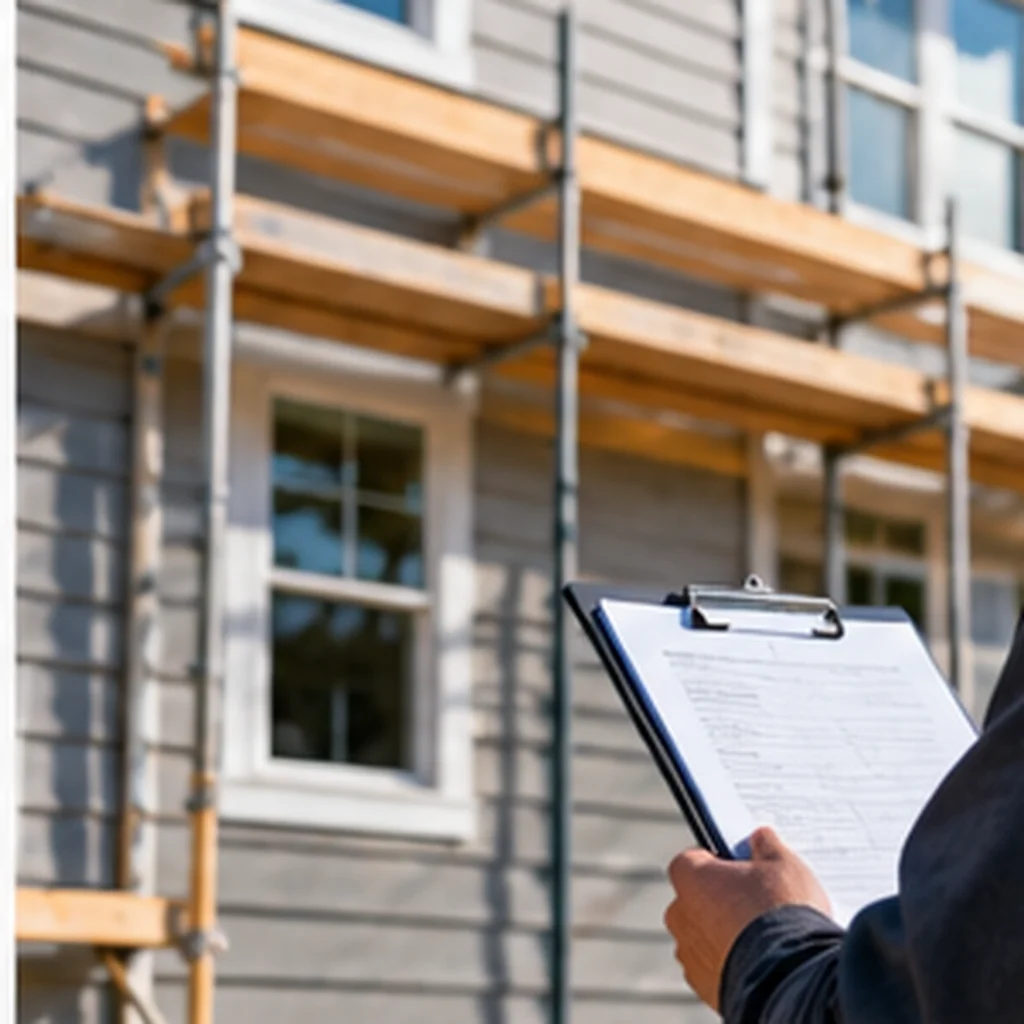
Exterior components should be planned as a connected system rather than as isolated upgrades.
Siding meets windows and doors, transitions around corners and trim, and works alongside soffit and fascia at the roof edge. Gutters also affect how water moves away from the roofline and siding.
When an exterior renovation involves multiple components, coordinating the work can help reduce conflicts between siding, window openings, trim, and drainage.
For properties where water management is part of the project, see our Gutter Installation in Bismarck, ND service.
If siding work is being coordinated with replacement windows, our Window Replacement in Bismarck, ND service can be reviewed as part of the broader exterior project.
Why Choose Rooftop Renovation for Siding Installation in Bismarck?
Rooftop Renovation & Exteriors is a family-owned, locally focused company serving Bismarck, Mandan, and surrounding communities. The company reports serving the Bismarck–Mandan region since 2016 and having more than 25 years of combined roofing and construction experience.
For siding projects, the focus is on evaluating the existing exterior, discussing material options, planning the installation details, and providing a clear project scope before work begins.
Rooftop Renovation currently identifies siding installation as part of its exterior improvement services and lists vinyl siding installation along with broader siding upgrades.
The company also provides related exterior services, which can be useful when siding work needs to coordinate with other parts of the property.
Frequently Asked Questions About Siding Installation
Cracks, warping, loose panels, widespread fading or deterioration, storm damage, recurring moisture problems, or extensive exterior wear can indicate that the siding needs professional evaluation.
Project timing varies according to property size, siding material, wall preparation, weather, accessibility, and whether existing siding needs to be removed.
Maintenance varies by product and finish. Vinyl and some metal siding systems are often selected for relatively low routine maintenance, but the specific product’s care requirements should be reviewed before making a decision.
Yes. Severe hail can crack, dent, chip, or otherwise damage siding depending on the material and impact. Storm-damaged siding should be inspected before deciding between localized repair and replacement.
Neither is universally better. Steel and vinyl have different characteristics, installation requirements, appearance options, maintenance considerations, and product specifications. The appropriate choice depends on the property and homeowner’s priorities.
Fiber cement can be used in cold climates when the selected product is appropriate and installed according to its requirements. Moisture management, flashing, joints, fastening, and installation details remain important.
Often, localized damage can be repaired when the surrounding siding remains sound and compatible replacement material is available. The extent of damage should be evaluated first.
Contact Rooftop Renovation to arrange an evaluation and discuss your siding goals. The project can then be scoped around the property’s existing condition, material selection, preparation requirements, and installation needs.
Get a Siding Installation Estimate in Bismarck, ND
If your siding is cracked, loose, damaged, outdated, or no longer meeting your property’s exterior needs, a professional evaluation can help you understand whether repair, replacement, or a new siding installation makes sense.
Rooftop Renovation & Exteriors can review your exterior, discuss siding options, explain the project requirements, and provide a property-specific estimate.
Request a Siding Installation Estimate in Bismarck, ND
Rooftop Renovation & Exteriors