
Roof Installation Services in Dickinson, ND
Rooftop Renovation & Exteriors provides roof installation services in Dickinson, North Dakota, for homeowners and commercial property owners planning a new roofing system or replacing an existing roof. From asphalt shingles and metal roofing to flat and low-slope systems, the right installation depends on the building’s design, roof configuration, material requirements, and project budget.
A properly planned roofing project involves more than choosing the visible roof covering. Consider the roof deck, underlayment, flashing, drainage, and other supporting components alongside the selected material. Understanding these details before work begins helps establish an appropriate installation scope and makes it easier to compare roofing options.
Whether you are building a new property or considering a replacement for an aging roof, request an estimate to discuss your project requirements and available roofing options.
Rooftop Renovation & Exteriors

Professional Roof Installation for Dickinson Properties
A new roofing system should suit the building it protects. Residential properties often require careful consideration of appearance, roof slope, ventilation, and maintenance, while commercial buildings may have additional requirements involving drainage, equipment penetrations, and operational access.
For properties in Dickinson, the installation plan should also account for seasonal exposure to wind, snow, hail, precipitation, and changing temperatures. The appropriate roofing system depends on the actual structure and the product specifications rather than a single solution applied to every building.
New Construction Roof Installation
New construction provides an opportunity to coordinate the roofing system with the building design before installation begins. Roof pitch, drainage paths, structural requirements, roof penetrations, and material selection all influence the planned assembly. The roofing scope should identify the principal materials and components required for the project, including underlayment, flashing, roof-edge details, and ventilation components where applicable. These decisions should be coordinated with the broader construction plan so that roofing requirements are addressed at the appropriate stage.
Roof Replacement and Installation Upgrades
Roof replacement involves installing a new roofing system on an existing property. Depending on the roof's condition and the agreed scope, the work may include removing existing materials, checking accessible decking, addressing identified damage, and preparing the surface for the new roof. Replacement may be appropriate when deterioration or damage affects a substantial part of the system, or when continued repairs are no longer practical. However, one isolated leak or a small area of damaged shingles does not automatically require a complete replacement. The decision should reflect the condition of the existing roof and the feasibility of repairing it.
Residential and Commercial Roofing
Residential roof installation focuses on a home's roof design, material preferences, weather exposure, and maintenance requirements. The selected system should complement the building while meeting the relevant product and installation requirements. Commercial roof installation can involve different considerations, particularly on flat and low-slope buildings. Drainage, membrane transitions, roof penetrations, rooftop equipment, access, and the property's operational needs may affect the installation scope.
Rooftop Renovation & Exteriors provides residential and commercial roofing options. The appropriate approach should be determined by the property’s intended use, roof configuration, and project requirements.
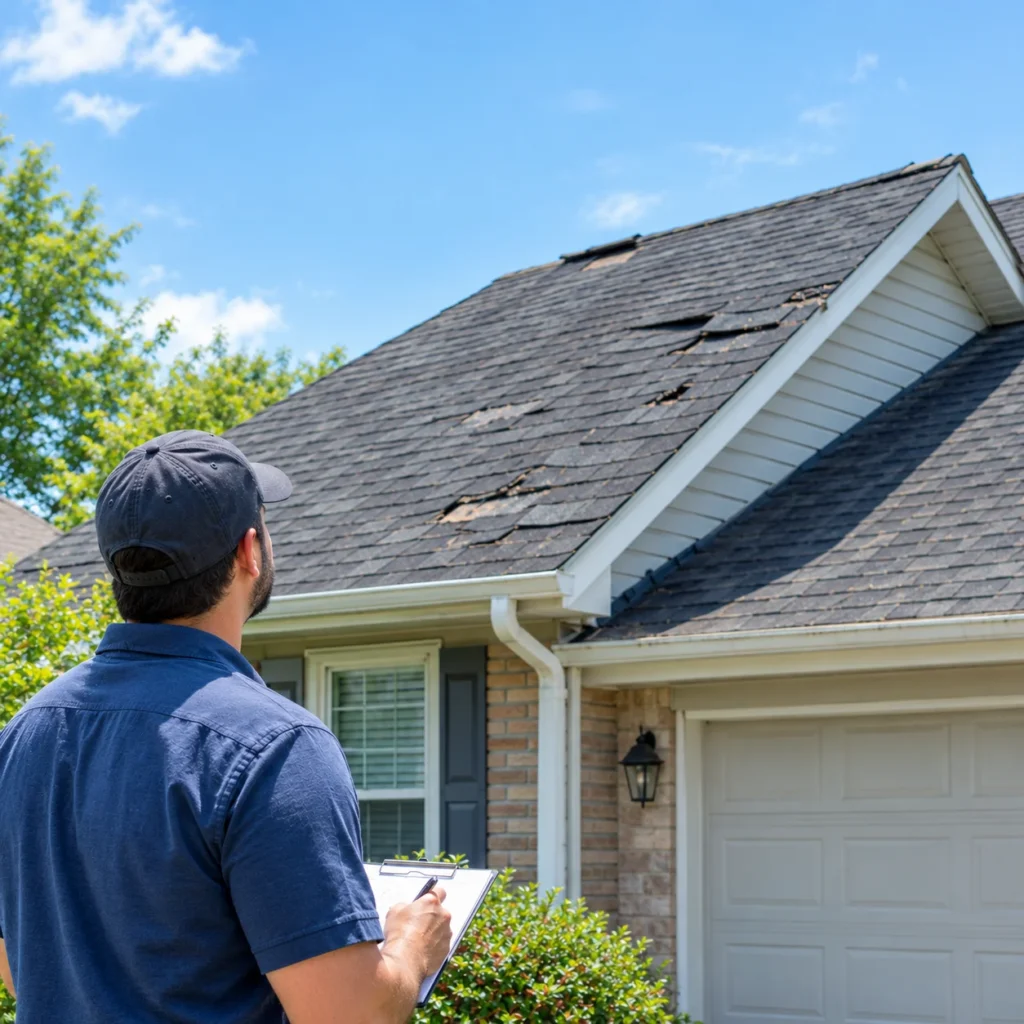
Signs Your Property May Need a New Roof
Roof age alone does not establish whether replacement is necessary. Material condition, previous repairs, damage extent, and the state of the supporting components all influence the decision.
Warning signs that may warrant further evaluation include:
- Cracked, curling, or missing shingles: These conditions may indicate material deterioration or damage that requires assessment.
- Recurring leaks or interior water stains: Repeated moisture problems can indicate an unresolved roofing defect.
- Visible roofline changes or suspected decking damage: These conditions may warrant further assessment by an appropriately qualified professional.
- Moisture in accessible attic areas: Moisture may be associated with roof leakage, condensation, or another building condition.
- Widespread material deterioration: Extensive damage may make replacement worth considering rather than continuing localized repairs.
These signs do not independently prove that a complete replacement is required. A property-specific assessment can help determine whether repair, further investigation, or a new roofing system is the more appropriate next step.
If the condition of your existing roof is uncertain, consider our roof inspection services before making a replacement decision.
Roofing Materials Available for Dickinson Projects
Roofing materials differ in appearance, installation methods, maintenance requirements, and product specifications. Choosing a suitable system involves balancing these characteristics with the building’s design, budget, and expected exposure.
Asphalt Shingles
Asphalt shingles are a common option for residential roofs and are available in a range of colors, styles, and product specifications. Their suitability depends on the roof design, the selected product, and the installation requirements. When comparing shingle options, consider the product's documented characteristics, compatible underlayment, fastening requirements, and applicable wind or impact ratings. These details provide a more useful basis for selection than appearance or purchase price alone.
Architectural Shingles
Architectural shingles provide a dimensional appearance that differs from traditional three-tab shingles. Product specifications, thickness, construction, and performance characteristics vary by manufacturer and product line. The choice should account for the home's design, the desired appearance, the applicable installation instructions, and the available warranty terms. A product's rating or advertised performance should not be treated as a guarantee against every form of weather damage.
Metal and Standing-Seam Roofing
Metal roofing is an option for suitable residential and commercial applications. Standing-seam systems use raised seams between panels and require installation details that account for fastening, flashing, panel connections, and temperature-related movement. Roof configuration, supporting structure, panel specifications, and the intended appearance all influence system selection. Metal roofing should not be assumed to eliminate every snow, ice, or moisture-related concern on every property.
Flat and Low-Slope Roofing Systems
Flat and low-slope roofs may require membrane systems rather than conventional shingles. EPDM and TPO are two options used in suitable applications, but they differ in material characteristics and installation requirements. The selected system should be compatible with the roof's configuration and intended use. Seams, penetrations, flashing, drainage points, and rooftop equipment transitions need appropriate detailing to manage water and maintain continuity across the roofing assembly.
Impact-Resistant Roofing Options
Impact-resistant shingles may be worth considering when hail exposure is an important factor in material selection. Products vary in documented impact classifications, installation specifications, cost, and warranty conditions. An impact-resistant rating does not mean the roof is hailproof. The appropriate choice depends on the building, the product's documented characteristics, and the project requirements.
Roof Installation and Related Property Services in Dickinson
Alongside roof installation in Dickinson, Rooftop Renovation & Exteriors offers roofing, exterior improvement, building, and remodeling services for residential and commercial properties. Whether you are planning new construction, upgrading an existing roof, or improving other parts of your property, exploring these options helps you identify services that fit your project goals.
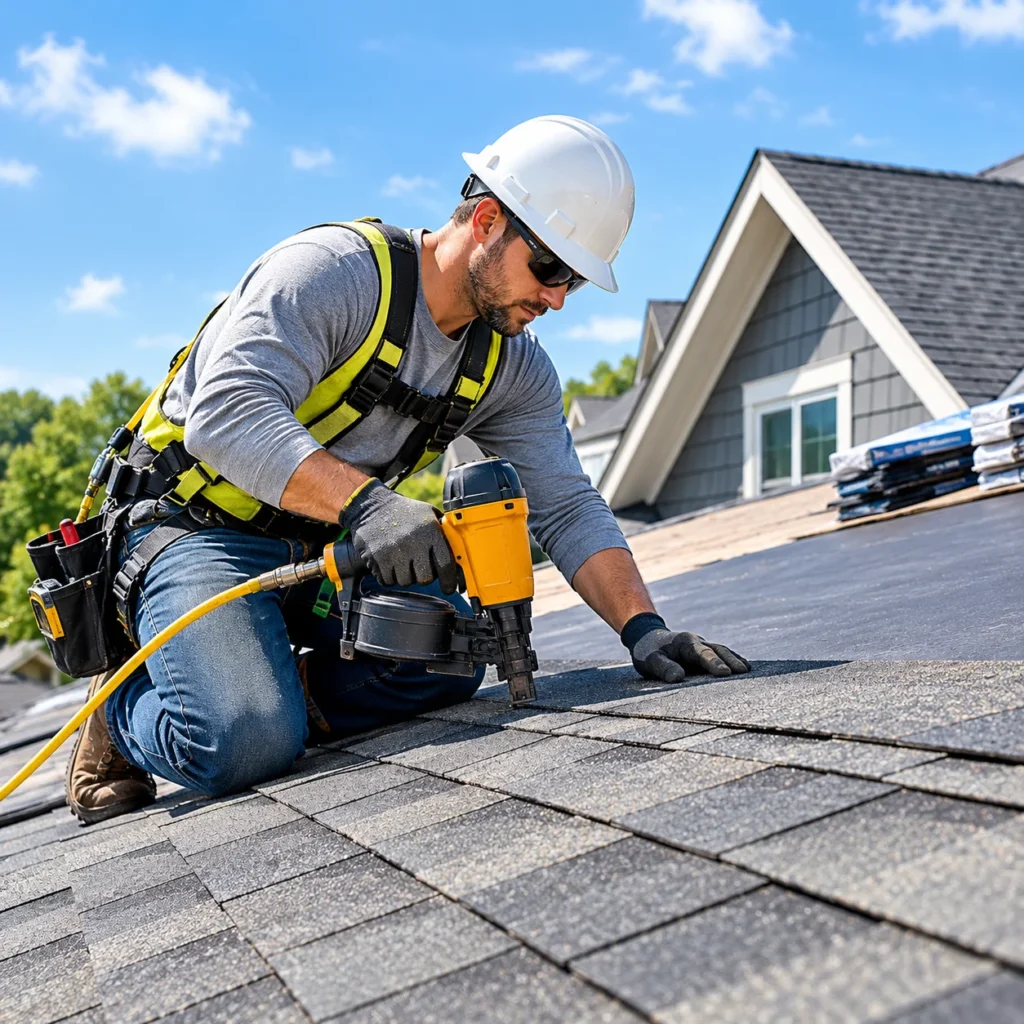
Roofing
Roofing services help property owners plan, maintain, and improve roofing systems according to the building's design and requirements. From choosing a suitable roof covering to addressing existing concerns, the right approach considers material compatibility, drainage, flashing, and the property's exposure to Dickinson's seasonal weather.
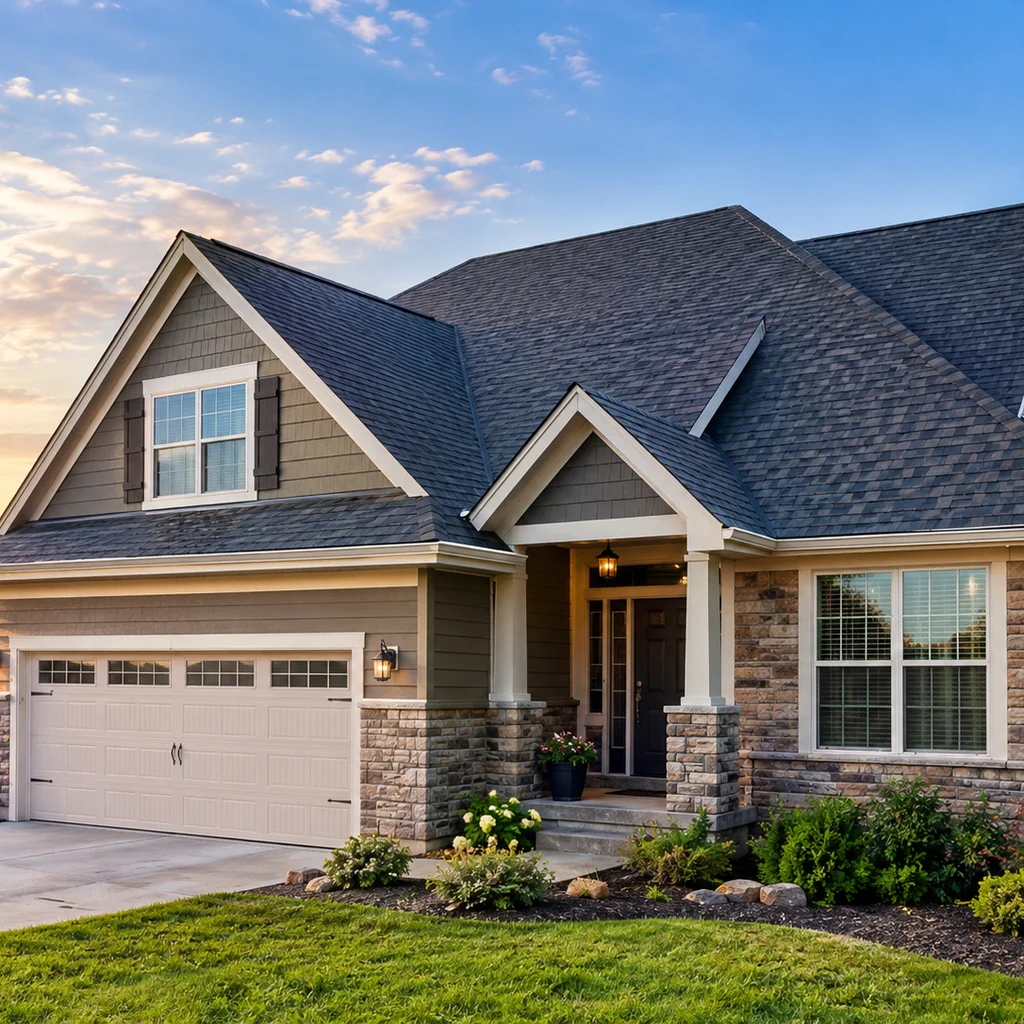
Residential Roofing
Residential roofing helps homeowners select and maintain roof systems that suit their home's appearance, structure, and practical needs. Comparing material options, roof pitch, ventilation requirements, and maintenance expectations helps establish a suitable approach for a new installation or an upgrade to an existing residential roof.
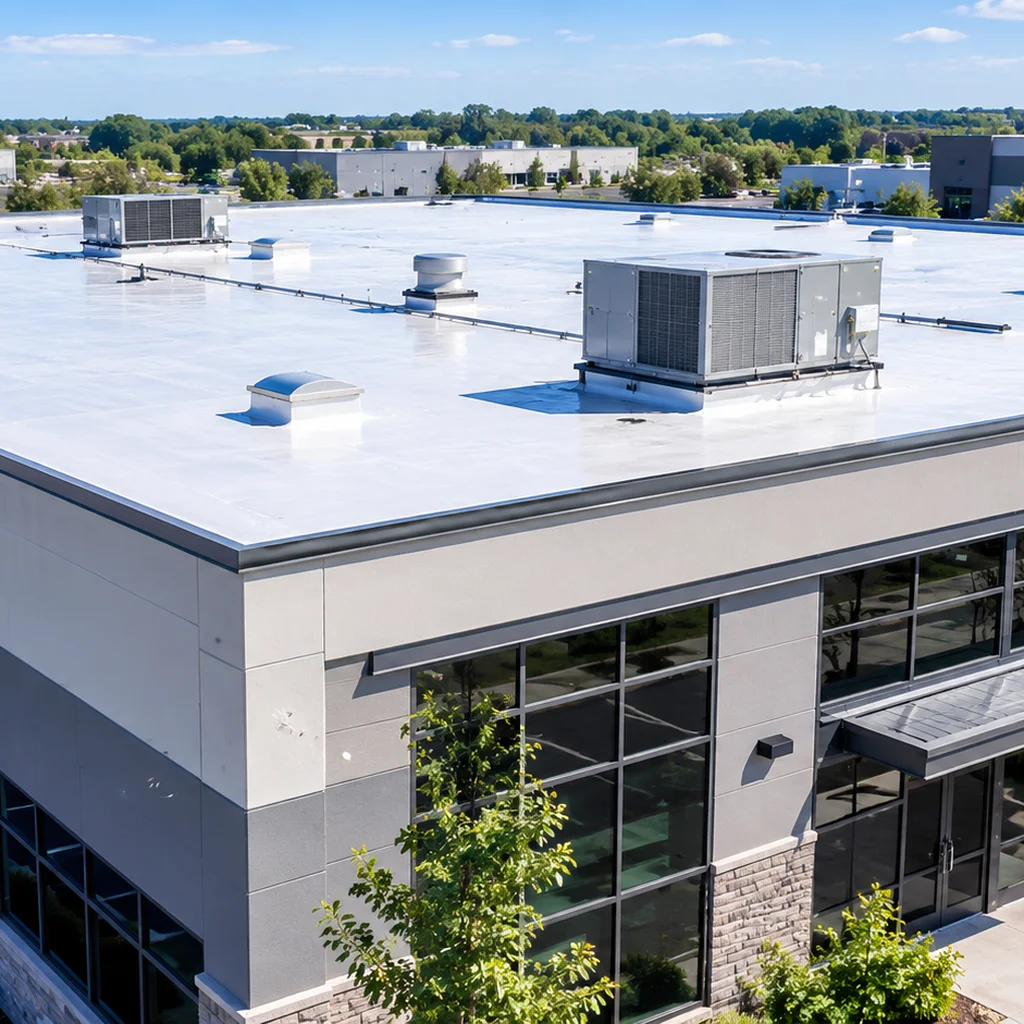
Commercial Roofing
Commercial roofing addresses the requirements of offices, retail buildings, workshops, and other business properties. The building's use, roof configuration, drainage arrangements, and rooftop equipment influence material selection and installation planning, helping property owners establish a scope that matches their commercial facility.
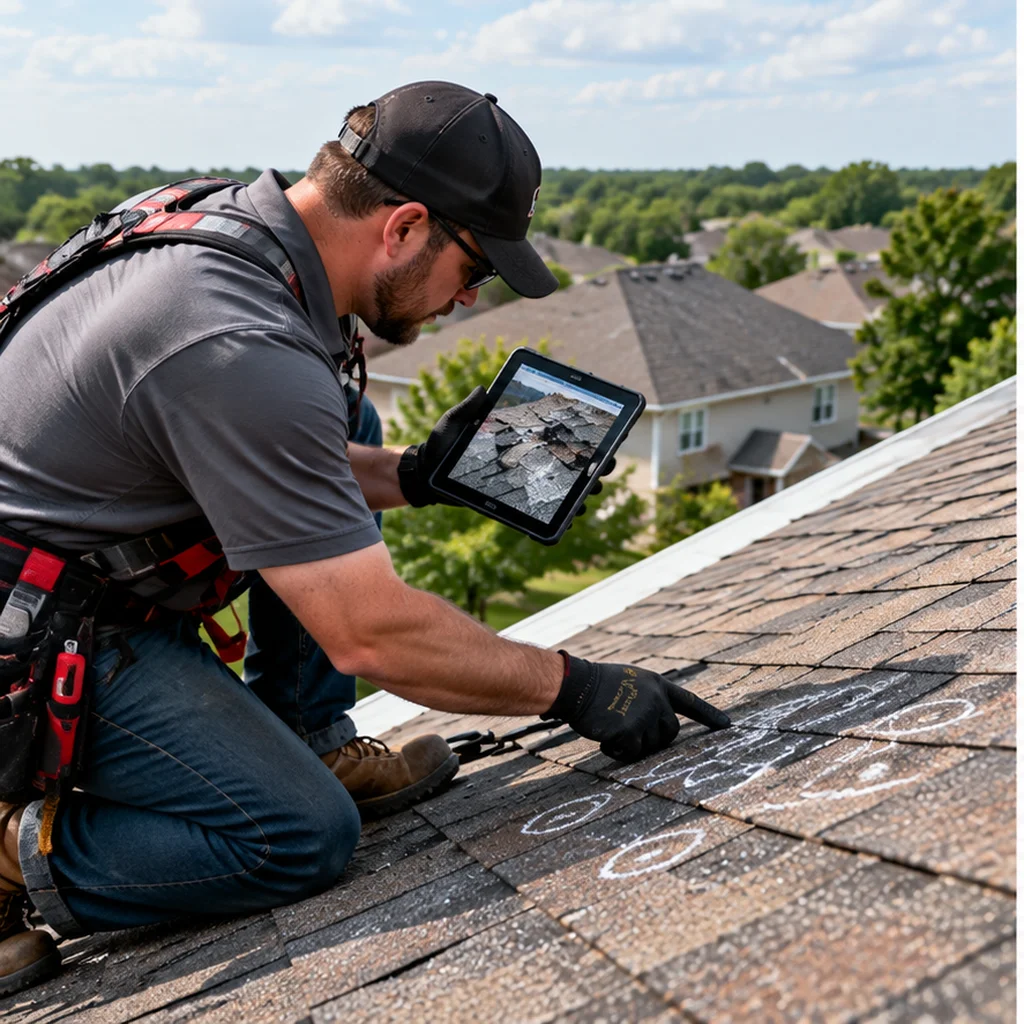
Roof Inspection
A roof inspection helps assess the observable condition of an existing roof before installation or replacement decisions are made. Reviewing accessible materials, flashing, drainage, and visible deterioration can reveal concerns that deserve attention before new roofing work begins. Learn more about our roof inspection services in Dickinson.
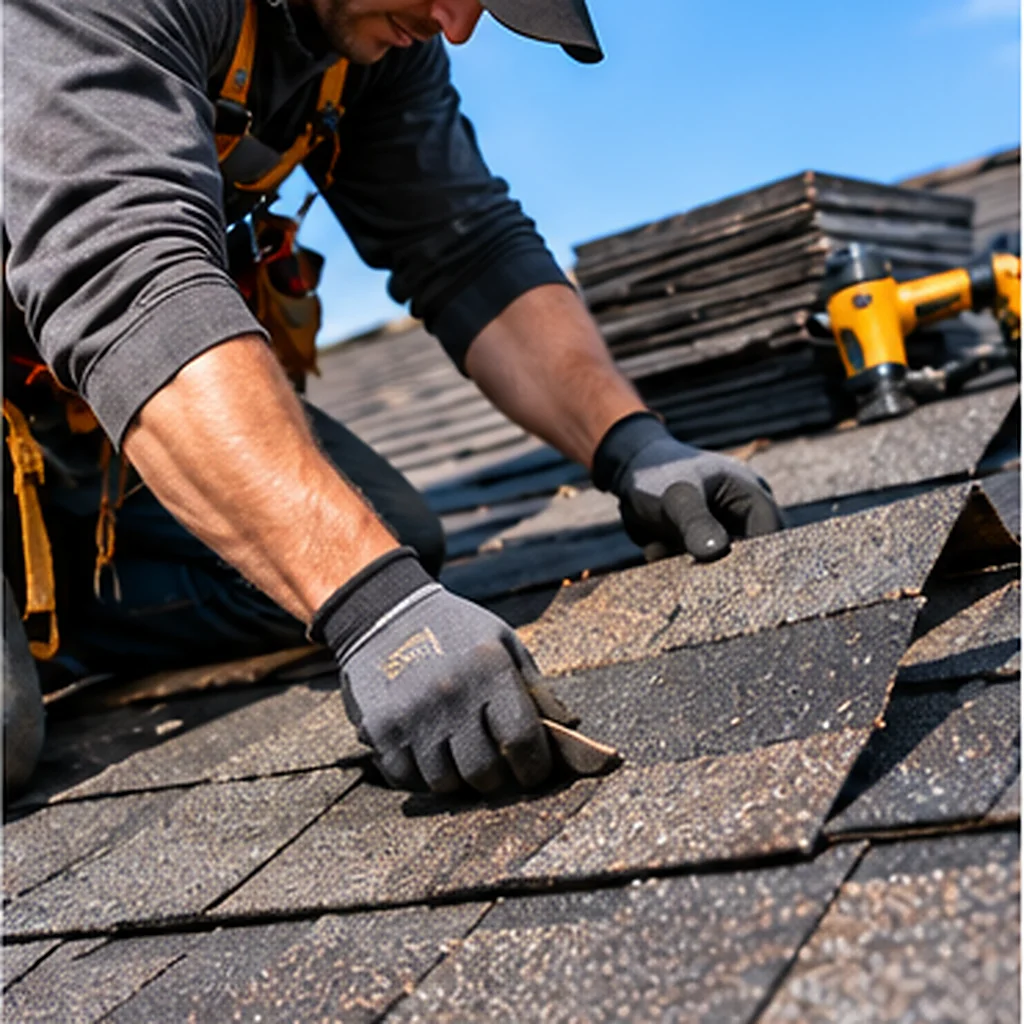
Roof Repair
Roof repair addresses localized problems such as leaking areas, damaged shingles, deteriorated flashing, and displaced roofing components. Evaluating the source of the damage and the condition of surrounding materials helps determine whether a targeted repair is appropriate or whether a broader roofing project should be considered.
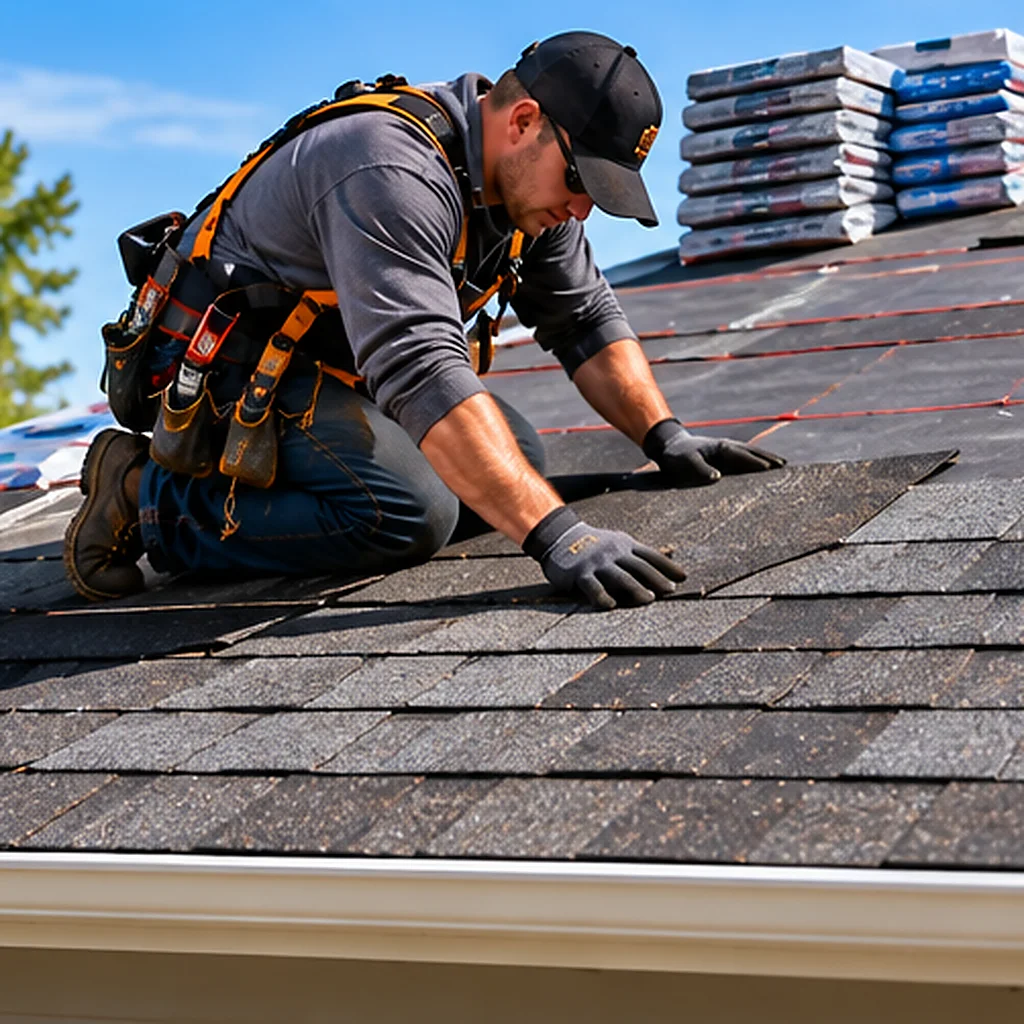
Roof Installation
Roof installation involves fitting a roofing system that matches the building's design, selected materials, and structural requirements. Proper planning includes the roof deck, underlayment, flashing, fastening, and drainage details, helping establish a clear scope for new construction or the installation of a replacement roofing system.
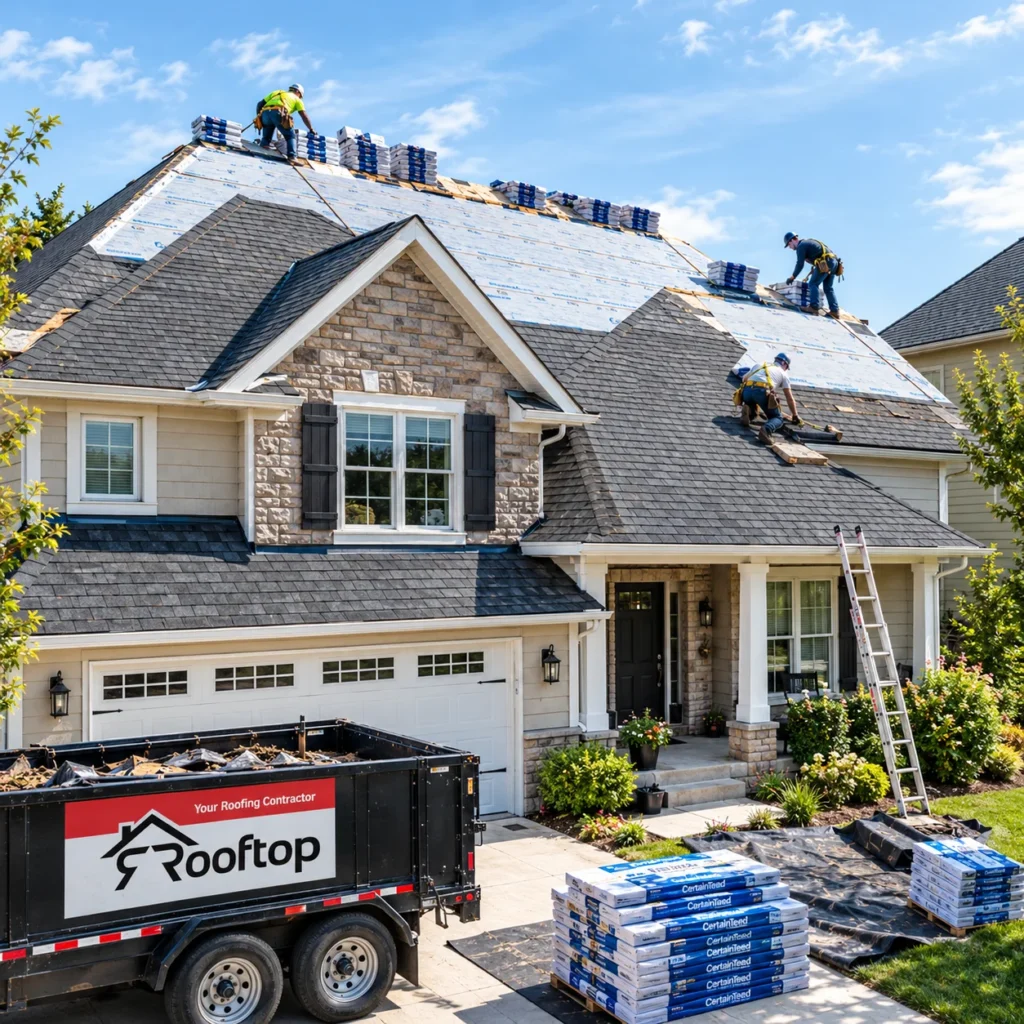
Roof Replacement
Roof replacement provides an opportunity to update an existing roofing system when deterioration, recurring leaks, or extensive damage makes a new roof worth considering. Reviewing the current materials, supporting components, and preparation requirements helps property owners understand the work involved before comparing replacement options and estimates.
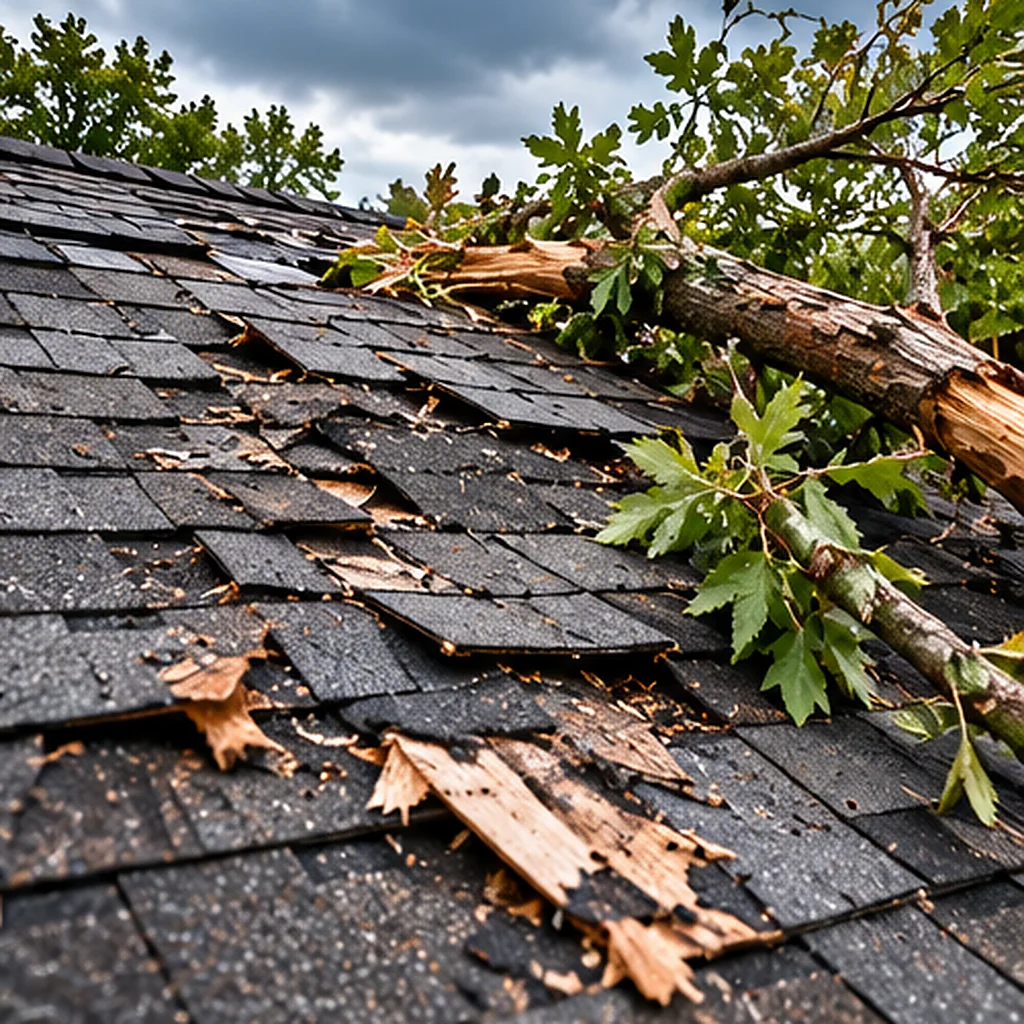
Storm and Hail Damage Restoration
Storm and hail damage restoration addresses roofing and exterior components affected by severe weather. Damaged shingles, displaced panels, compromised flashing, and other visible concerns may require evaluation before appropriate repairs or replacement are planned. Understanding the extent of the damage helps establish a more suitable restoration scope for the property.
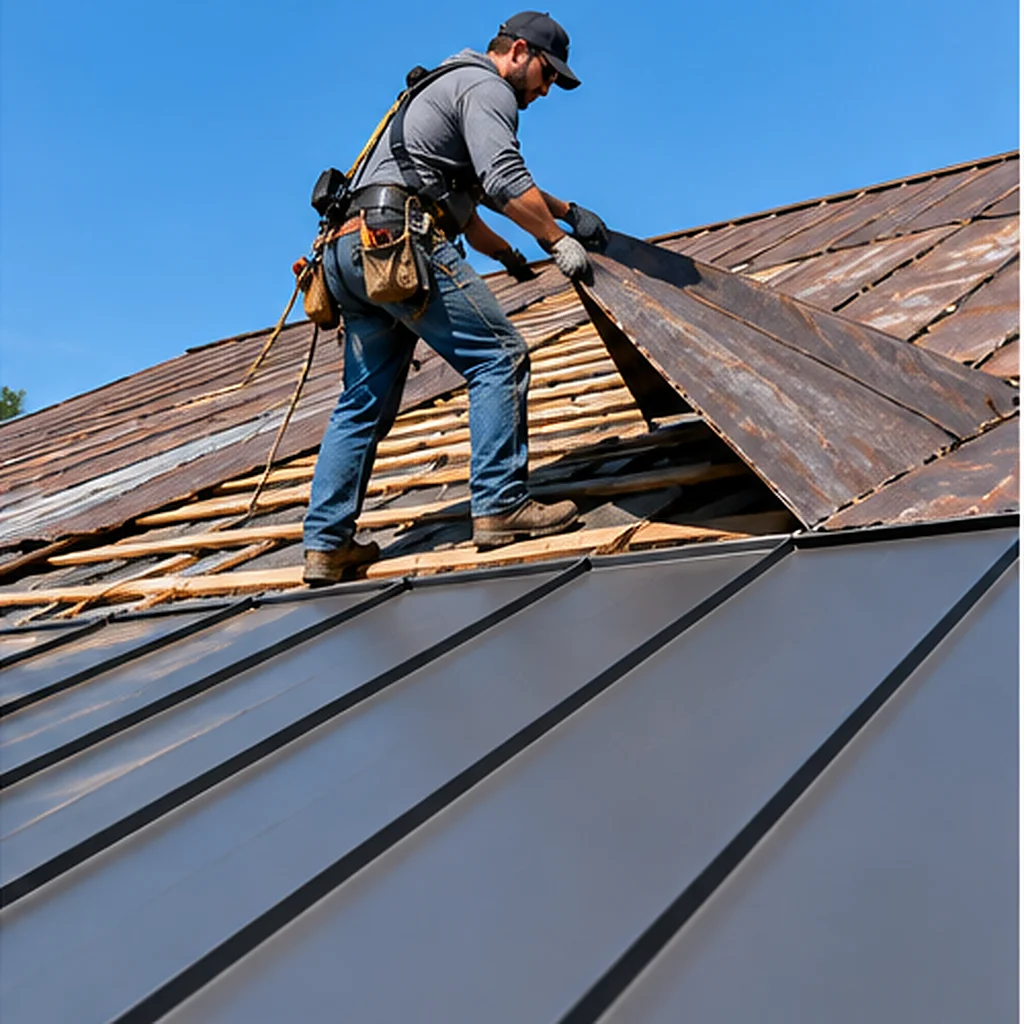
Standing Seam
Standing seam roofing features raised seams that connect metal panels, often with concealed fasteners. This system can suit selected residential and commercial designs, but roof slope, panel specifications, flashing, and material movement requirements should be considered together when planning an installation for a Dickinson property.
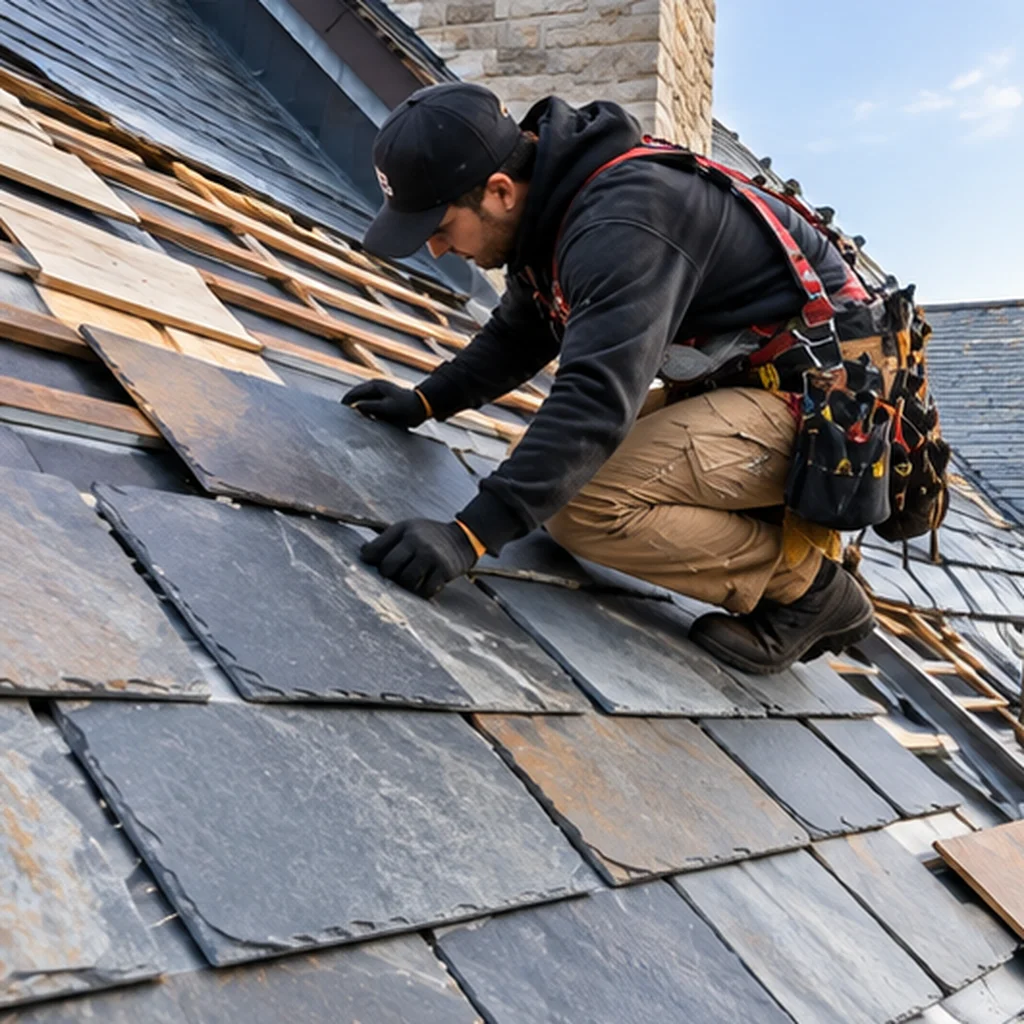
Slate Roof
Slate roofing offers a natural stone appearance for properties suited to this distinctive material. Before selecting slate, consider its weight, structural support requirements, roof pitch, and installation details. These factors help determine whether the proposed roofing system is compatible with the building and its intended architectural design.
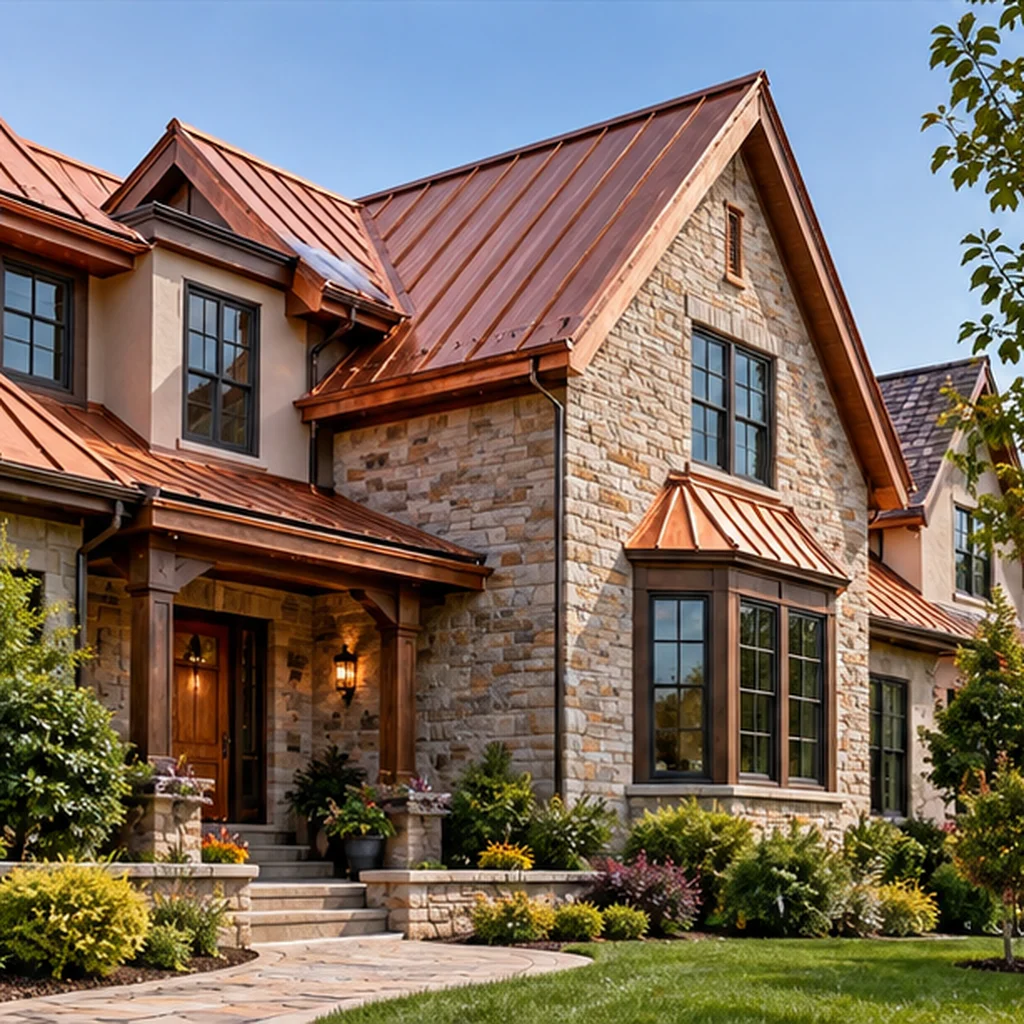
Copper Roof
Copper roofing creates a distinctive metal finish that can complement particular architectural styles. Planning involves choosing suitable components and coordinating joints, flashing, and transitions with the surrounding roof assembly. Careful material selection helps property owners evaluate whether copper roofing fits their building design and overall project requirements.
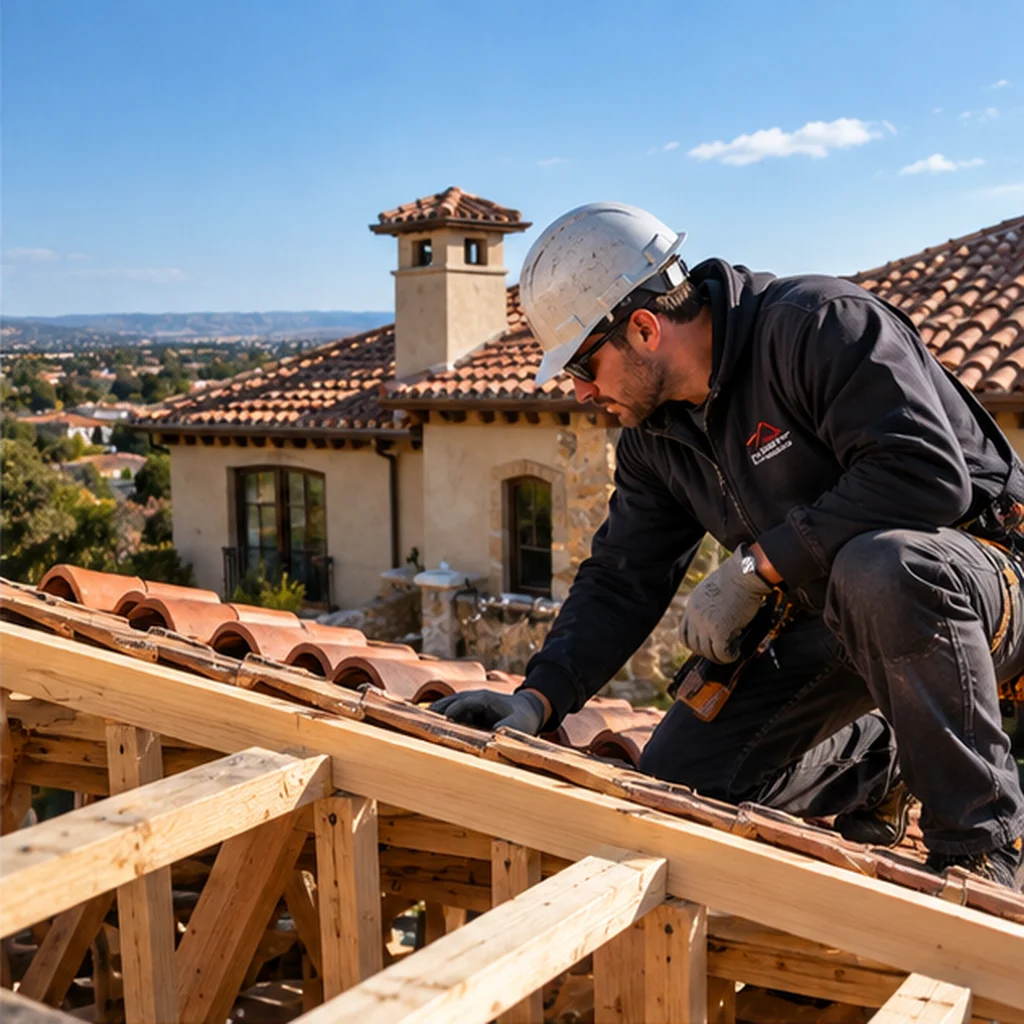
Barrel/Spanish Tile Roof
Barrel and Spanish tile roofing creates a curved profile that adds a distinctive architectural appearance. The roof structure, tile weight, pitch, and product-specific installation requirements all influence suitability, making it important to evaluate these factors before incorporating tile roofing into a new construction or replacement project.
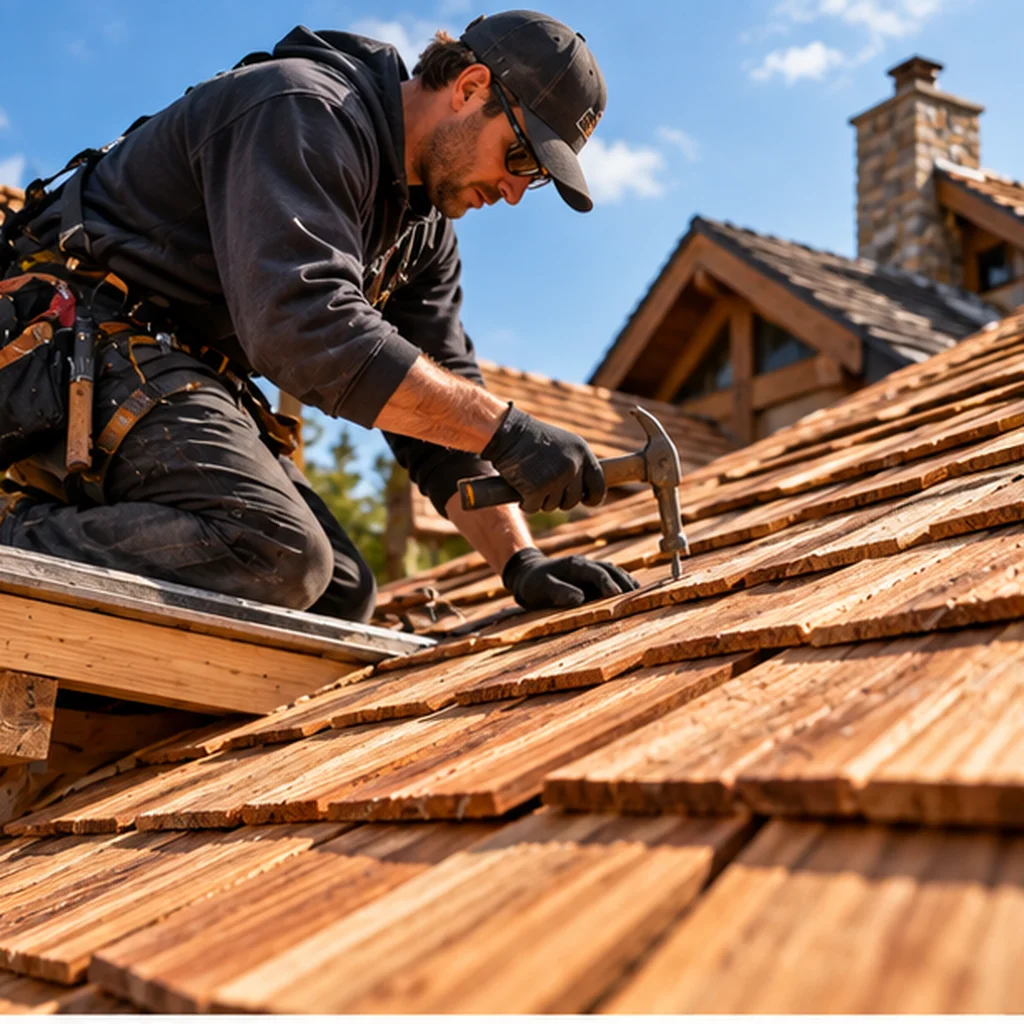
Cedar Shake Roof
Cedar shake roofing provides a natural wood appearance for properties suited to this style. Material specifications, weather exposure, roof configuration, maintenance expectations, and applicable fire-related considerations should all inform the selection process, helping homeowners decide whether cedar shakes are appropriate for their roofing plans.
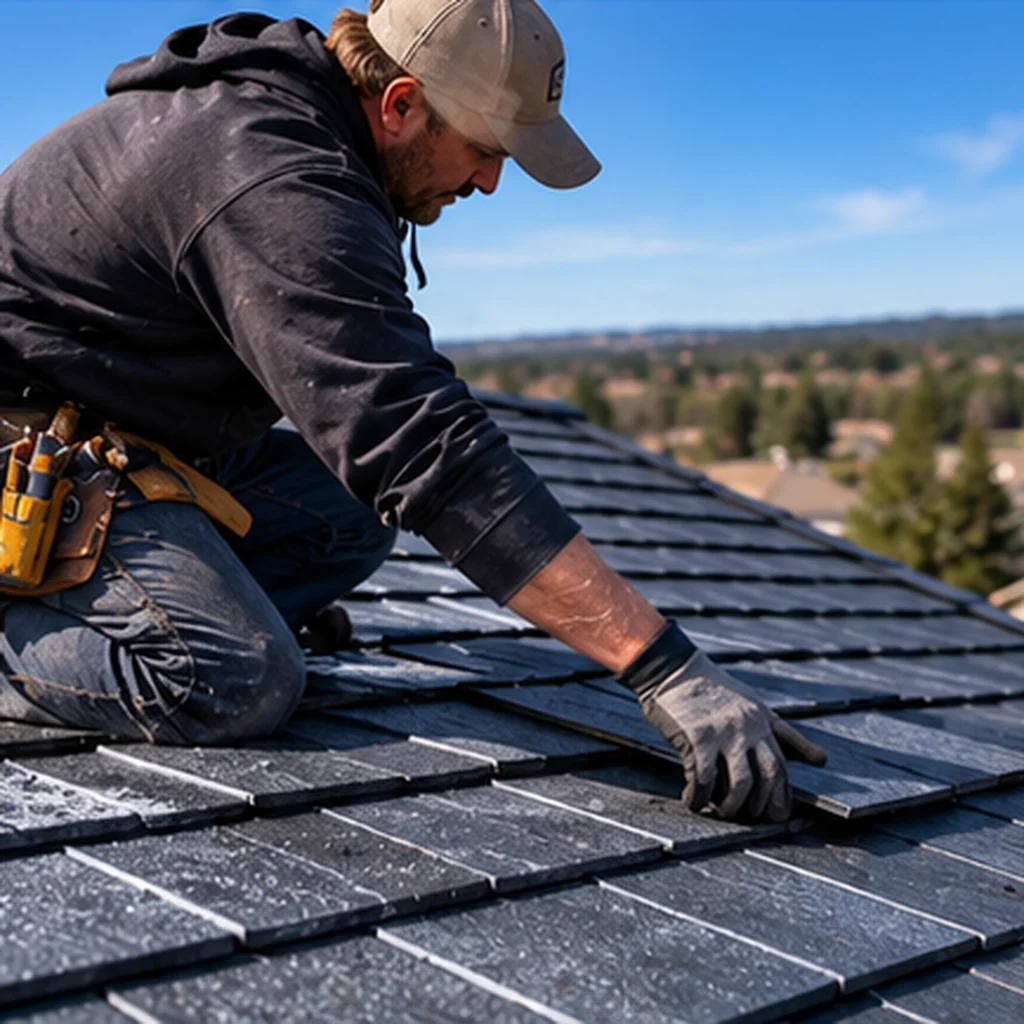
Steel Shingle Roof
Steel shingle roofing combines metal construction with a traditional shingle-style appearance. When evaluating this option, compare available profiles, fastening requirements, flashing details, and compatibility with the roof design to determine whether the selected system fits the building's appearance and installation requirements.
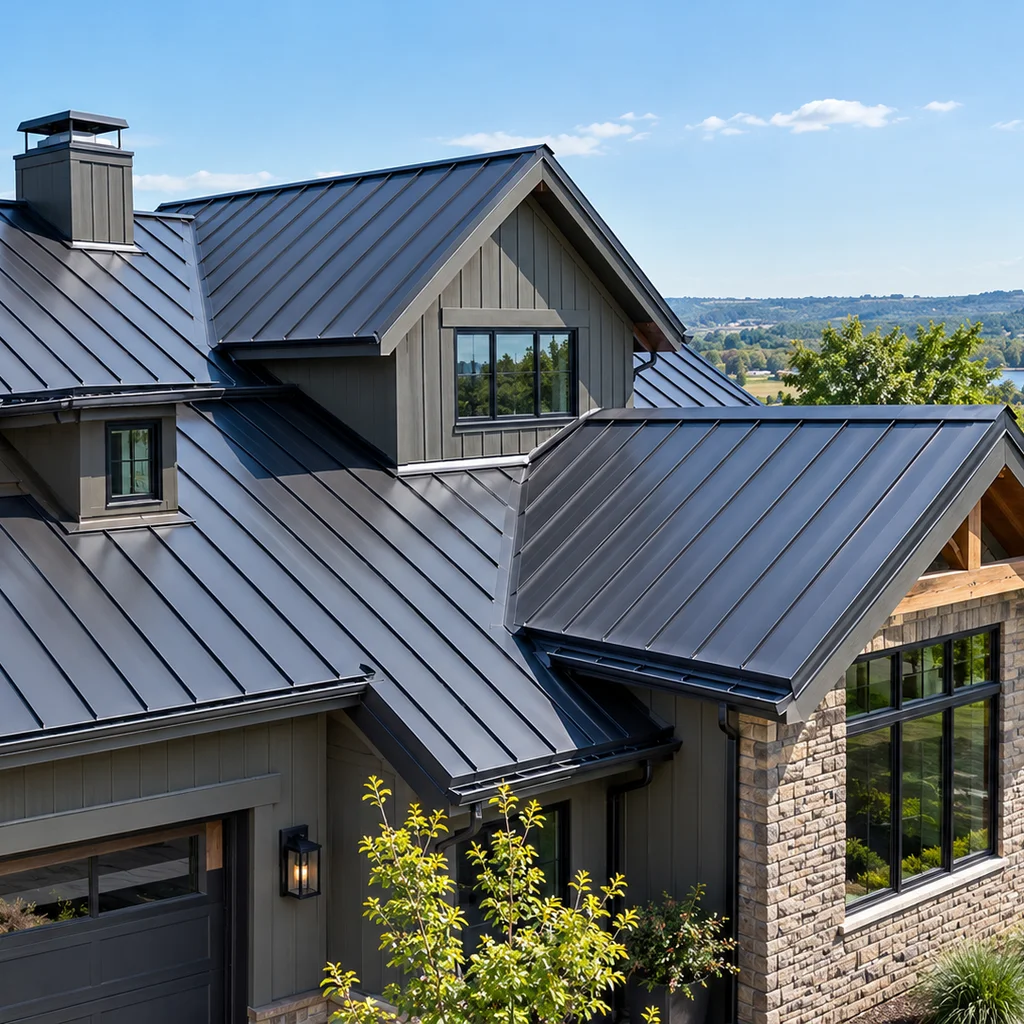
Metal and Steel Roofing
Metal and steel roofing systems offer different panel designs and configurations for suitable residential and commercial projects. Choosing an appropriate system involves considering roof slope, structural support, panel connections, flashing, and drainage so the selected materials work with the building's design and intended use.
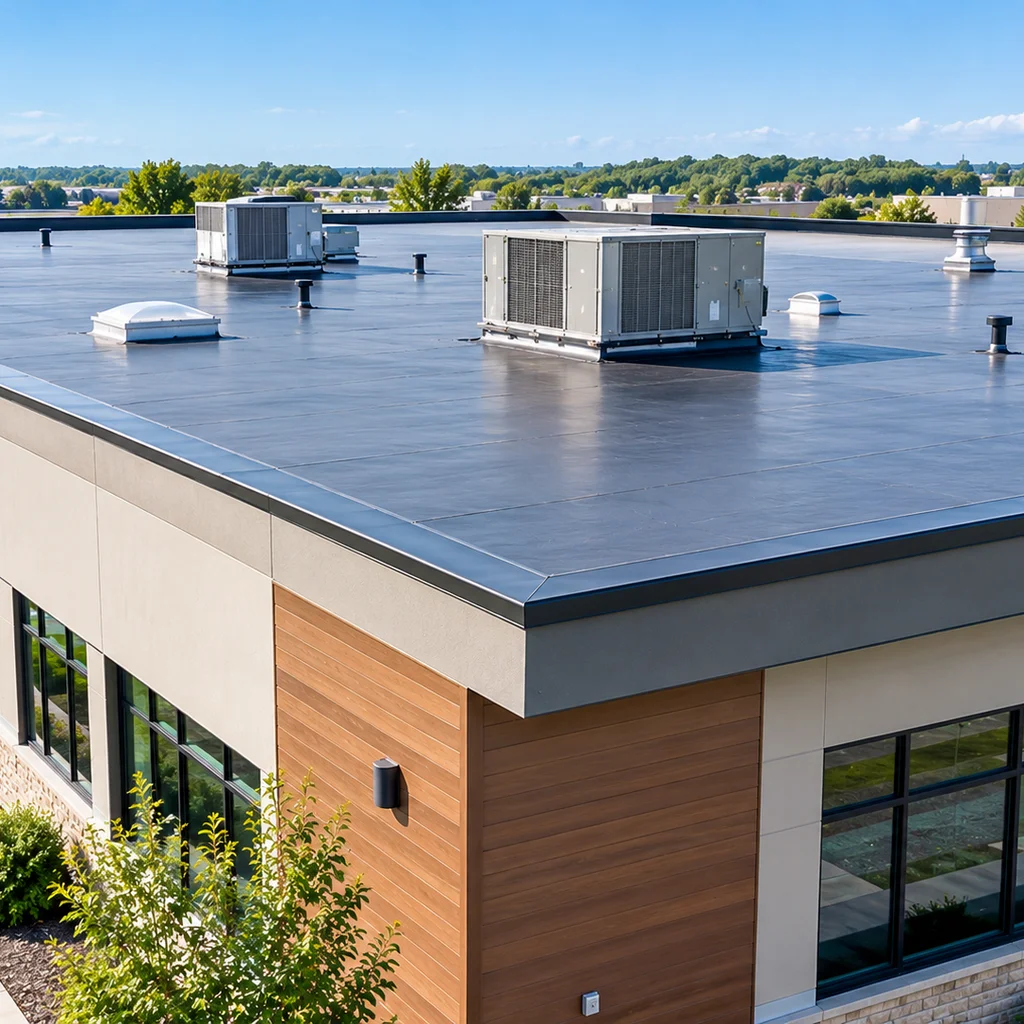
Flat and Low-Slope Roofing
Flat and low-slope roofing requires careful coordination of the roofing membrane, seams, flashing, penetrations, and drainage. EPDM, TPO, and modified bitumen have different material characteristics and installation requirements, so the appropriate system depends on the roof configuration, building use, and product specifications.
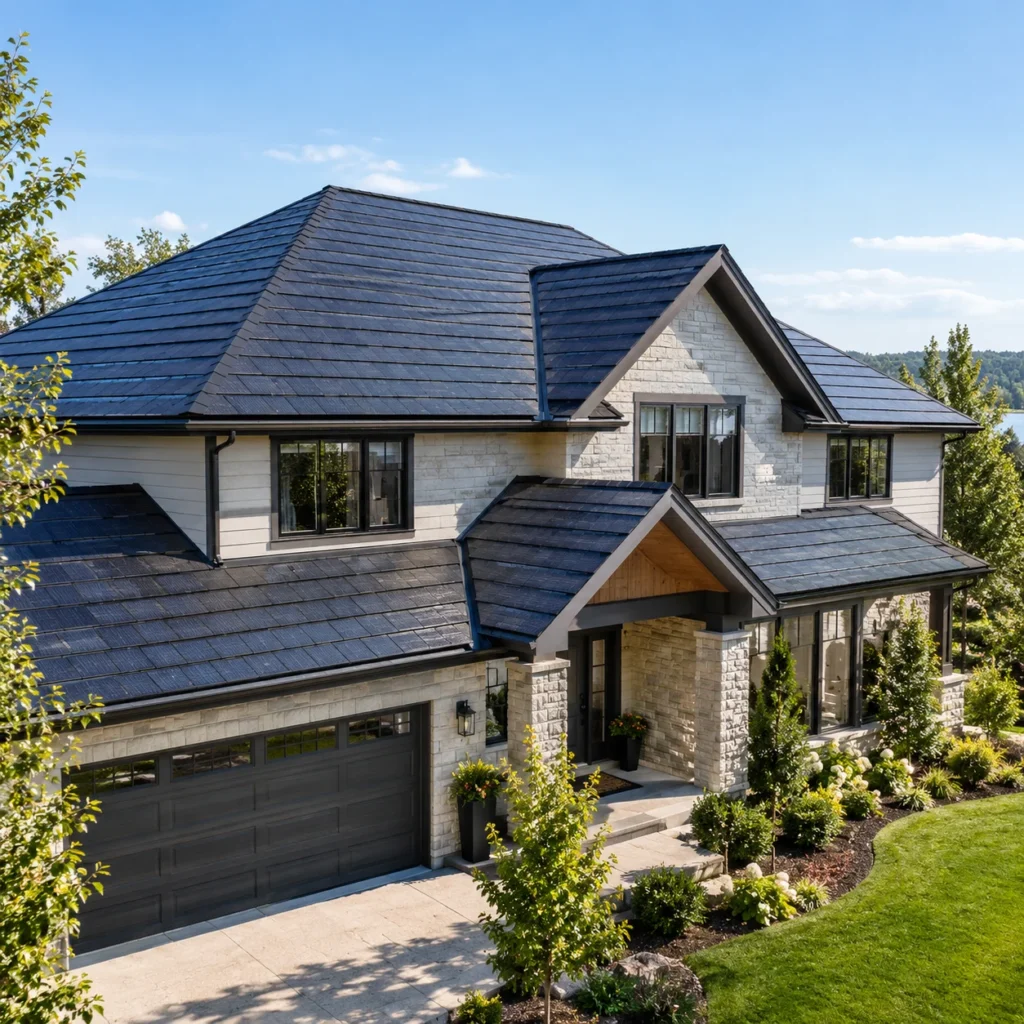
Solar Roof Shingles
Solar roof shingles combine roofing materials with solar-electric functionality in compatible systems. Before considering this option, evaluate roof orientation, structural suitability, product requirements, and electrical coordination to understand whether solar-integrated roofing is appropriate for the proposed building and its intended use.
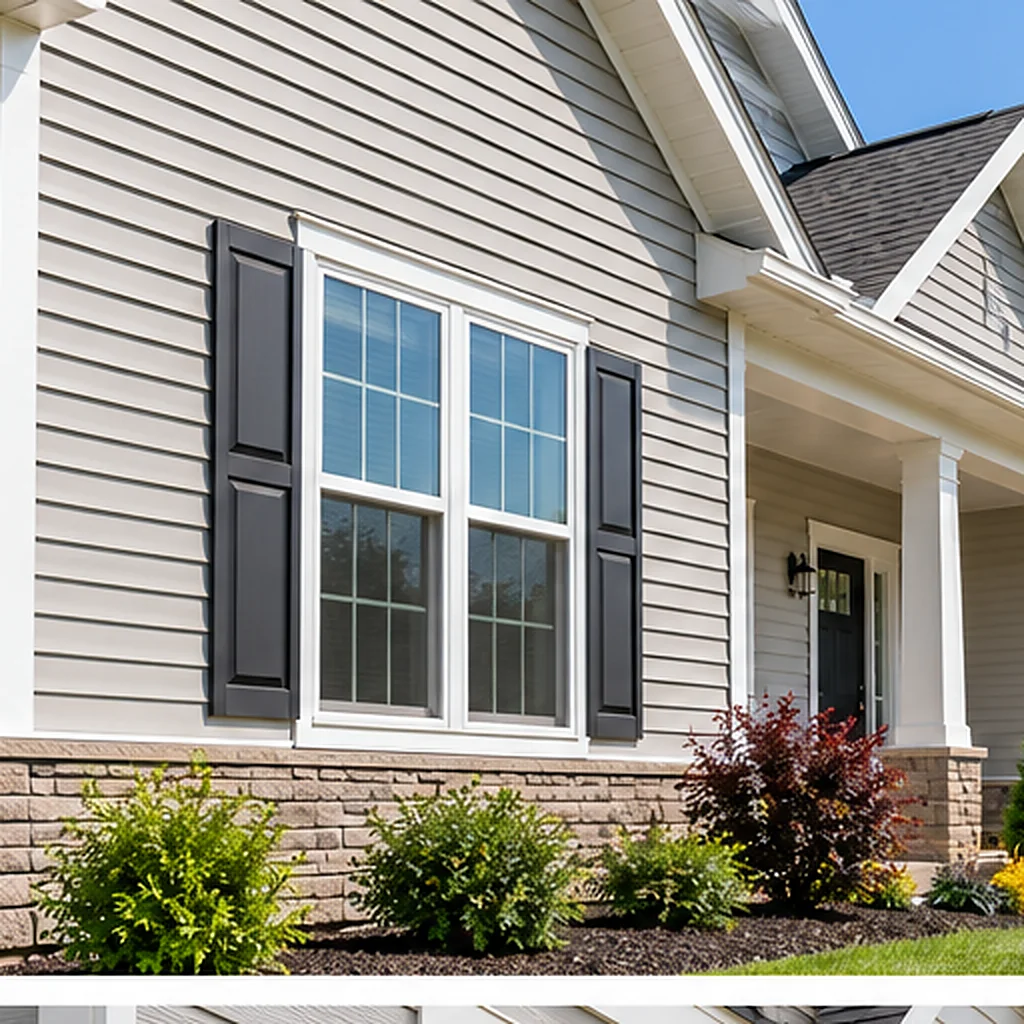
Siding
Siding Siding services help property owners select exterior wall finishes that complement a new roof or an existing building design. Material selection, panel profiles, trim, and transitions around windows and doors all influence the final result, making coordination important when planning wider exterior improvements.
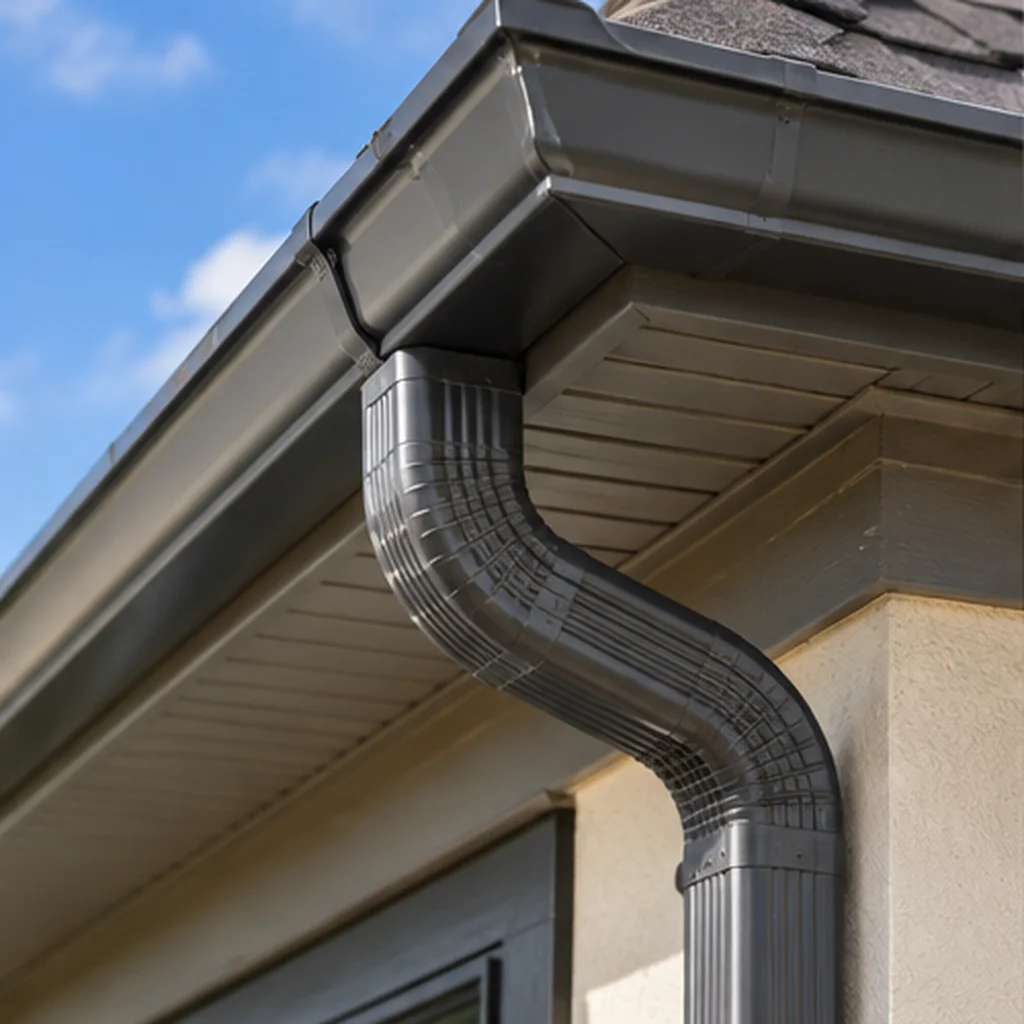
Gutter
Gutter systems collect roof runoff and direct water toward suitable discharge points. When planning a new roof or updating an existing one, gutter placement, downspout routing, roof edges, and surrounding drainage conditions should be considered together to establish an appropriate approach to managing water around the property.
Window Replacement
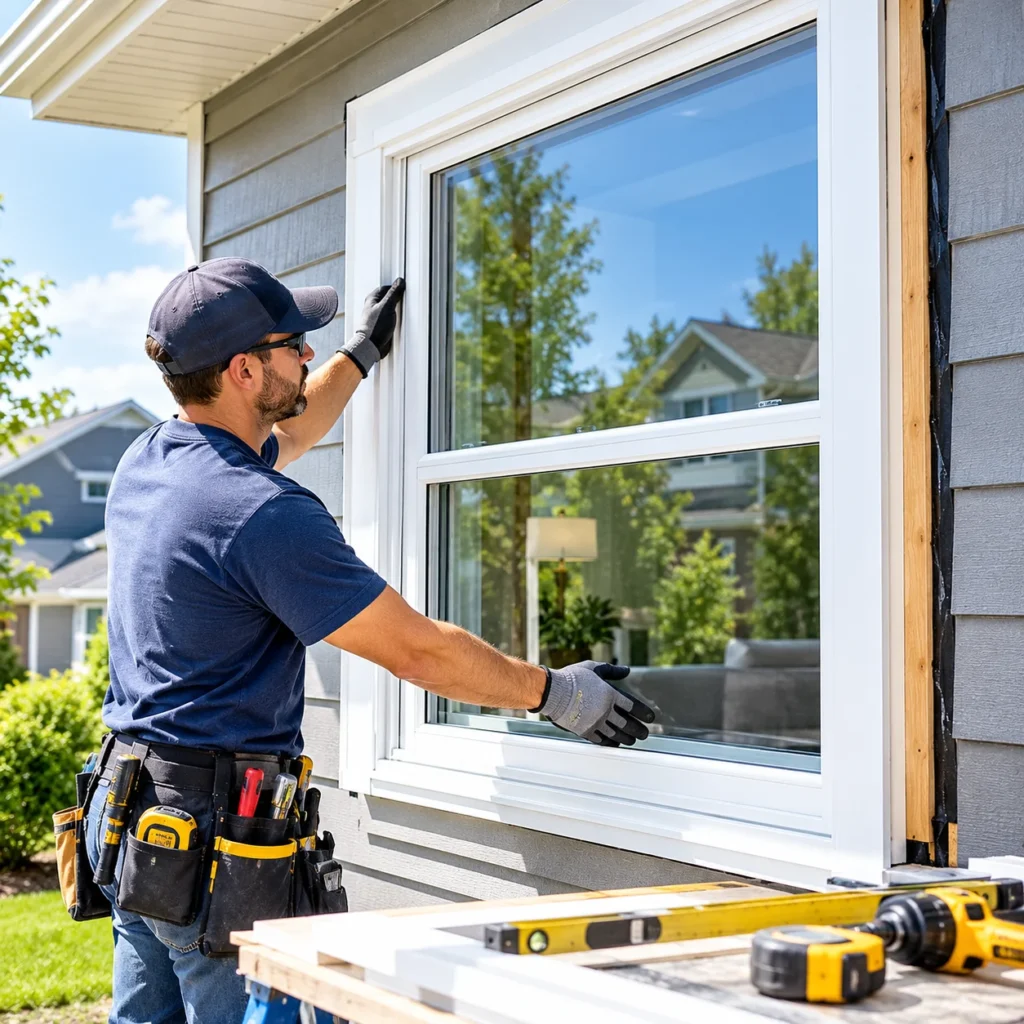
Window replacement updates existing openings with units suited to the building's dimensions, design, and requirements. Proper measurements, frame compatibility, flashing, and exterior trim help the new windows integrate with the wall assembly, particularly when roofing work is part of a broader exterior improvement project.
Decks
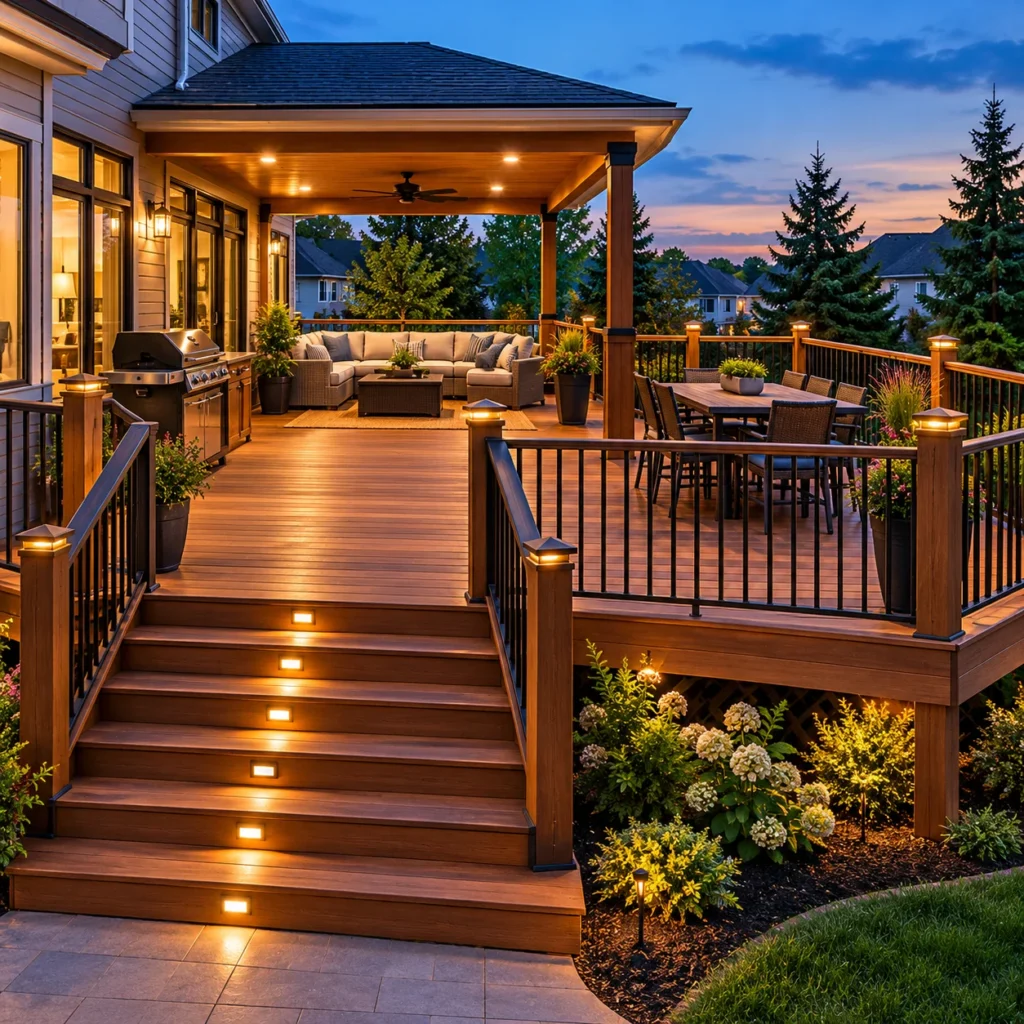
Deck construction adds functional outdoor space for access, relaxation, and everyday activities. Planning involves the intended layout, structural support, material choices, and connection points, helping ensure the proposed deck fits the available space and works with the building's overall exterior arrangement.
Screen System
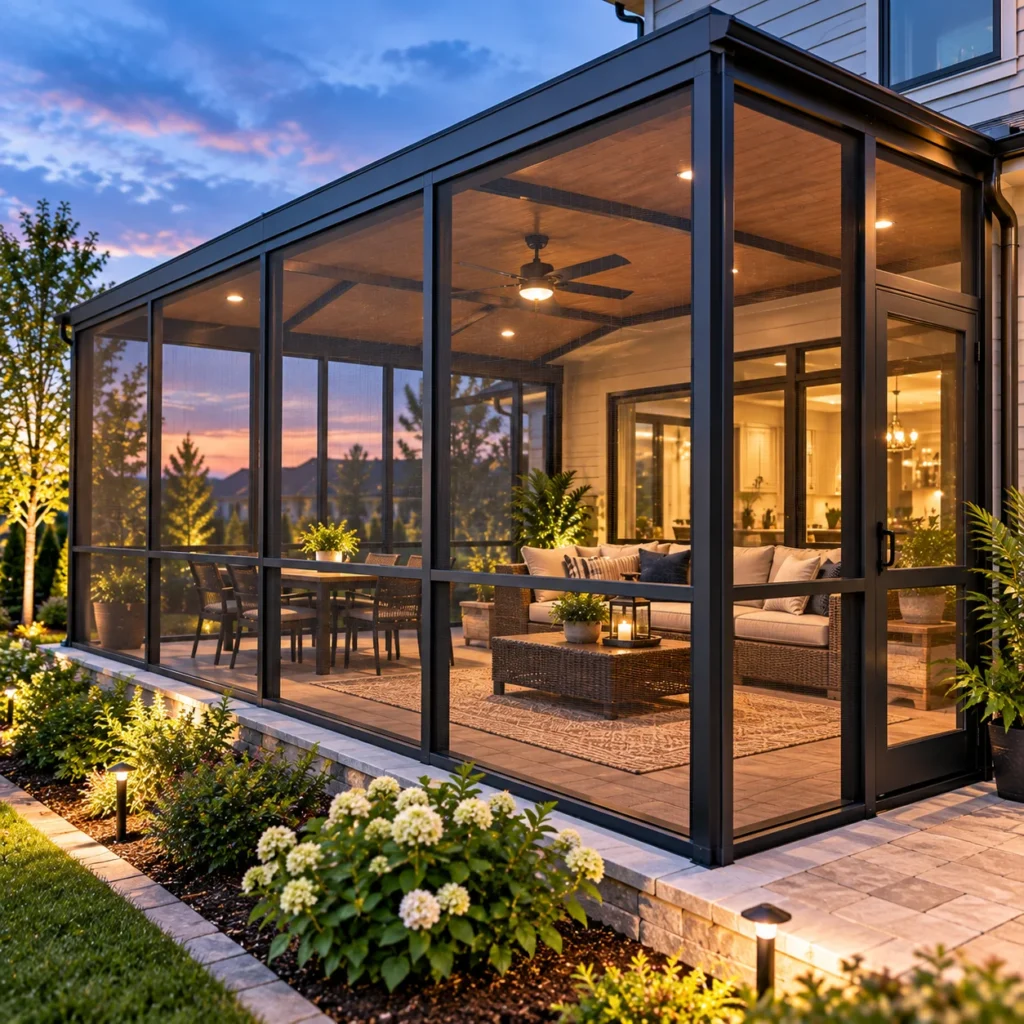
Screen systems enclose selected outdoor areas while allowing airflow through designated openings. The available space, frame configuration, access points, and intended use shape the design, making these factors important when integrating a screen system with a deck, porch, or other outdoor living area.
Concrete Slabs
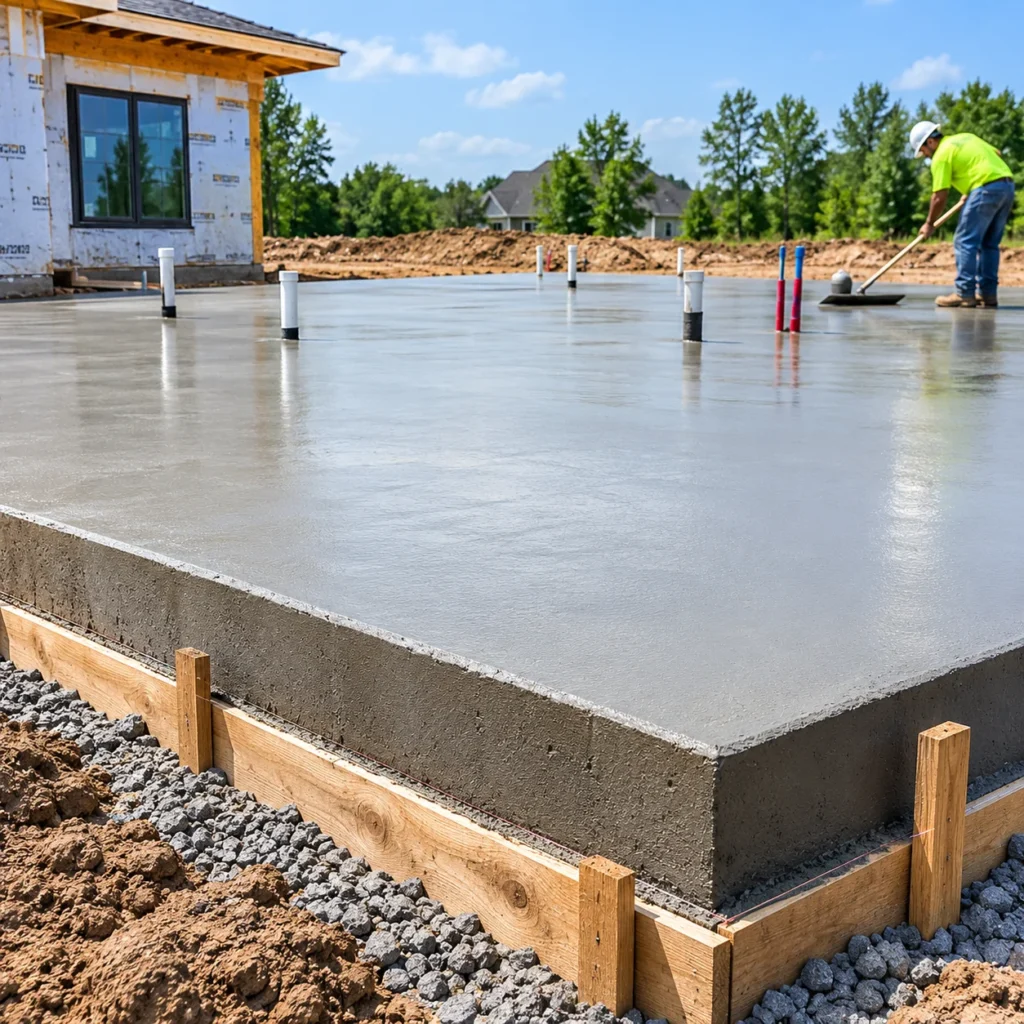
Concrete slabs provide hard surfaces for suitable residential and commercial applications, including floors and outdoor areas. Ground preparation, expected loads, dimensions, reinforcement, joints, and finishing requirements should be considered before installation so the proposed concrete work matches the property's intended use.
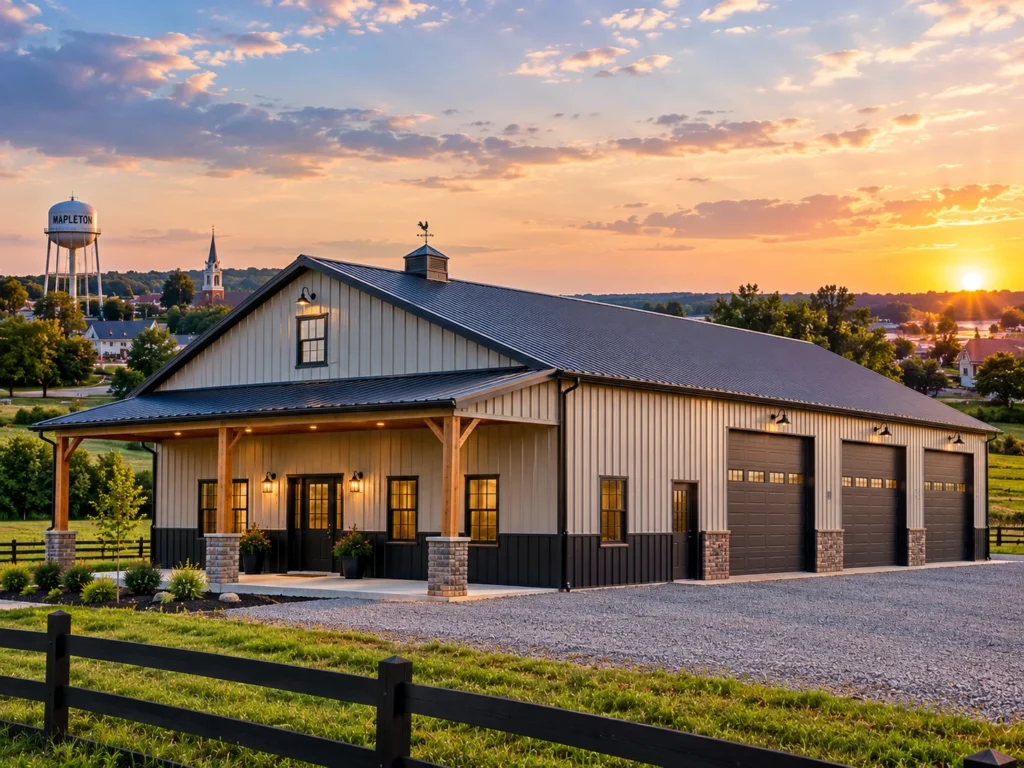
Post Frame Building
Post frame buildings can accommodate agricultural storage, equipment shelters, garages, workshops, and suitable commercial applications. Planning includes structural posts, roof framing, exterior materials, foundation requirements, and access openings, helping establish a building configuration that reflects the property's purpose and construction needs.
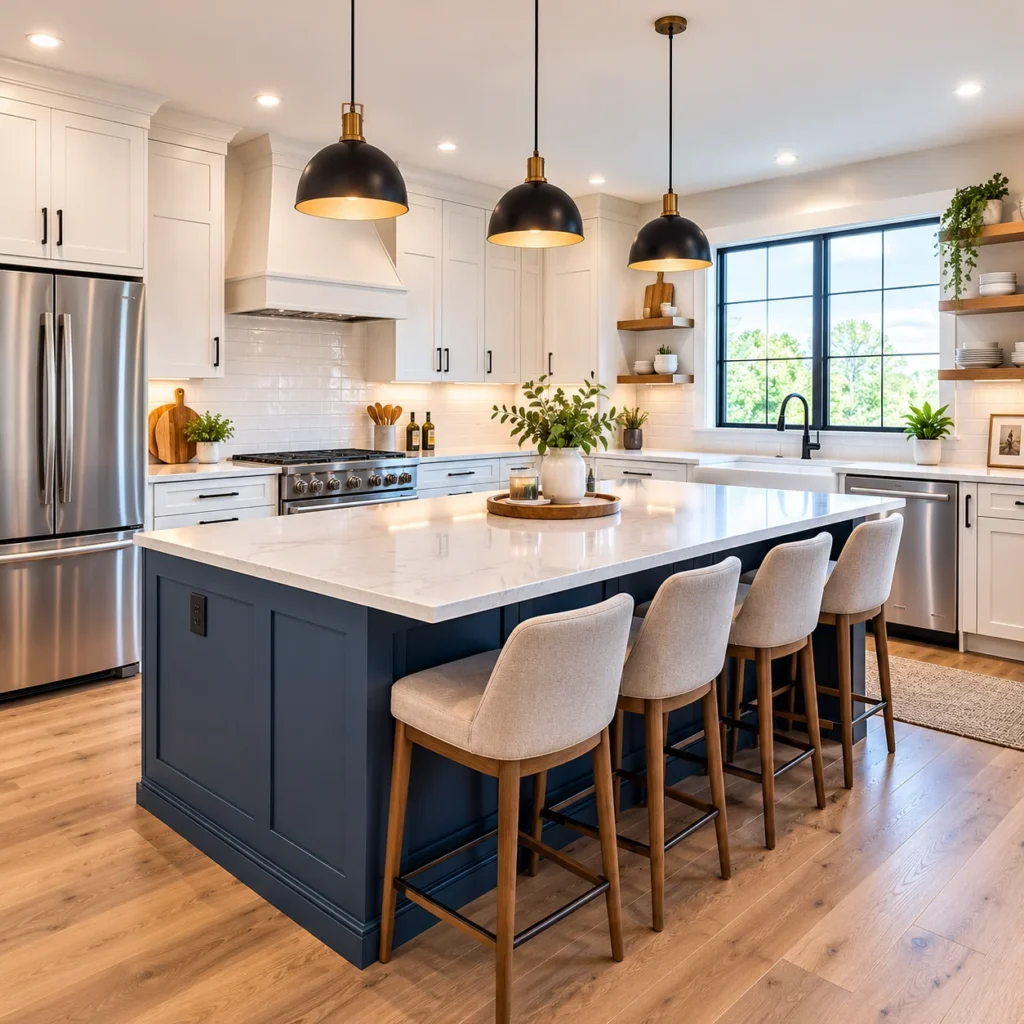
Kitchen Remodeling
Kitchen remodeling can update cabinetry, countertops, lighting, fixtures, and room layout to improve the use of available space. Considering storage requirements, work surfaces, existing conditions, and material choices helps establish a practical renovation scope that suits the household's routines and the property's design.
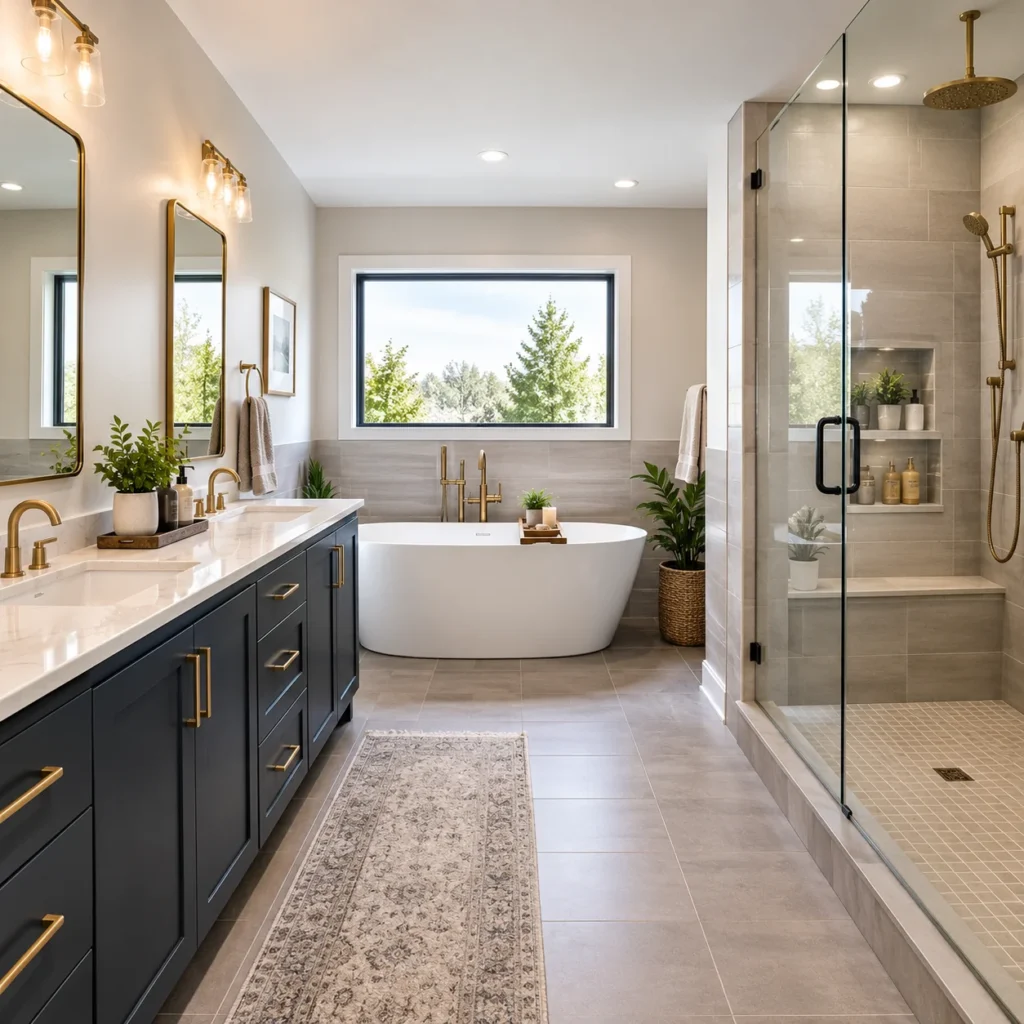
Bathroom Remodeling
Bathroom remodeling brings together fixture selection, surface finishes, lighting, ventilation, and layout improvements. Reviewing the existing room, plumbing arrangements, available space, and moisture-management requirements helps identify suitable updates and establish a renovation plan that reflects the property's practical needs.
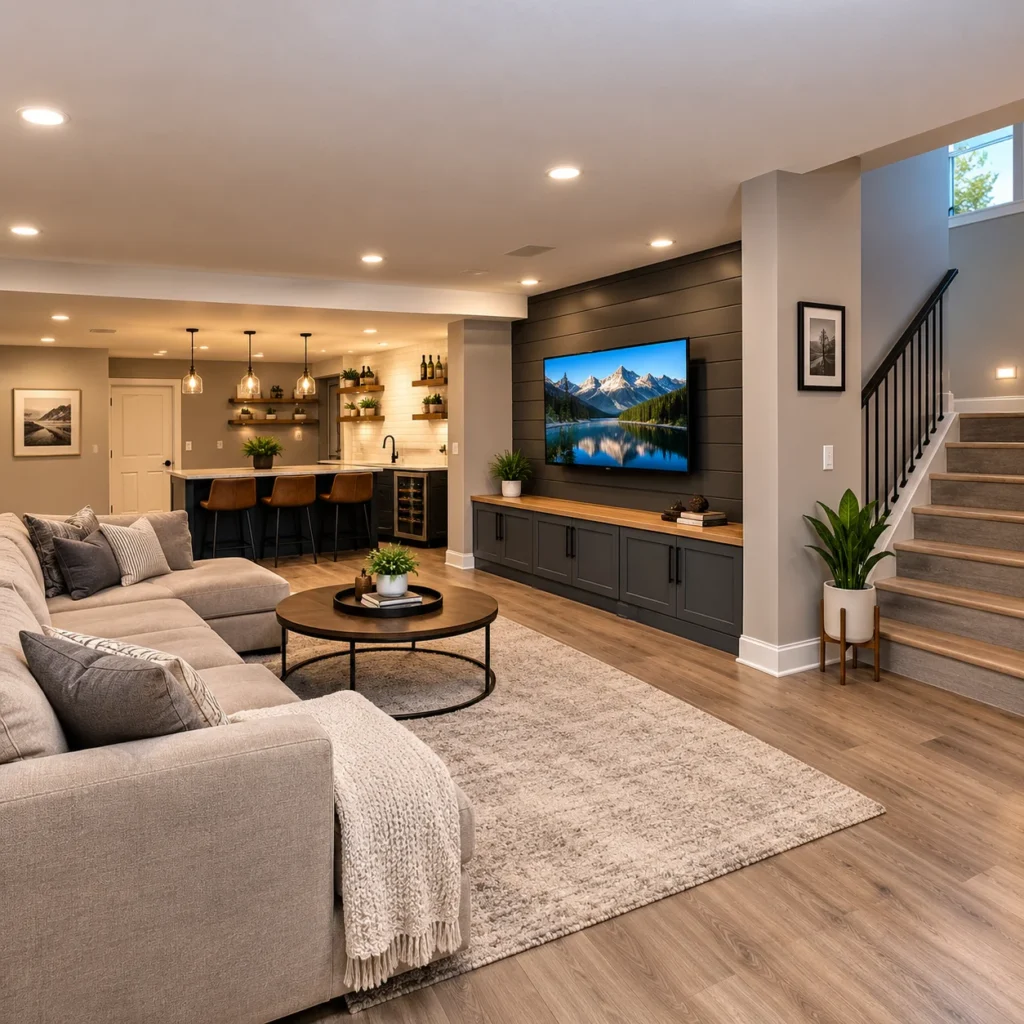
Basement Remodeling
Basement remodeling adapts lower-level space for different household needs through layout changes and interior improvements. Ceiling clearance, existing conditions, moisture management, lighting, and potential room divisions all influence the plan, helping property owners evaluate options for making better use of their available basement space.
Roofing Components That Matter During Installation
The visible roofing material is only one part of a complete roofing system. The supporting surface and connections between individual components influence how the assembled roof manages water and responds to weather exposure.
Roof Deck Preparation and Underlayment
The roof deck provides the supporting surface for the roofing material. On replacement projects, accessible decking should be evaluated for visible deterioration or damage before the new covering is installed. Underlayment adds a layer of protection beneath the primary roofing material. Additional ice-and-water protection may be appropriate in specified areas, depending on the roof design, product instructions, and applicable requirements. The installation scope should clarify what preparation is included and how additional damage discovered during removal will be handled. Concealed conditions cannot always be fully assessed until the affected materials become accessible.
Flashing and Roof Penetrations
Flashing helps manage water around vulnerable transitions such as chimneys, wall intersections, valleys, vents, and roof edges. These areas require compatible materials and suitable detailing because gaps or poorly formed connections can allow water to enter the roofing assembly.
Pipe boots and other penetration components also require attention during installation. Their suitability depends on the opening, surrounding materials, and the selected roofing system.
Roof Ventilation and Drainage
Ventilation requirements depend on the building assembly and roof configuration. The installation plan should account for the relevant ventilation design rather than assume the same approach suits every property.
Drainage is equally important. Roof slope, valleys, outlets, gutters, and other water-management components should work together according to the building’s design. A correctly selected roofing material cannot compensate for every drainage or installation problem.
How a Roof Installation Project Is Planned and Completed
A clear installation process helps property owners understand the proposed work, material choices, and decisions required before construction begins.
- Initial consultation and estimate: Discuss whether the project involves new construction, replacement, or an upgrade to an existing roofing system. The building and available project information help establish the initial requirements.
- Roofing material selection: Compare suitable options based on roof configuration, product specifications, appearance, budget, and maintenance expectations.
- Preparation and removal: For applicable replacement projects, remove the existing roofing materials according to the agreed scope. Evaluate accessible decking and identify additional work if concealed damage becomes apparent.
- Roof installation: Install the selected roofing system and its required components according to the product instructions and applicable project requirements.
- Completion review: Review the agreed scope, address outstanding questions, and clarify any applicable warranty documentation and follow-up responsibilities.
The precise work and timeline depend on the property’s condition, roofing material, roof configuration, weather, and project complexity. A project-specific schedule should be established rather than promising the same completion period for every roof.
Dickinson Weather and Seasonal Installation Planning
Dickinson’s seasonal weather makes the selection and installation of roofing materials an important planning decision. Wind, snow, hail, precipitation, freezing temperatures, and freeze-thaw conditions can affect exposed roofing materials and vulnerable areas of the assembled roof.
Planning for Snow, Ice, and Moisture
Snow and ice can complicate roof access and affect water movement around roof edges and drainage areas. The roof's design, underlayment, flashing, and drainage details should be considered when choosing an installation approach. The requirements depend on the building and roofing system. A property with a complex roof design may present different drainage and detailing considerations from a building with a straightforward roof layout.
Preparing for Wind and Hail Exposure
Wind can place stress on exposed roofing materials and connections, while hail may damage certain products depending on the impact and the material's characteristics. When choosing roofing products, compare documented wind and impact ratings, fastening requirements, and manufacturer specifications. These details can help you evaluate available options without assuming any roofing system is immune to storm damage.
Seasonal Scheduling and Cold-Weather Work
Roof installation timing depends on weather, material handling requirements, safe working conditions, and the scope of the project. Certain products have specific temperature and installation limitations. Cold-weather work should therefore be evaluated according to the selected product and the conditions at the property. Discuss expected scheduling and potential weather-related limitations before approving the project.
What Influences Roof Installation Cost in Dickinson?
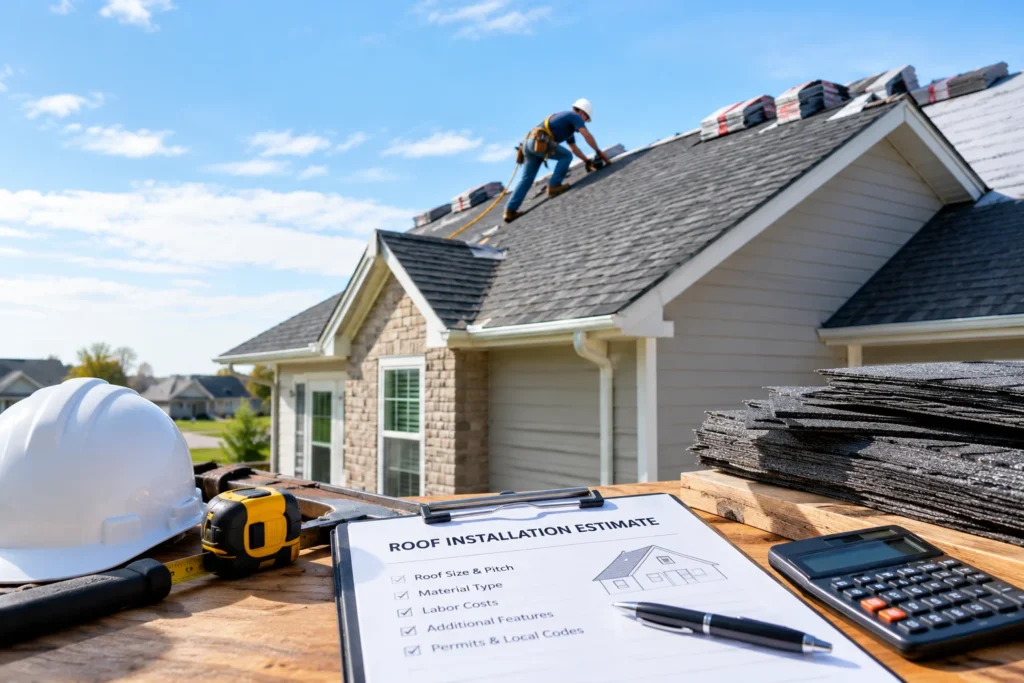
Roof installation costs depend on the property’s dimensions, roof design, selected materials, preparation requirements, and overall project scope. A straightforward shingle installation differs from a complex roof with multiple transitions or a commercial low-slope system.
The main cost factors include:
- Roof size and configuration: Total roof area, pitch, height, valleys, and transitions affect material quantities and labor requirements.
- Roofing material: Asphalt shingles, architectural shingles, metal panels, and membrane systems have different material and installation requirements.
- Existing roof removal: Replacement projects may involve tear-off and disposal, depending on the existing roofing layers and approved scope.
- Roof preparation and access: Decking repairs, access limitations, roof penetrations, and other site conditions may affect the work required.
- Supporting components: Underlayment, flashing, ventilation-related work, drainage details, and other necessary components contribute to the installation scope.
A property-specific estimate should explain the work and materials being proposed rather than rely on an unsupported local average.
Unexpected Conditions and Scope Changes
Some conditions become apparent only after existing roofing materials are removed or previously concealed areas become accessible. Examples may include deteriorated decking or moisture-related damage beneath the roof covering.
These discoveries can change the work required from the initial estimate. If additional work is necessary, ask for an explanation of the condition, the proposed correction, the additional cost, and any effect on the schedule before approving the change.
Separating the original project scope from additional work makes it easier to understand how unforeseen conditions affect the total cost.
What a Written Installation Estimate Should Clarify
Before approving your roofing project, review the materials specified, the work included, and any removal or disposal requirements. The estimate should also clarify what preparation is included and how additional repairs will be handled if concealed damage is discovered.
Ask about the anticipated schedule, payment terms, and applicable manufacturer or workmanship warranty information. Different products and agreements may have different conditions and exclusions, so warranty coverage should be reviewed according to the actual written terms.
Why Choose Rooftop Renovation & Exteriors for Roof Installation?
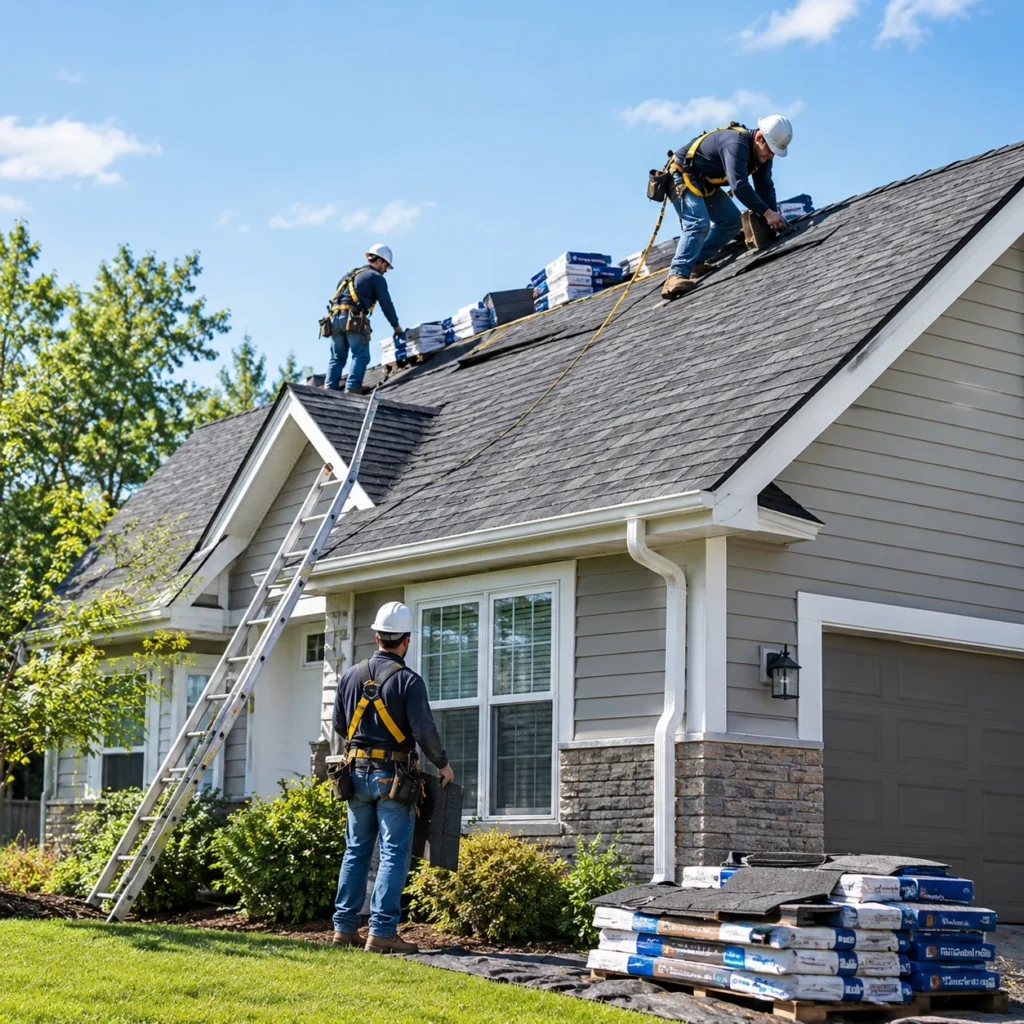
Rooftop Renovation & Exteriors provides residential and commercial roof installation options for property owners in Dickinson. The service covers new roofing projects and replacement needs, with material selection depending on the building and its requirements.
A well-defined project should make the selected materials, preparation work, installation scope, estimated cost, and scheduling expectations clear before work begins. These details help you evaluate the proposal and understand what is included in the roofing project.
The company offers an estimate option for property owners considering a new roof. Contact Rooftop Renovation & Exteriors to discuss your project, confirm service availability for your address, and review the proposed work and applicable warranty terms.
For an overview of related local services, visit our roofing services in Dickinson page.
Property Owners Say About Rooftop Renovation
 Posted on Google

 Renee Woehl
Trustindex verifies that the original source of the review is Google.
Rooftop recently replaced all shingles and installed a solar attic fan for me. All work was completed satisfactorily and within promised time frames. They did an excellent job of clean-up after work was completed.Posted on Google Annette KinsalaShingles were replaced. I was happy with the process. Workers were very helpful and work was completed in a very timely manner and the yard was cleaned up before they leftPosted on Google
 James HaydenRooftop Renovations did an outstanding job on our home. From start to finish, they communicated clearly and kept us informed every step of the way. They arrived right on schedule and completed the entire project professionally in just one day. We're extremely pleased with the results — thank you!Posted on Google
 Naomi KeneyProfessional, quality, and reliable!Posted on Google
 Jessica FrettyJob well done!Posted on Google
 Matthew SchmidtTyler and team were very professional and friendly. We've used them multiple times and they always do a great job.Posted on Google
 Steve CortinaThey were fast and did a great job. No issues at all. Recommend them to do more work around the statePosted on Google
 SteveNan DeichertVery impressed with this business and the crew. They worked hard, got a big project done efficiently. Appreciate their hard work. The new roofs in our complex look great!!Posted on Google
 Tim DopplerTyler and the crew at Rooftop Renovation are a 5 star organization and I have had two jobs done by them and they are truly fist class in all they so with siding and roofing and gutters. Couldn't recommend them any higher.Posted on Google
 Pete DickersonOur roof replacement was part of a much larger roof replacement project at our condo due to hail damage. We were impressed with the professional Management of all phases of striping and replacing the roof. Excellent attention to such details as proper cleanup
Frequently Asked Questions About Roof Installation in Dickinson
Widespread material deterioration, recurring leaks, extensive storm damage, or problems involving several roofing components may indicate that replacement deserves consideration. The final decision should depend on the actual roof condition, repair feasibility, and overall project requirements.
Options listed for the service include asphalt shingles, architectural shingles, metal roofing, and flat roofing systems such as EPDM and TPO. The appropriate choice depends on roof configuration, material specifications, budget, and the property’s requirements.
The timeline depends on roof size, material, weather, access, removal requirements, and installation complexity. Ask for a project-specific schedule after the work and site conditions have been evaluated.
Winter installation depends on weather, safe roof access, the selected material’s temperature requirements, and the type of work involved. The contractor should confirm whether the planned installation can proceed under the expected conditions.
Roof installation can describe fitting a roofing system to a new building or installing a new system on an existing property. Roof replacement specifically involves replacing an existing roof, which may require removing old materials and addressing underlying damage before installation.
Warranty coverage depends on the applicable product documentation and the agreement for the project. Ask for the relevant manufacturer and workmanship terms in writing, including any conditions, exclusions, or maintenance requirements.
The price depends on roof size, material, configuration, removal requirements, access, and additional work. A written estimate based on the property and proposed installation scope provides the most useful cost information.
Rooftop Renovation & Exteriors offers residential and commercial roofing services. The appropriate roofing system and installation scope depend on the building’s design, roof configuration, material requirements, and intended use. Confirm availability for your property when requesting an estimate.
Compare the materials specified, preparation and removal work, underlayment and flashing requirements, handling of unexpected damage, proposed schedule, payment terms, and applicable warranties. Estimates should be evaluated according to the actual work included rather than the total price alone.
Request a Roof Installation Estimate in Dickinson, ND
Choosing a new roof involves decisions about materials, supporting components, preparation, cost, and project timing. Understanding these details before work begins helps you evaluate the proposed installation and determine which roofing system suits your property.
Rooftop Renovation & Exteriors provides a way to discuss roof installation requirements and request an estimate for your Dickinson property. Explain whether the project involves new construction or replacement, ask about suitable materials, and review the proposed scope before proceeding.
Ready to plan your roofing project? Contact Rooftop Renovation & Exteriors to request an estimate and confirm installation availability for your Dickinson property.
Rooftop Renovation & Exteriors