
Roof Installation in Sioux Falls, SD
Rooftop Renovation & Exteriors provides roof installation in Sioux Falls, SD, for residential and commercial properties requiring a new roofing system or replacement of an existing roof. The right installation plan depends on the building’s design, roof structure, material selection, water-management requirements, and project scope.
A successful roofing project involves more than placing new shingles or panels over a roof. The supporting deck, underlayment, flashing, ventilation, drainage, and installation details all contribute to the finished system. Evaluating these components before work begins helps establish the appropriate materials, preparation, and installation requirements.
Rooftop Renovation & Exteriors

Roof Installation for New Construction and Replacement
Roof installation serves two primary needs: providing a roofing system for a new building and replacing an existing roof when a broader project is appropriate. Each requires planning around the structure, materials, and intended use of the property.
01
New Construction Roof Installation
A new construction project requires a roofing system that fits the building's design and supporting structure. Material selection, roof slope, drainage, flashing details, and ventilation requirements should be considered before installation begins. Planning these details early helps coordinate the roofing work with other construction activities and reduces uncertainty about the materials and scope included in the estimate.
02
Roof Replacement and Re-Roofing
Replacing an existing roof begins with assessing the existing materials and the condition of accessible or exposed components. The amount of material that must be removed, the condition of the decking, and the details around roof penetrations can affect the work required. If concealed damage becomes visible after the existing roof is removed, additional work may be necessary. The proposed changes and associated costs should be explained before work outside the approved scope proceeds.
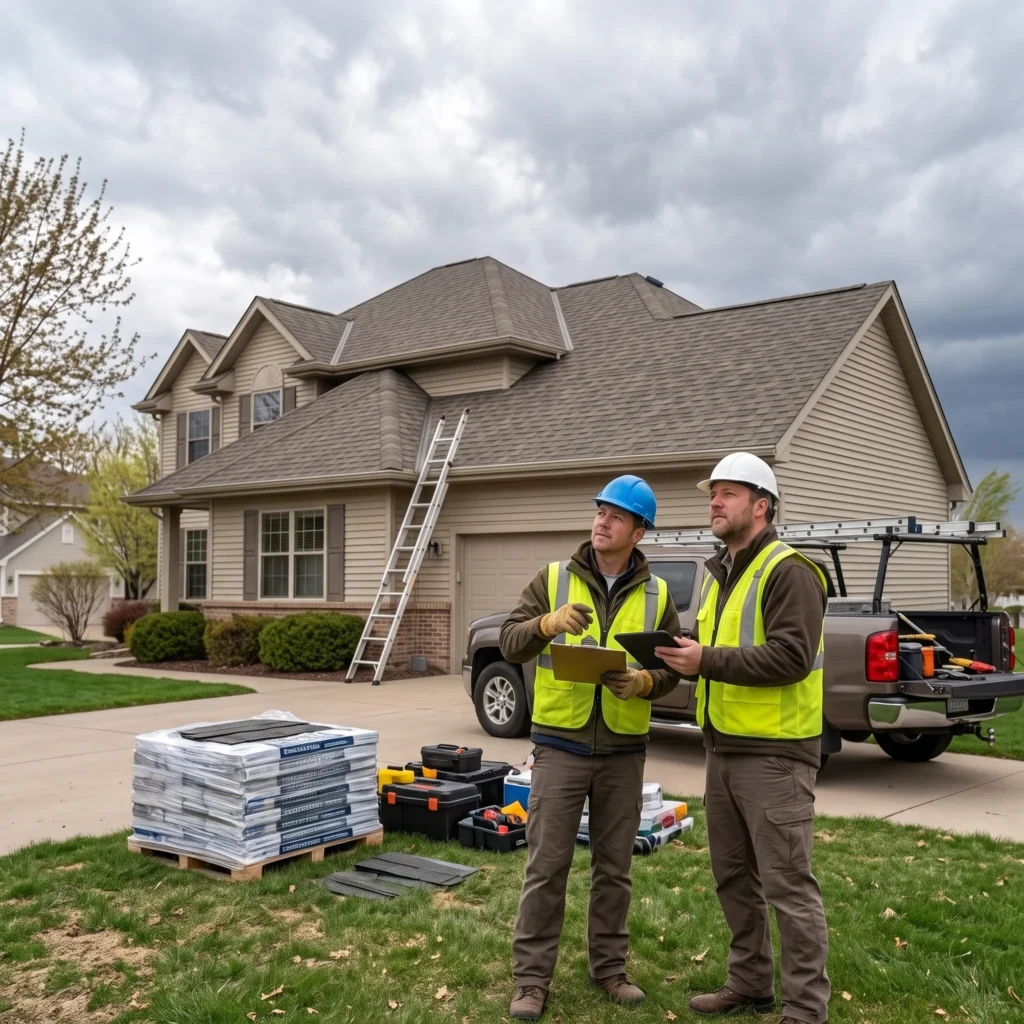
Sioux Falls Weather and Installation Planning
Weather conditions in Sioux Falls are relevant when selecting materials and scheduling installation. Hail, wind, snow, ice, moisture, and temperature changes can affect roofing materials and the vulnerable connections within a roof assembly.
Hail and wind exposure make material specifications and correct installation details important considerations. Snow and ice also make drainage and water-management details relevant, while temperature and weather conditions during installation can affect which materials and methods are suitable.
No roofing system is immune to all weather-related damage. The installation plan should reflect product requirements, roof design, and building conditions rather than rely on unsupported claims that a material is completely hail-proof, wind-proof, or maintenance-free.
Choosing Roofing Materials for Sioux Falls Properties
The appropriate roofing material depends on the building, roof configuration, appearance, budget, maintenance preferences, and product specifications. Local exposure to hail, wind, snow, ice, and seasonal temperature changes is also relevant when comparing available systems.
Asphalt Shingles
Asphalt shingles are a common residential option available in different styles and colors. The selected product, roof slope, installation instructions, underlayment, and flashing details influence how the finished system is assembled. When comparing shingle options, consider the product specifications and the materials included in the estimate rather than evaluating color or initial price alone.
Metal Roofing
Metal roofing offers a different appearance and installation method from asphalt shingles. Panel configuration, fastening or attachment methods, flashing, and the details at roof edges and penetrations affect the finished system.
Property owners considering a standing seam system can explore our standing seam steel roofing services for more information about this roofing option.
Commercial TPO, EPDM, and Built-Up Roofing
Commercial roofing systems have different installation requirements from sloped shingle roofs. TPO and EPDM are membrane systems, while built-up roofing uses layered roofing materials. Roof slope, drainage, seams, penetrations, and installation specifications influence preparation and installation. Commercial roofing systems may include TPO, EPDM, or built-up roofing, depending on the building and project requirements. Rooftop Renovation & Exteriors can discuss suitable material options for the project and clarify the proposed installation scope before the estimate is finalized.
Asphalt Shingles vs. Metal Roofing
Compare asphalt shingles and metal roofing according to the factors that matter to your property: upfront cost, appearance, maintenance, roof configuration, installation requirements, and product-specific performance information. Reviewing these criteria alongside the written estimate provides a more useful basis for choosing between materials than relying on a blanket claim that one option is always better.
Roof Installation and Related Roofing, Exterior, and Remodeling Services in Sioux Falls
Alongside roof installation in Sioux Falls, Rooftop Renovation & Exteriors offers roofing, exterior improvement, building, and remodeling services for residential and commercial properties. Explore these options to understand which service may fit your property’s current condition, planned improvements, and long-term needs.
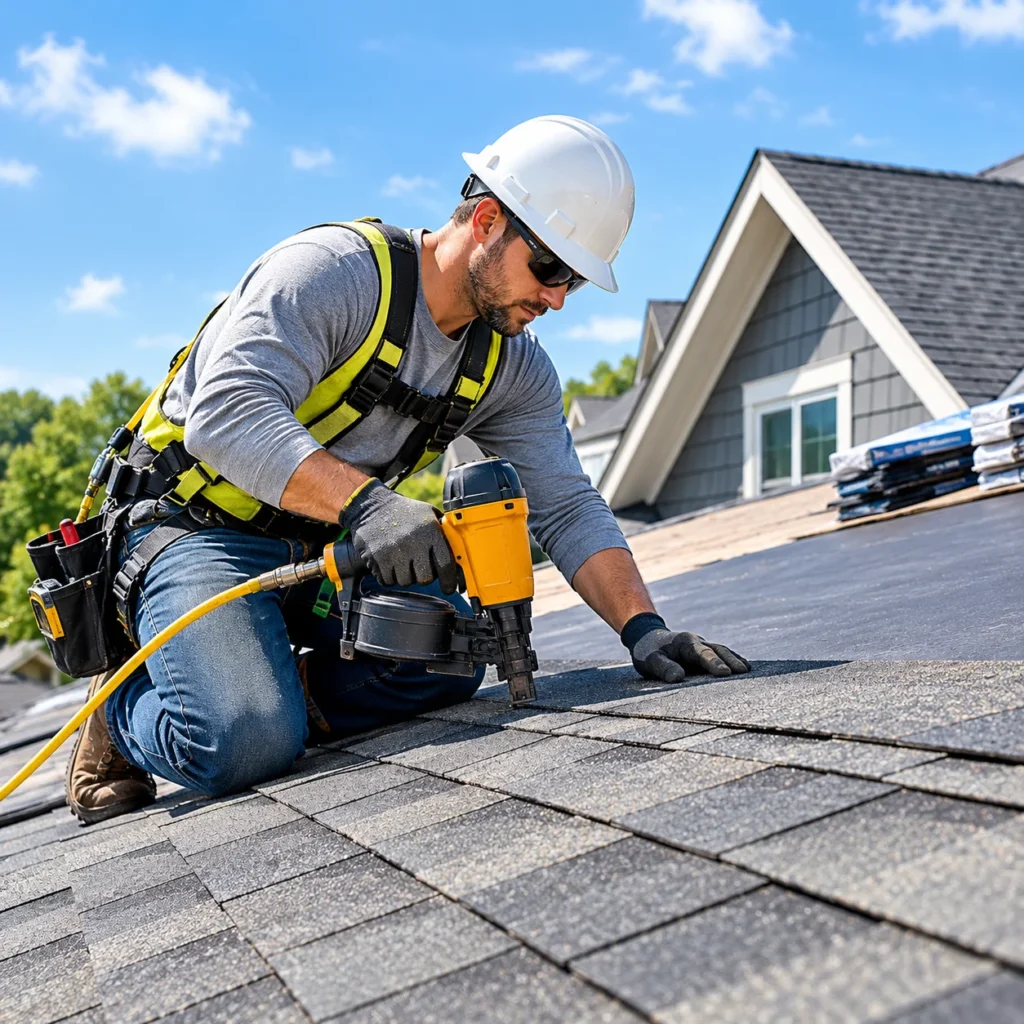
Roofing
Roofing services cover projects ranging from evaluating existing roof conditions to installing a new roofing system. Whether you're planning construction or updating an older roof, reviewing the available options helps you identify a suitable starting point for your project.
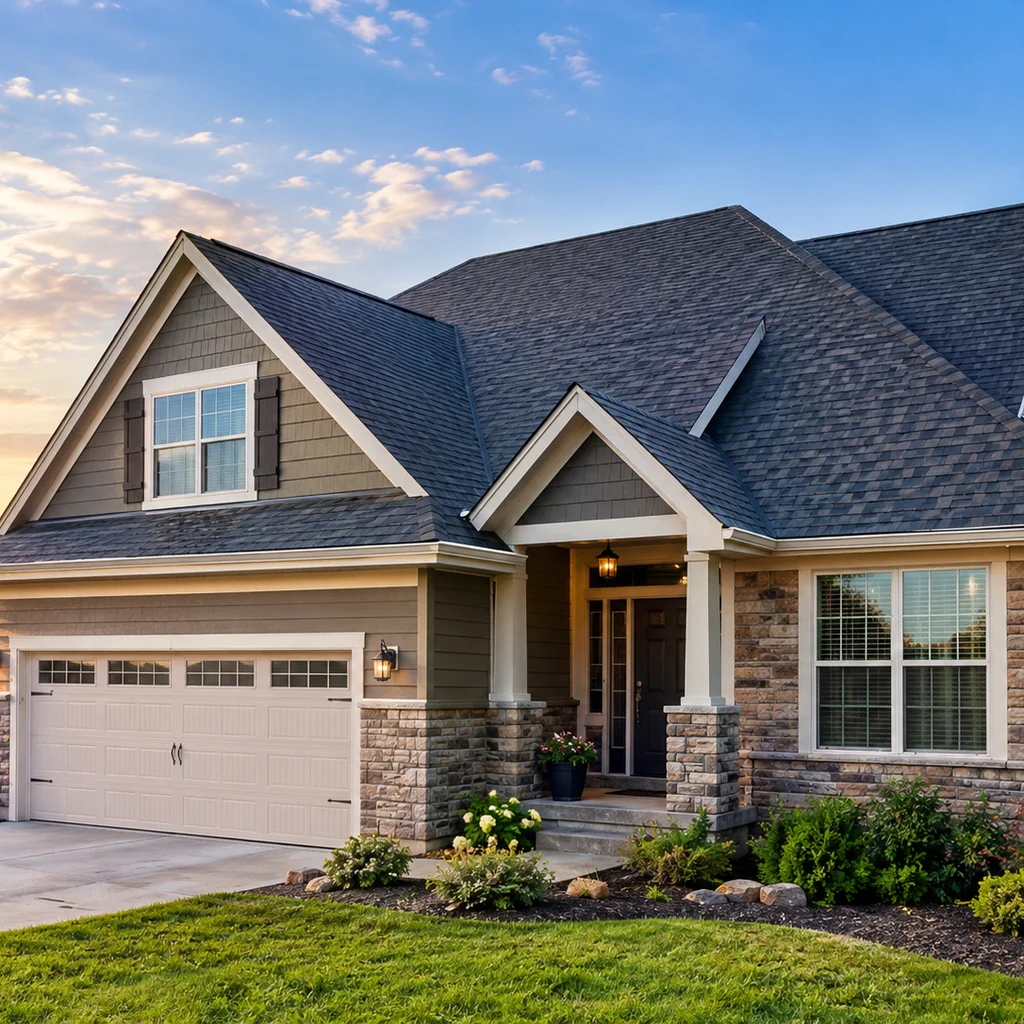
Residential Roofing
Residential roofing focuses on roofing systems for houses and other residential properties. Material selection, roof design, ventilation, and water management all influence installation planning, helping homeowners consider the features that matter for their particular property.
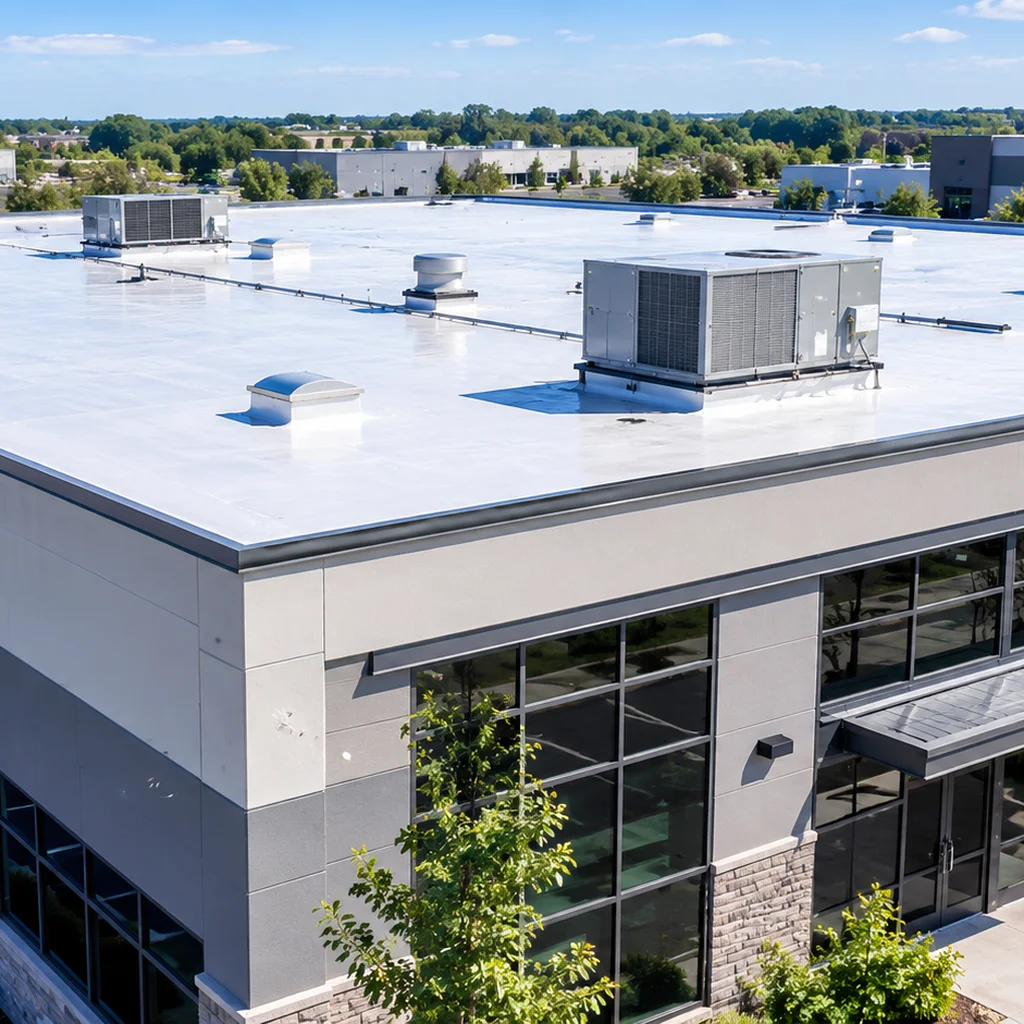
Commercial Roofing
Commercial roofing addresses the needs of business premises and other commercial buildings. Roof dimensions, drainage requirements, rooftop equipment, and membrane or panel selection can shape the installation plan and help establish the appropriate scope for a commercial project.
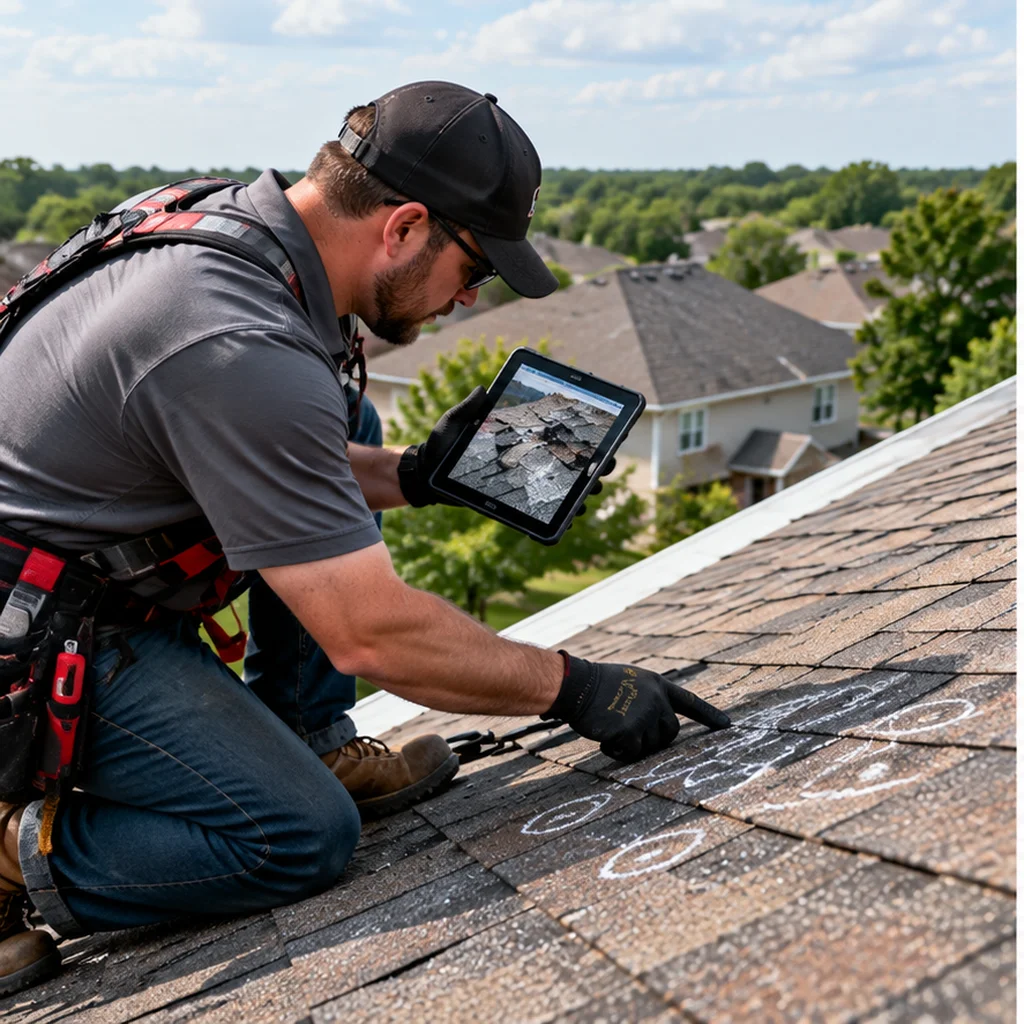
Roof Inspection
A roof inspection helps assess visible material conditions, flashing, drainage, and other accessible roofing components before installation or replacement decisions are made. Reviewing these details can help clarify whether the project needs preparation, localized repairs, or a complete new roofing system.
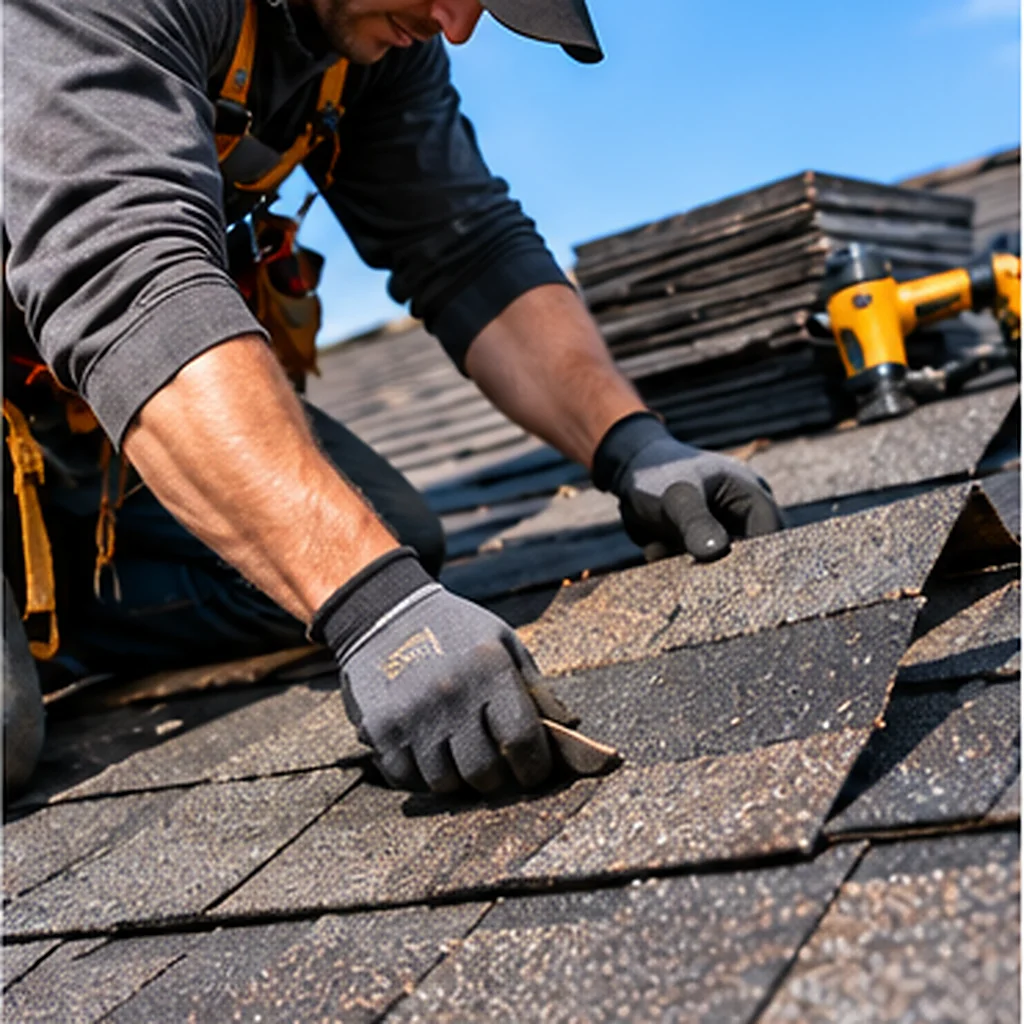
Roof Repair
Roof repair focuses on localized problems such as damaged shingles, loose roofing components, deteriorated flashing, or leaks. When the surrounding roof remains serviceable, addressing a specific defect may be worth considering before committing to a larger roofing project.
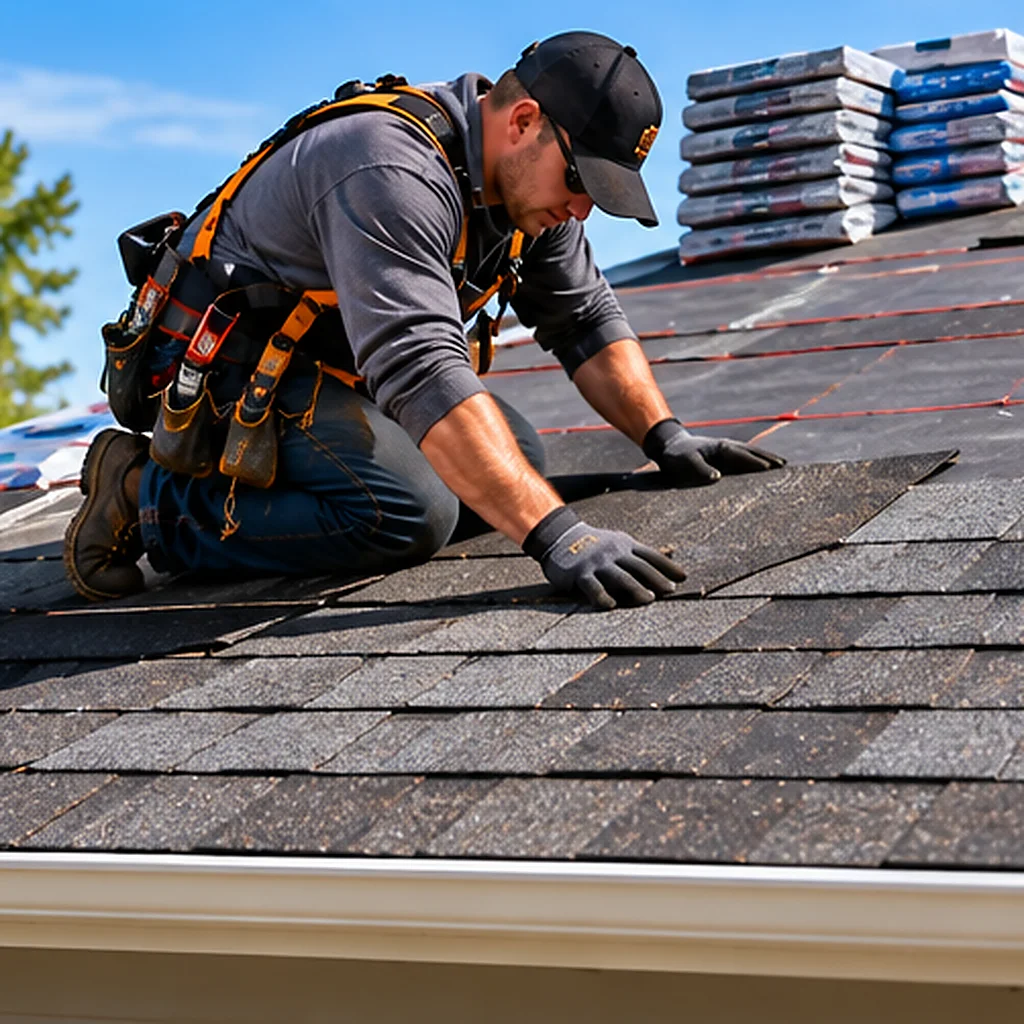
Roof Installation
Roof installation provides a new roofing system for new construction or buildings requiring an updated roof. The process involves selecting suitable materials and planning the supporting components, including underlayment, flashing, roof edges, and drainage details.
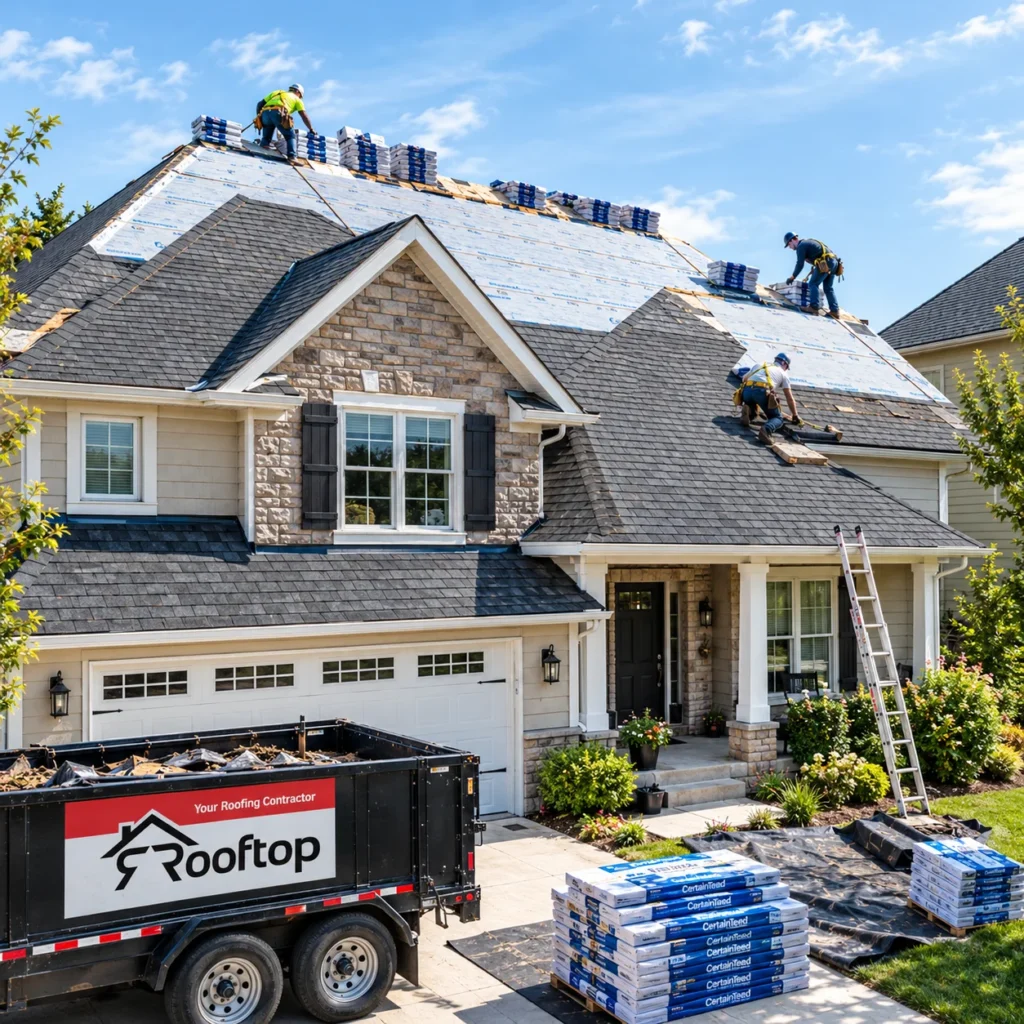
Roof Replacement
Roof replacement involves removing or addressing an existing roofing system and installing a new one when the project's condition and scope call for it. Existing material layers, decking condition, roof configuration, and disposal requirements can all influence the work involved.
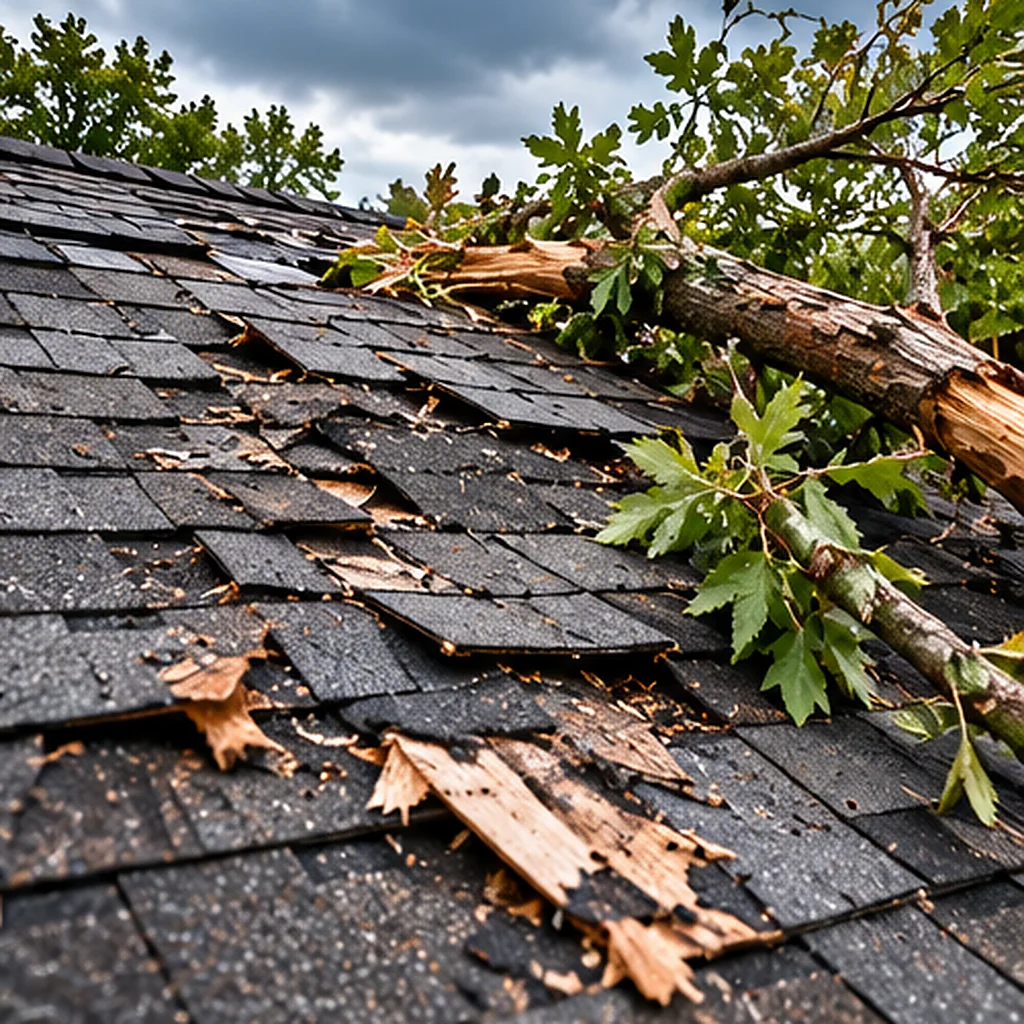
Storm and Hail Damage Restoration
Storm and hail damage restoration addresses roofing and exterior concerns that may follow severe weather. Assessing displaced materials, visible impact marks, damaged flashing, and moisture concerns helps establish which areas need attention and what restoration work may be appropriate.
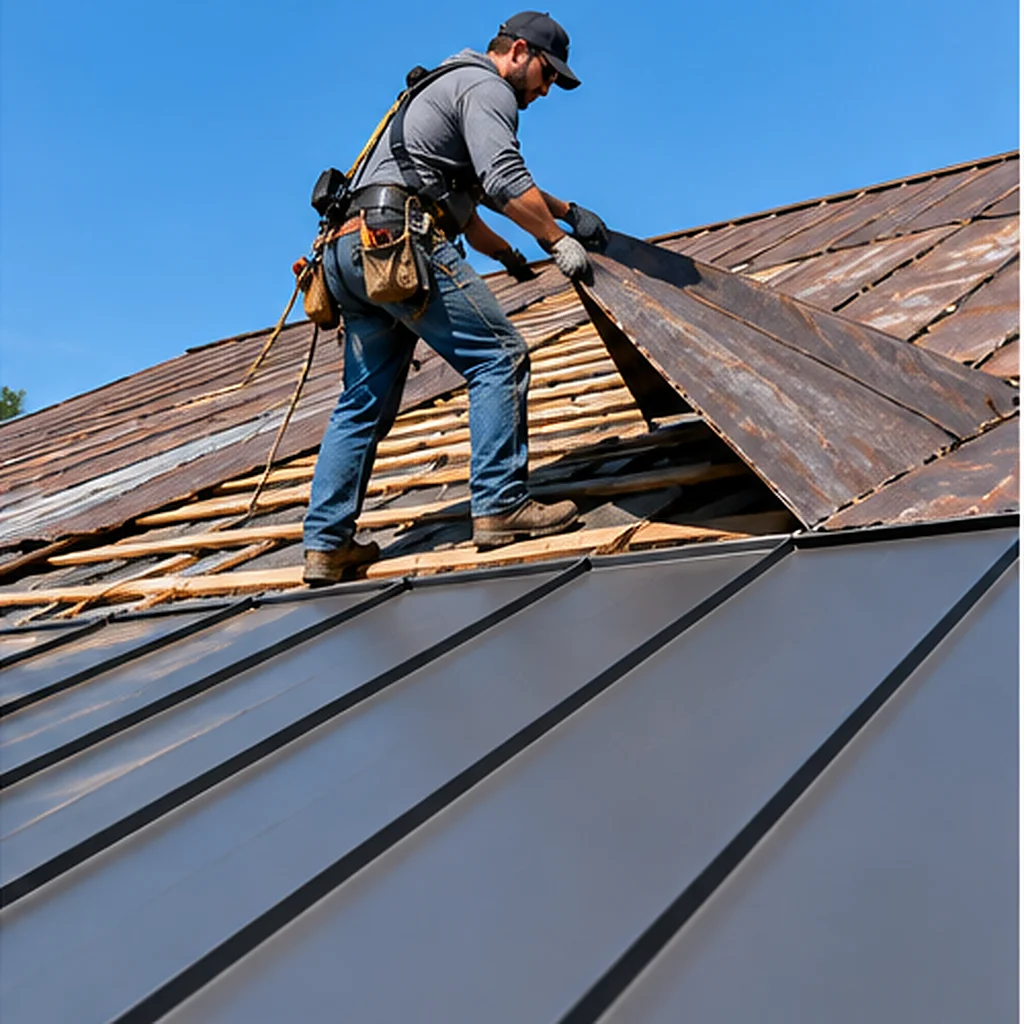
Standing Seam
Standing seam roofing uses metal panels connected by raised seams to create a defined architectural appearance. When considering installation, property owners can evaluate panel profiles, roof transitions, fastening requirements, and compatible flashing details to understand how the system fits the building.
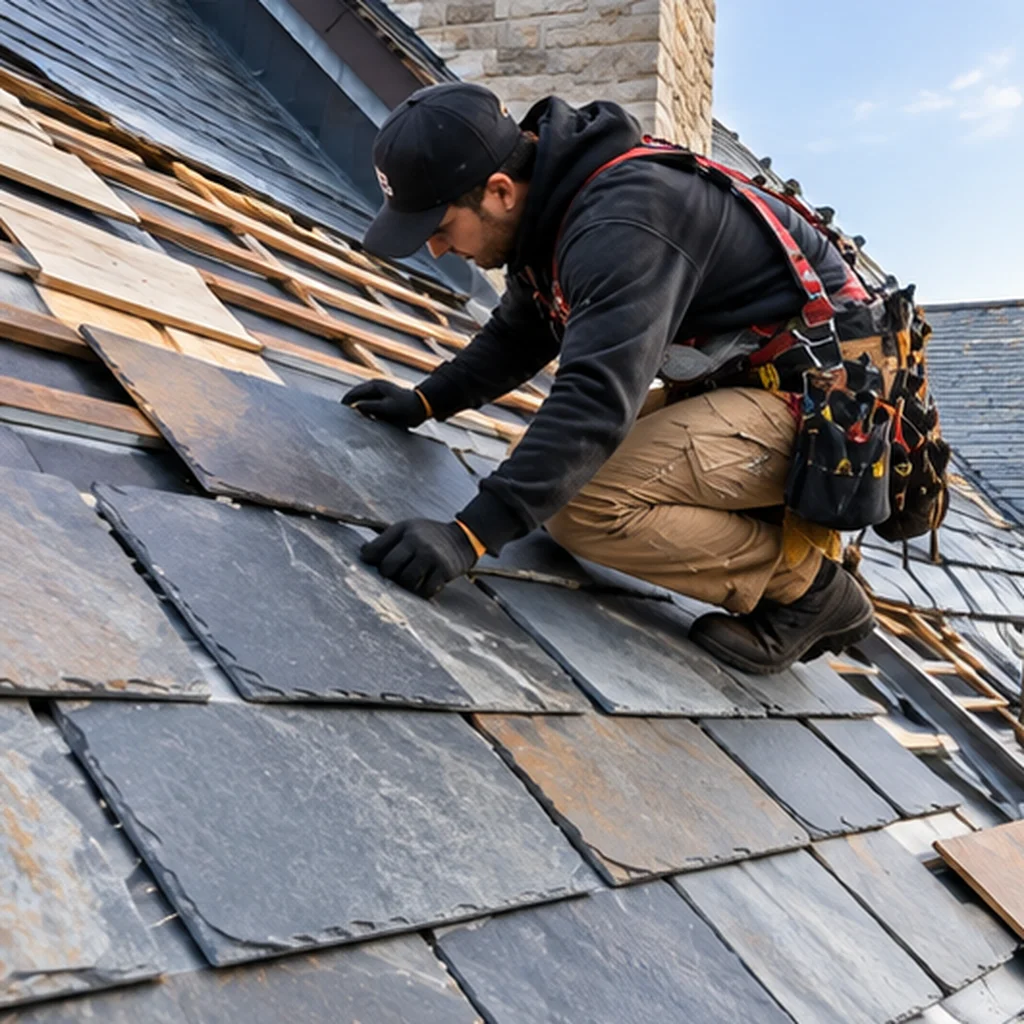
Slate Roof
Slate roofing offers a distinctive natural-stone appearance for suitable architectural designs. Planning an installation involves considering the roof structure, material specifications, roof configuration, and detailing around valleys and penetrations to establish a system suited to the property.
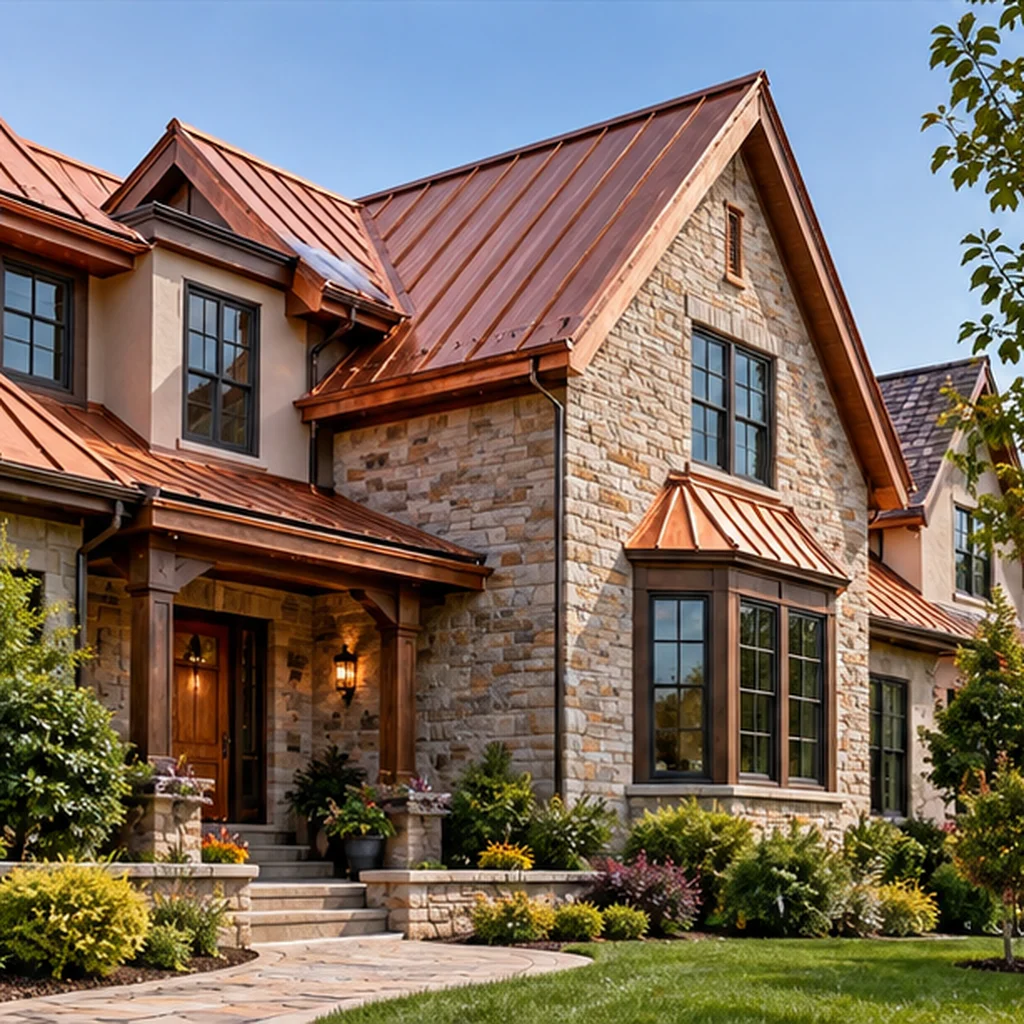
Copper Roof
Copper roofing provides a distinctive metal finish that develops a changing appearance over time. Property owners considering this option can review its design characteristics, panel and seam details, and compatibility with the building's architectural features before planning installation.
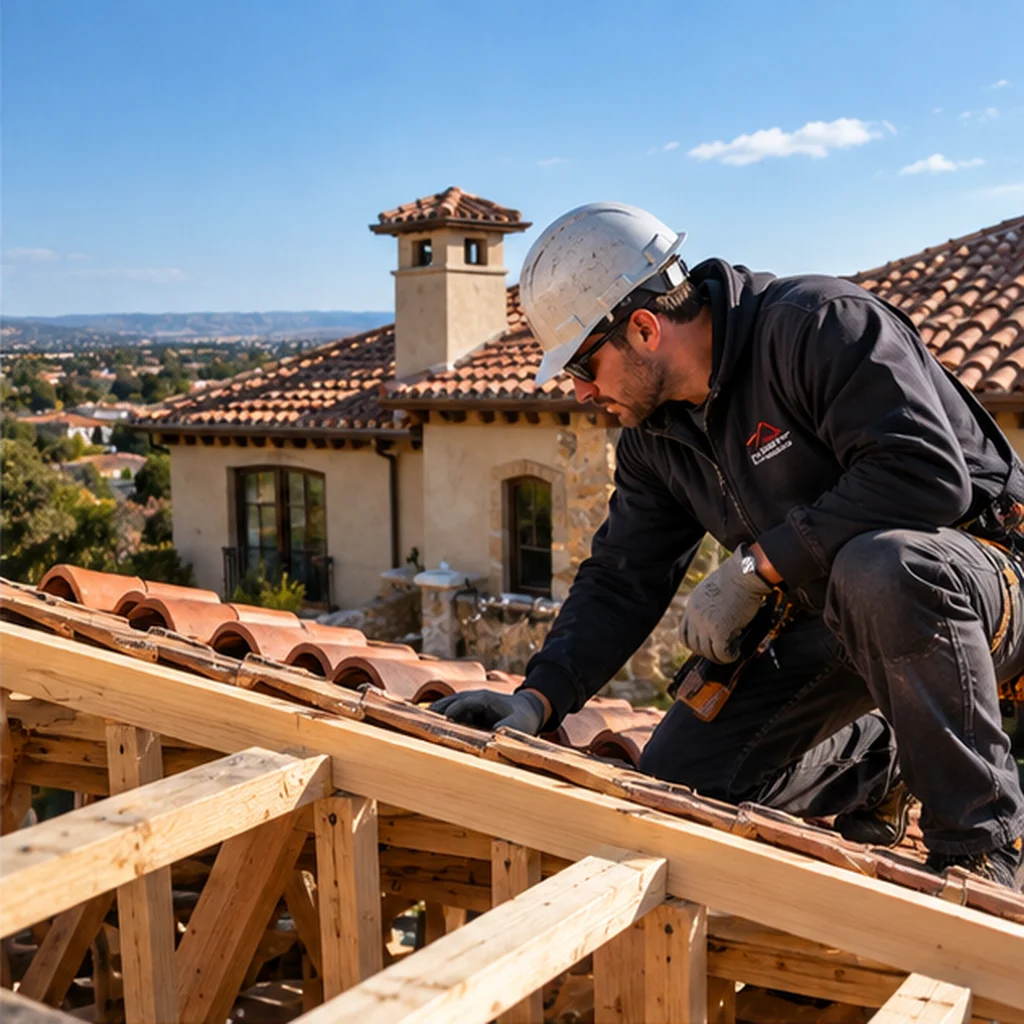
Barrel/Spanish Tile Roof
Barrel and Spanish tile roofing creates a curved profile that gives a property a traditional appearance. Installation planning should account for roof design, tile specifications, supporting requirements, and the details around edges and transitions to help achieve a cohesive finished system.
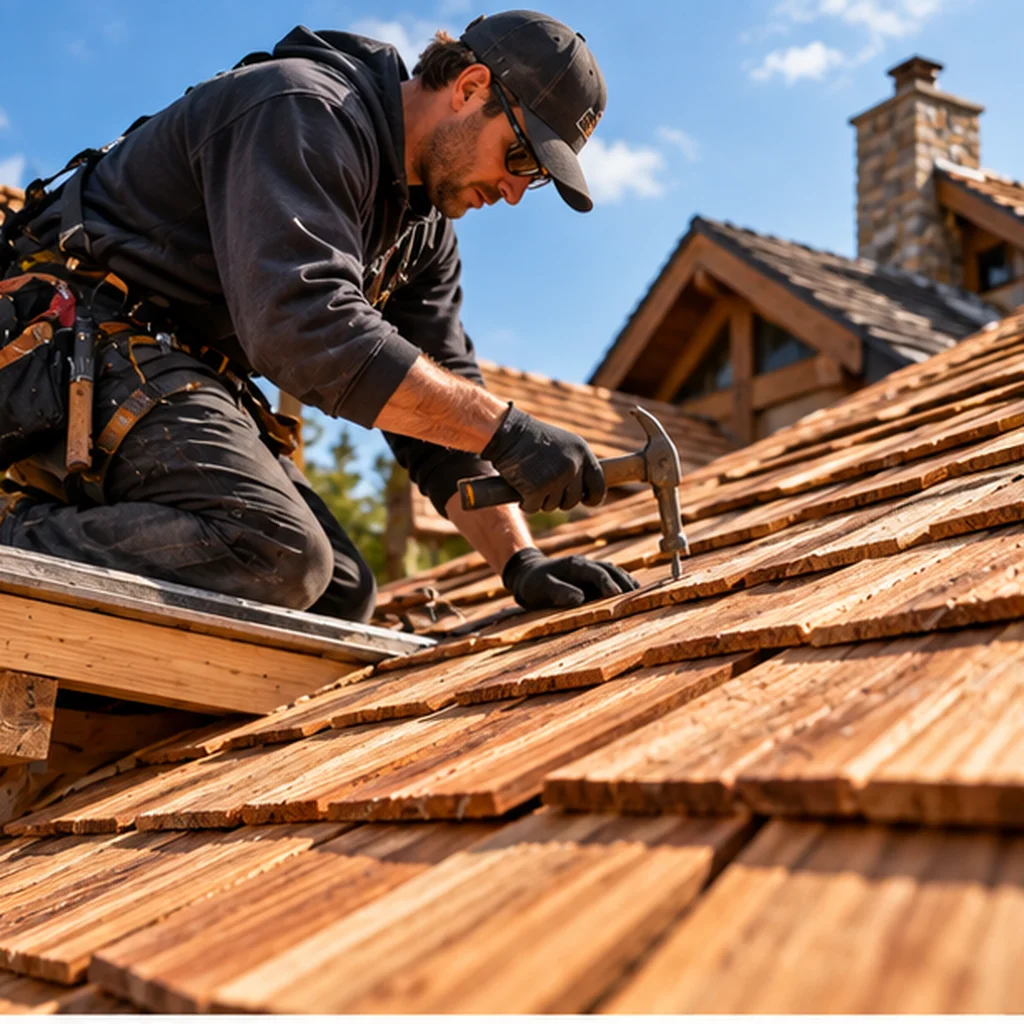
Cedar Shake Roof
Cedar shake roofing provides a textured, natural finish that can complement certain home styles. Before choosing this material, consider its appearance, installation requirements, ongoing maintenance needs, and suitability for the roof's configuration and the property's exposure conditions.
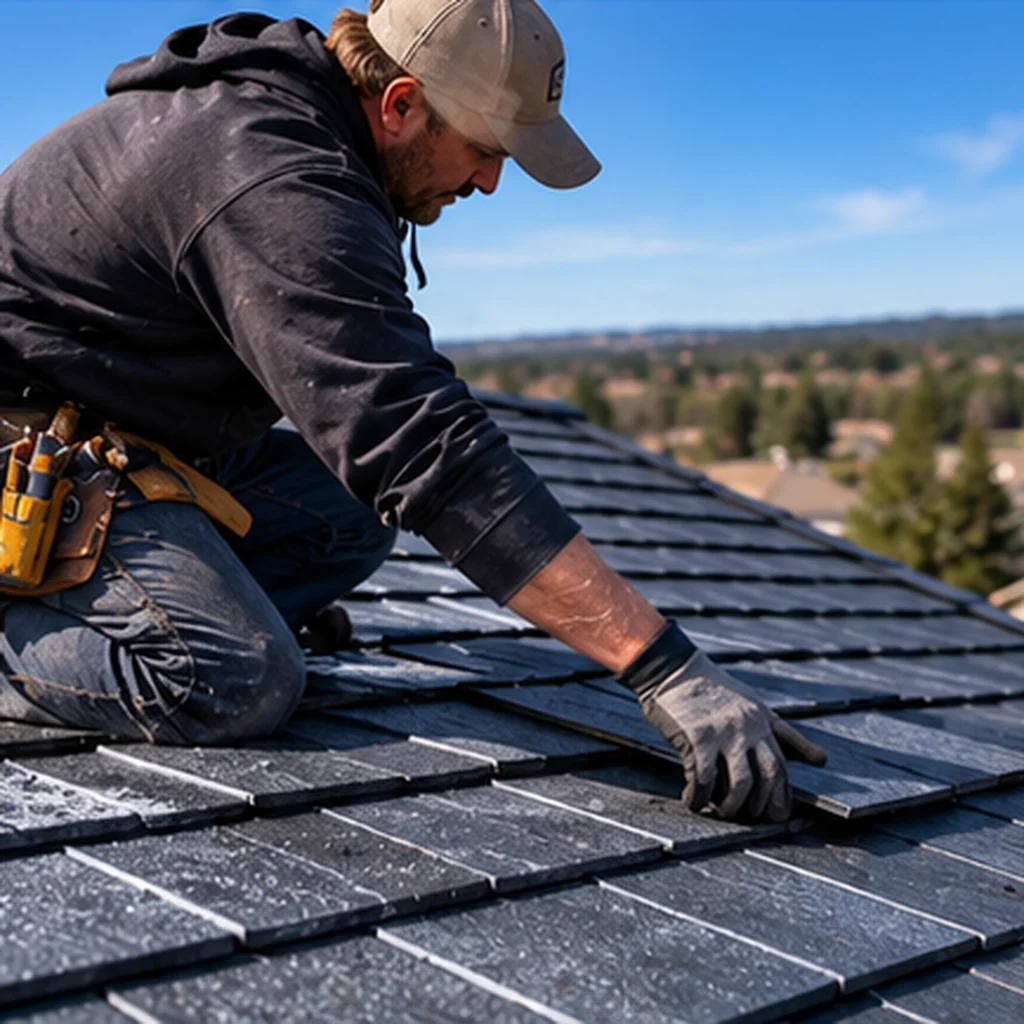
Steel Shingle Roof
Steel shingle roofing combines a shingle-style profile with metal roofing material. When evaluating this option, compare the product specifications, attachment method, roof-edge details, and available finishes to determine whether the system suits your building and design preferences.
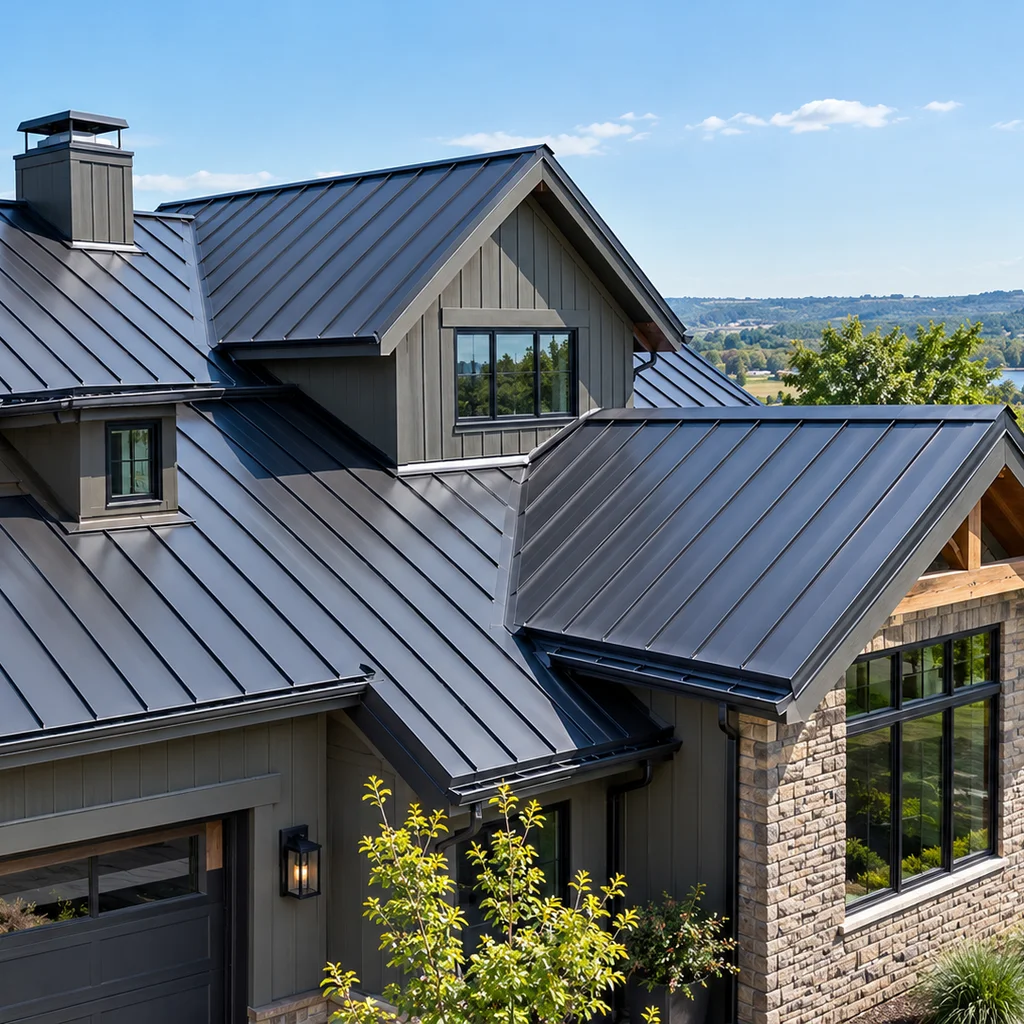
Metal and Steel Roofing
Metal and steel roofing systems offer several panel styles and configurations for residential and commercial projects. Comparing material specifications, installation details, roof slope, and flashing requirements helps property owners identify an option that aligns with the building's design and project scope.
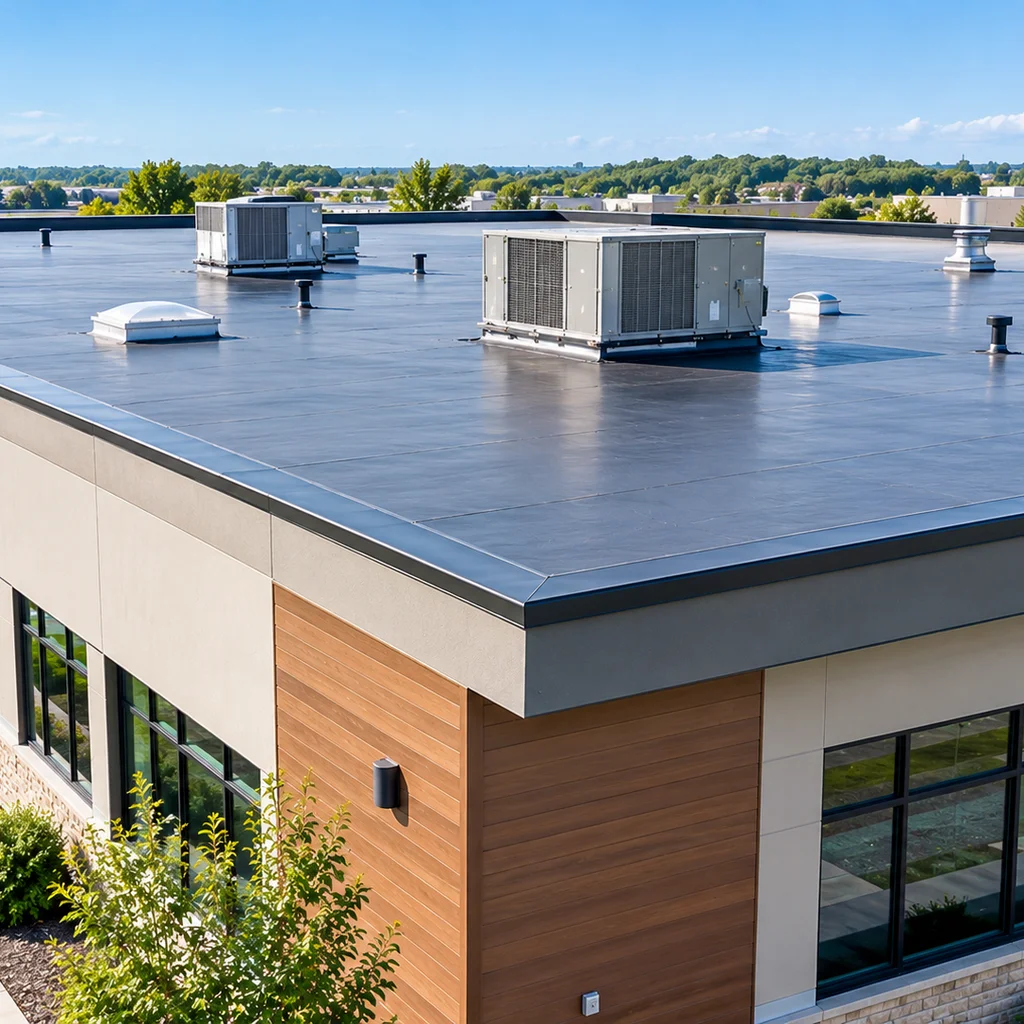
Flat and Low-Slope Roofing
Flat and low-slope roofing systems require careful planning for membranes, seams, penetrations, and drainage. Selecting a suitable system involves considering the roof's configuration, water-management requirements, equipment locations, and the installation specifications for the chosen material.
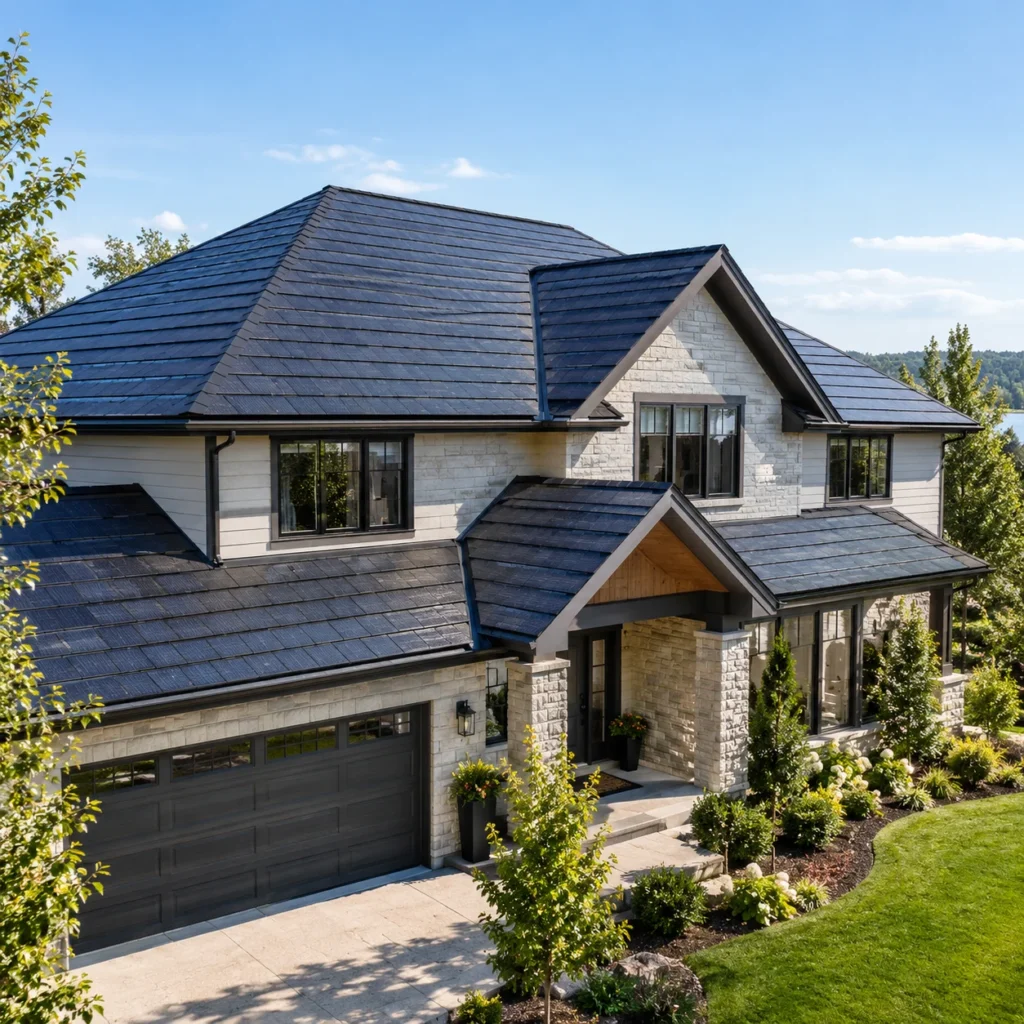
Solar Roof Shingles
Solar roof shingles combine roofing materials with solar-energy technology. Before considering installation, assess the existing roof or proposed roof design, available layout, material compatibility, and project requirements to understand whether this option fits your property's plans.
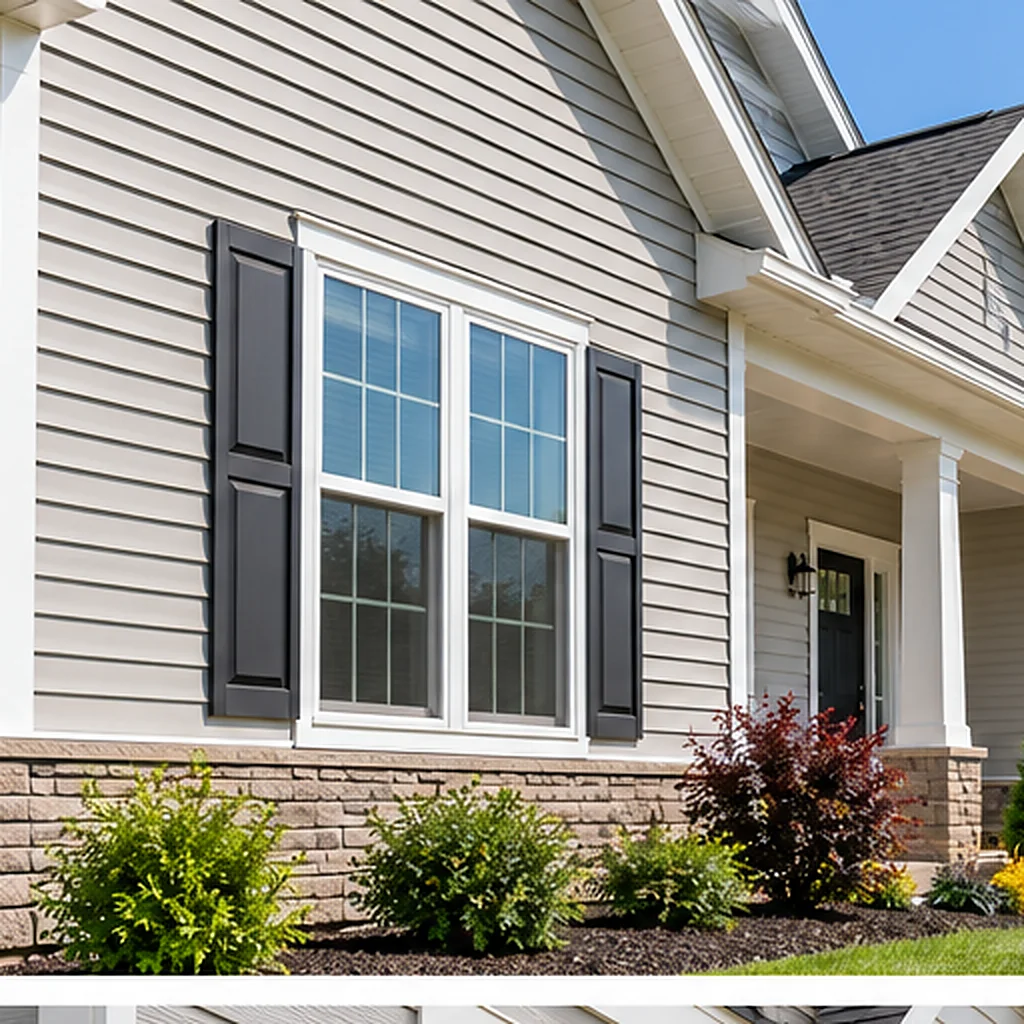
Siding
Siding contributes to a building's appearance while covering and protecting its exterior walls. If your roofing project is part of a wider exterior update, comparing siding materials, colors, and installation details can help create a coordinated appearance across the property.
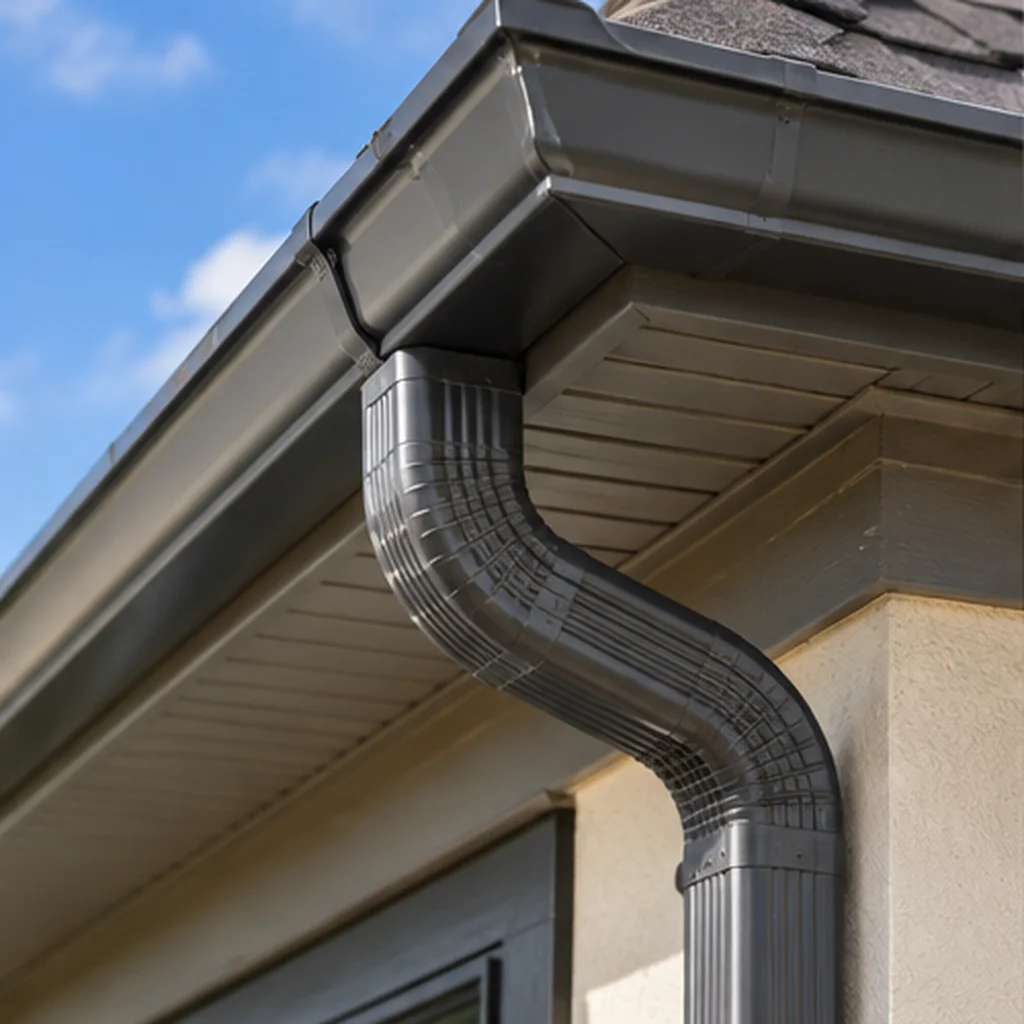
Gutter
Gutters and downspouts help direct rainwater away from roof edges and the building exterior. During a roofing project, considering gutter condition, placement, and drainage connections helps property owners identify whether related exterior improvements should be included in the overall plan.
Window Replacement
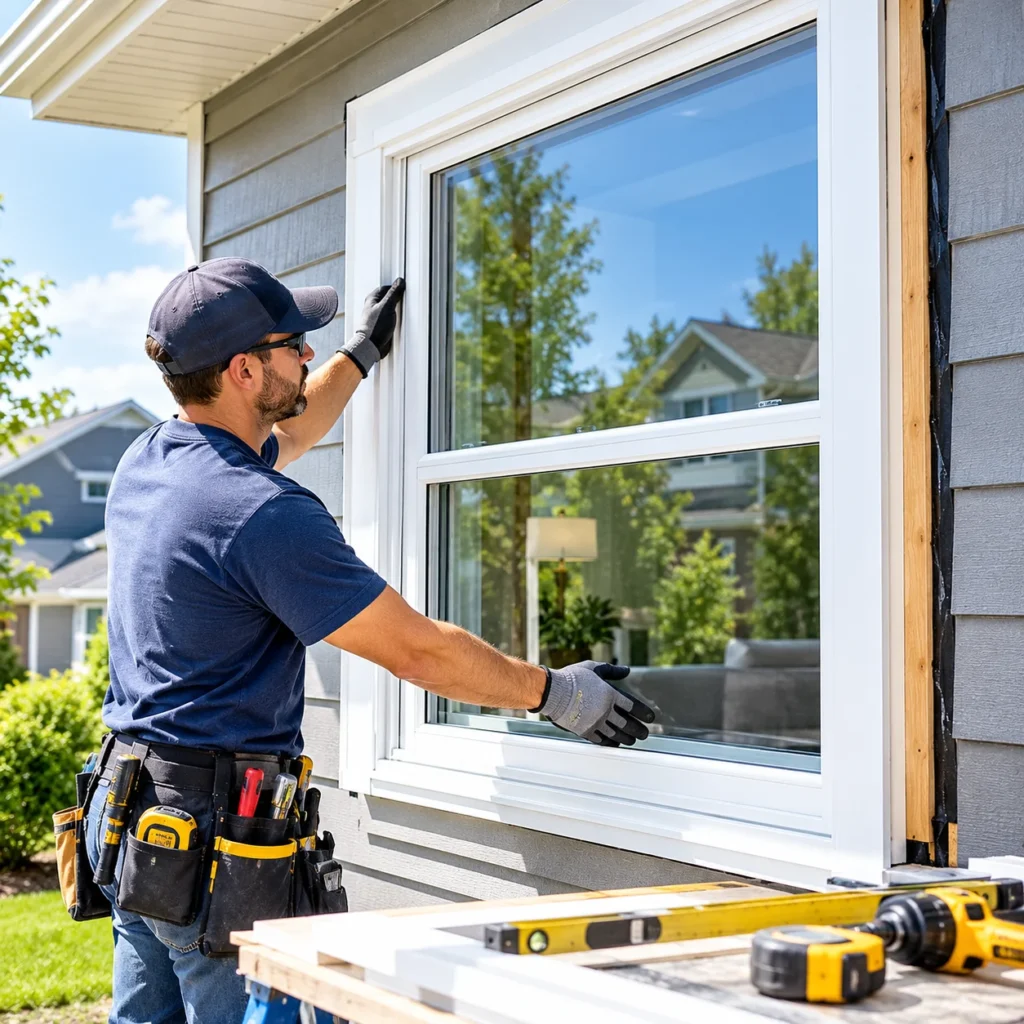
Window replacement can update damaged or aging windows and support a broader home improvement project. Reviewing window dimensions, frame condition, appearance, and compatibility with the surrounding exterior helps clarify the requirements before replacement work is planned.
Decks
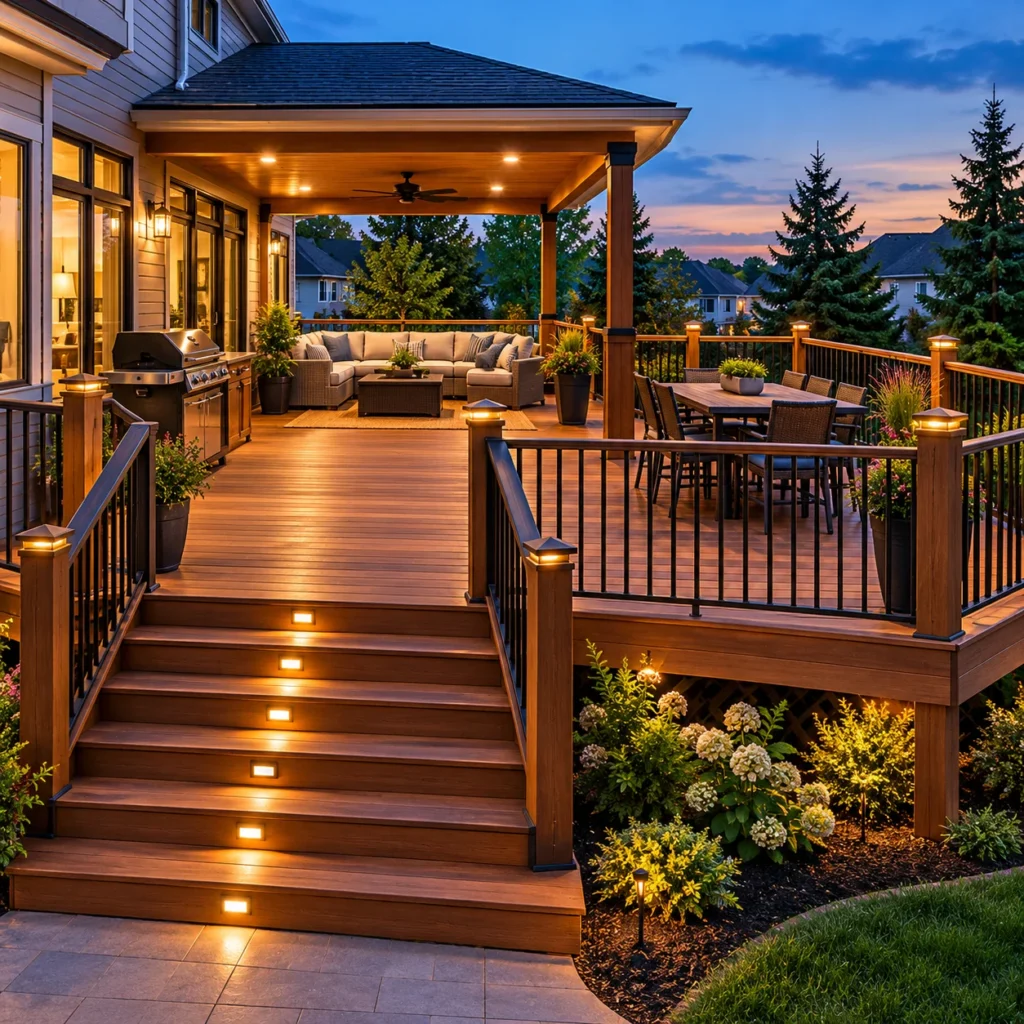
Decks create functional outdoor areas for relaxing, entertaining, and everyday use. Whether you're planning a new deck or updating an existing one, the intended layout, materials, site conditions, and relationship to the home can guide a practical project design.
Screen System
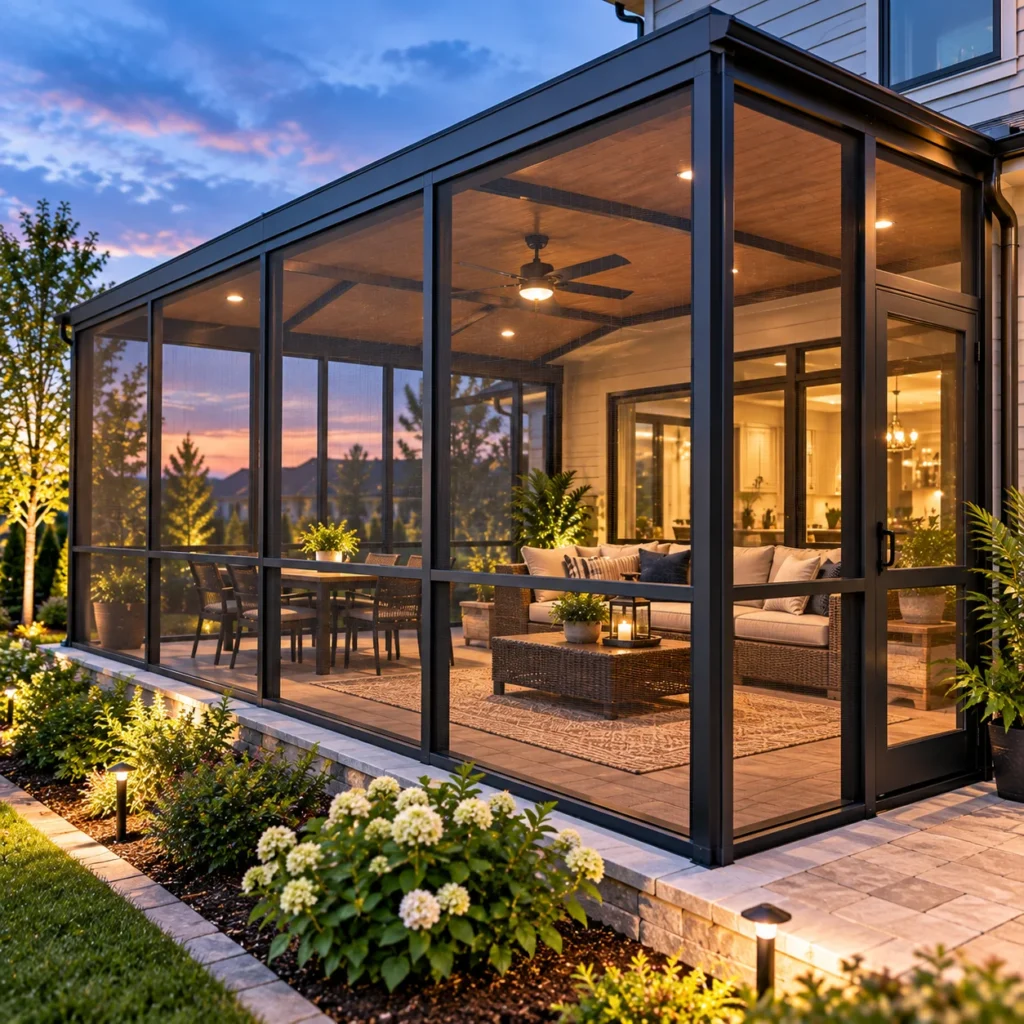
Screen systems can make porches and other outdoor areas more comfortable while preserving visibility and airflow. Choosing an appropriate setup depends on the space's dimensions, intended use, screening preferences, and how the area connects with the rest of the property.
Concrete Slabs
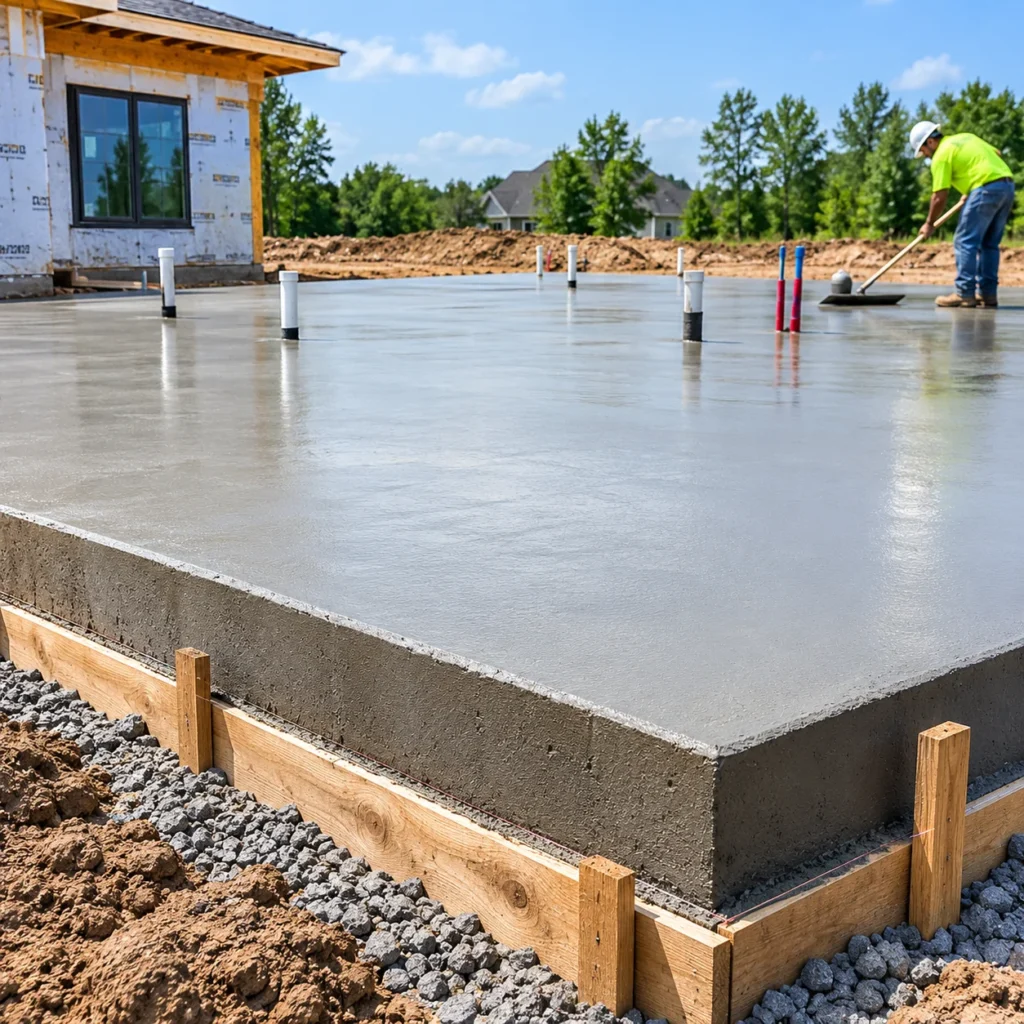
Concrete slabs provide a base for various building, storage, and outdoor projects. Planning involves considering the intended use, site conditions, dimensions, drainage, and connections to nearby structures so the finished slab suits the project's practical requirements.
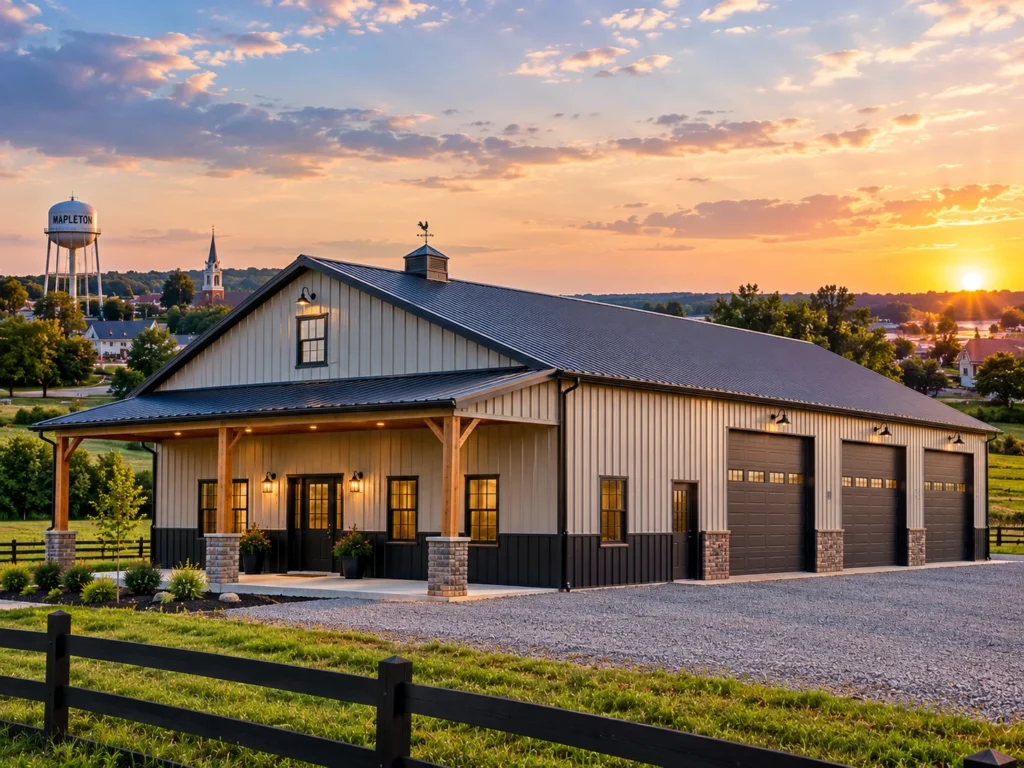
Post Frame Building
Post frame buildings use a structural post framework for workshops, storage, agricultural applications, and other building needs. Project planning can account for the intended use, layout, site conditions, and appropriate roofing and exterior materials to help align the building with its purpose.
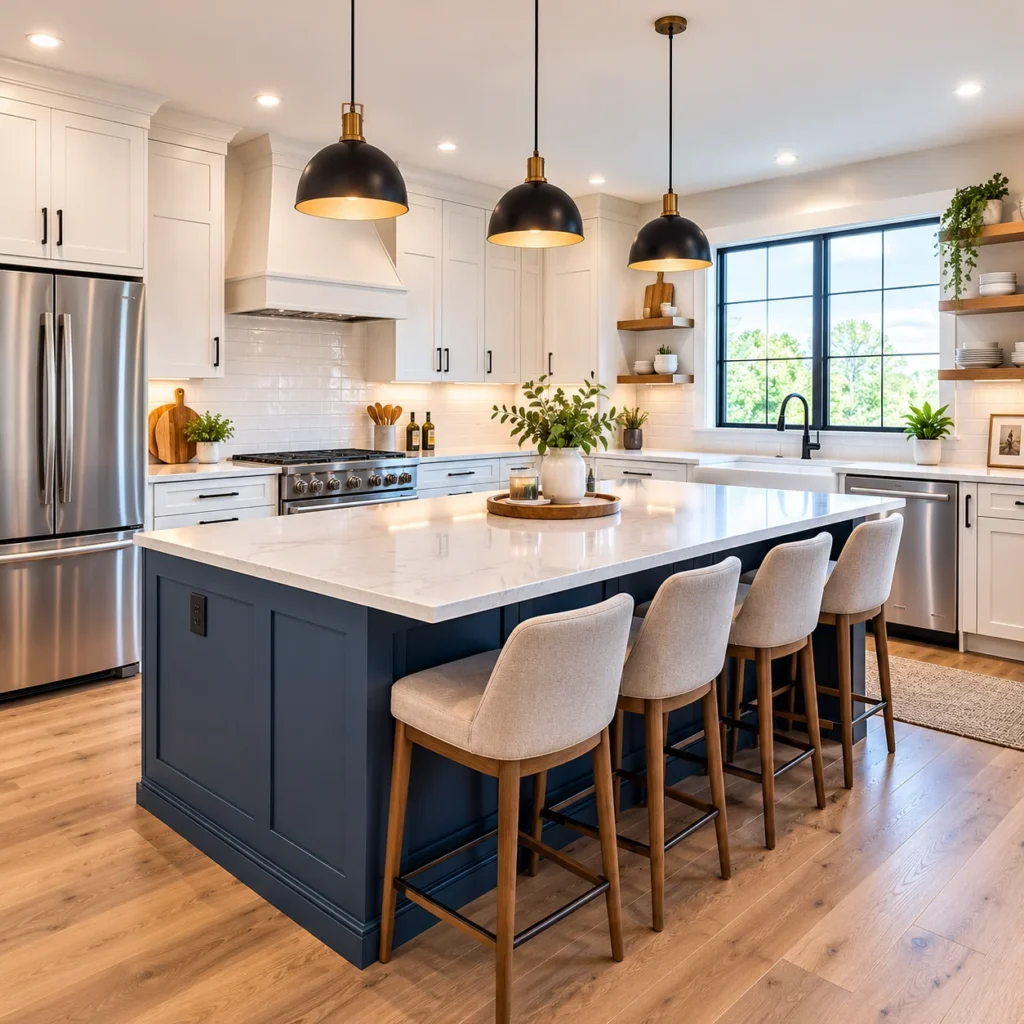
Kitchen Remodeling
Kitchen remodeling can improve a home's layout, storage, finishes, and everyday functionality. Identifying priorities such as workspace, cabinetry, surfaces, and fixtures helps homeowners shape a renovation plan that fits their needs and complements the property's overall design.
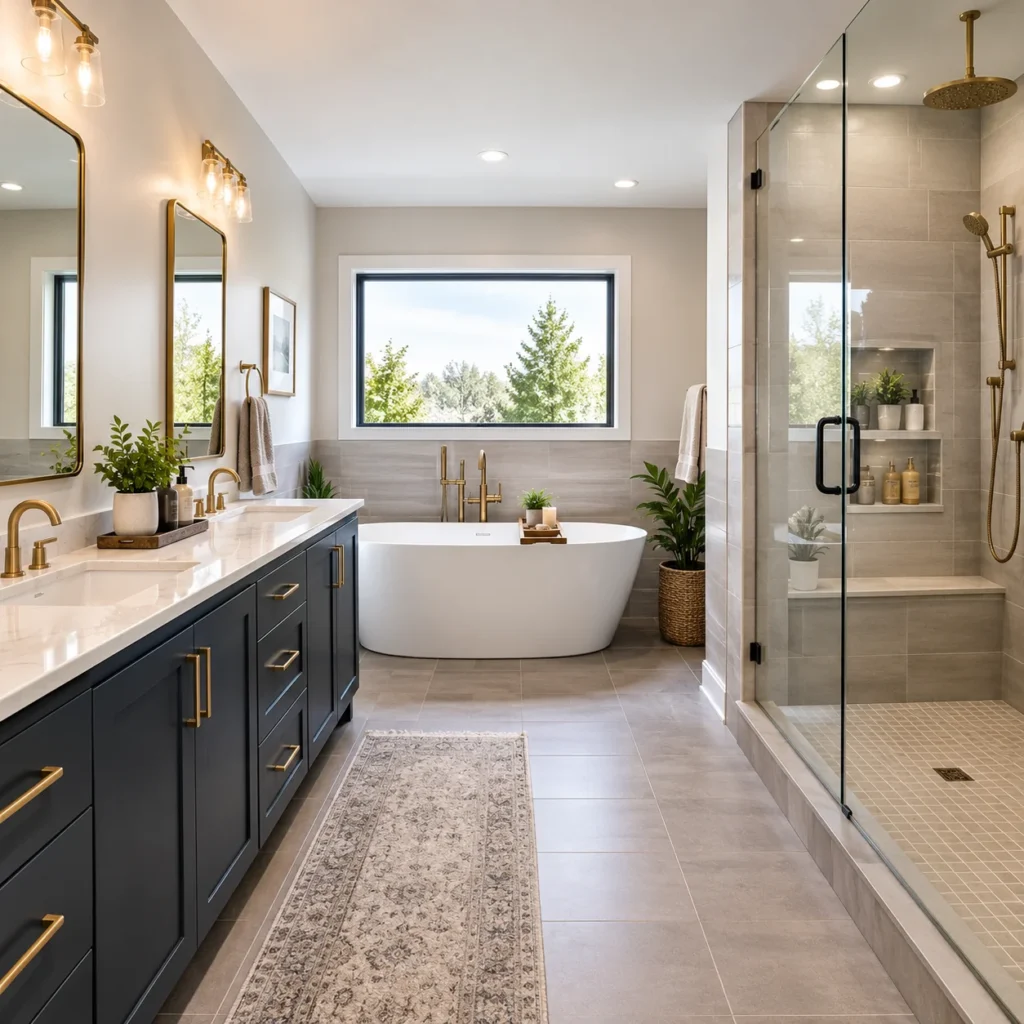
Bathroom Remodeling
Bathroom remodeling can update fixtures, surfaces, storage, and the layout of the space. Considering moisture management, existing conditions, usability, and design preferences helps define the renovation scope and identify improvements that make sense for the household.
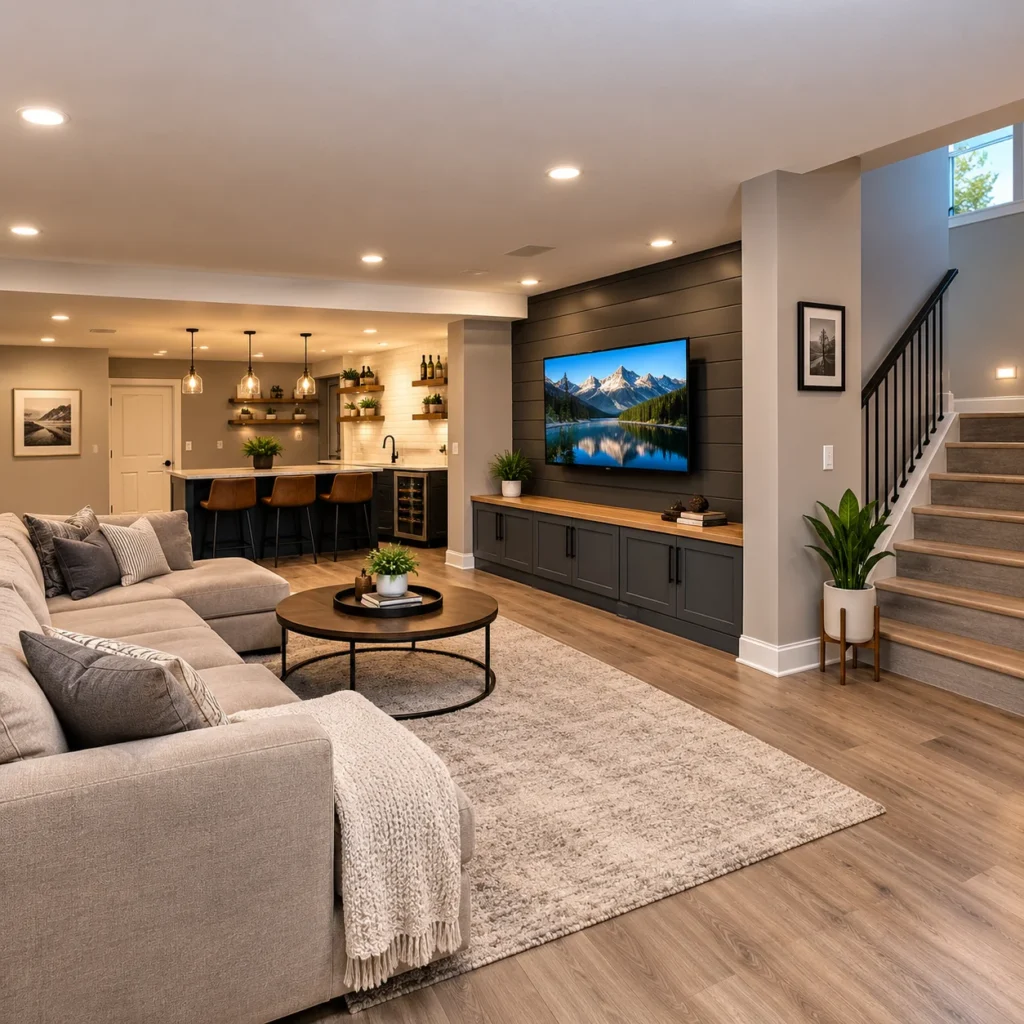
Basement Remodeling
Basement remodeling can transform an underused lower level into a more functional living, recreation, work, or storage space. Planning around the existing layout, moisture conditions, lighting, finishes, and intended use helps establish a renovation approach suited to the property.
Building Permits and Project Responsibilities in Sioux Falls
The City of Sioux Falls lists re-shingling among the projects that require a building permit. Requirements for other roofing installation or replacement work may depend on the project scope and applicable rules. Confirm the requirements for the specific property before work begins.
Before installation begins, confirm the requirements for the specific project with the appropriate city department. Clarify who is responsible for submitting any required application and coordinating inspections. These responsibilities should be clear before the work is scheduled.
The written project scope should also identify which installation tasks are included and which require separate coordination. This helps avoid assumptions about permit handling, concealed damage, or additional work after the roofing materials are removed.
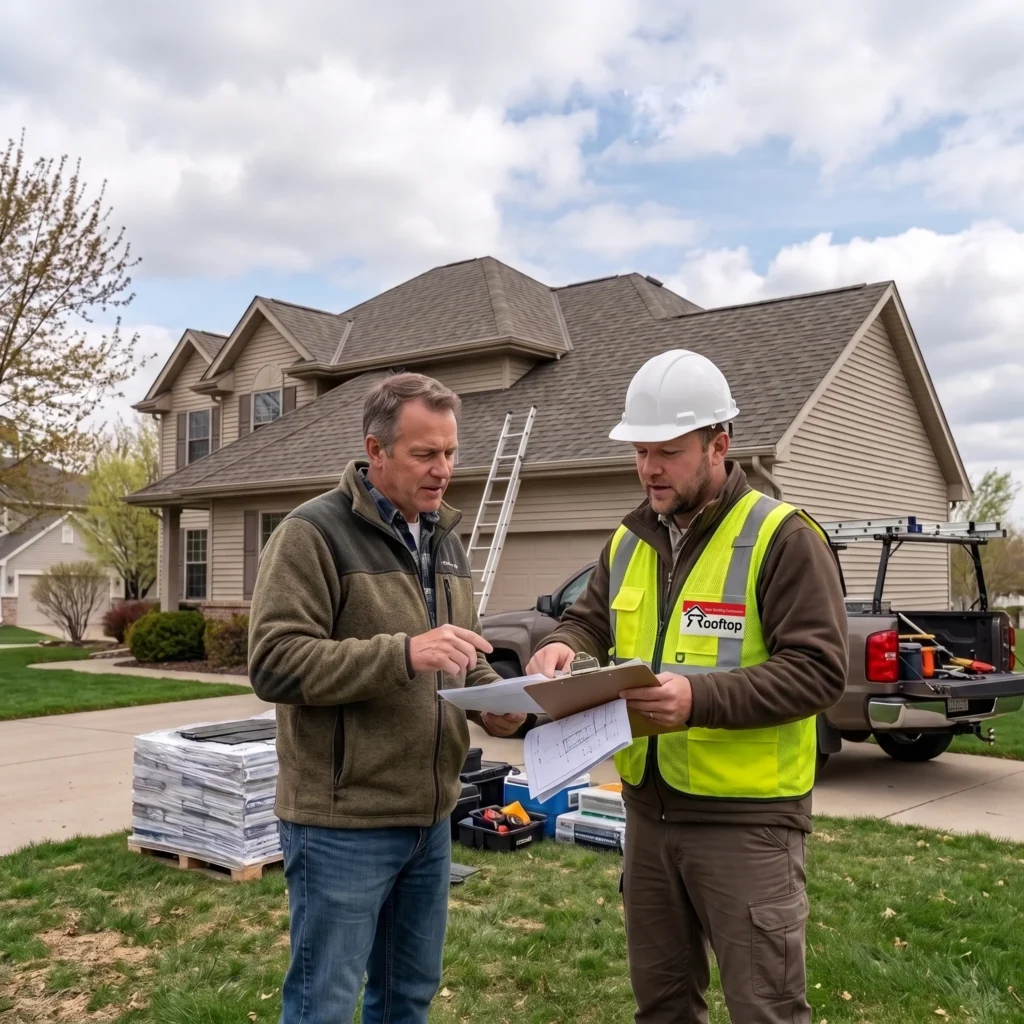
Key Components of a Proper Roofing System
The visible roofing material is only one part of a complete installation. Supporting components help manage water, protect vulnerable transitions, and provide the appropriate foundation for the selected roofing system.
Roof Decking and Preparation
The roof deck supports the roofing materials above it. Before installation, accessible or exposed decking should be assessed for visible deterioration or moisture-related damage. Damaged sections may need repair or replacement before new materials are installed. If decking problems are uncovered during tear-off, the additional work should be documented and handled according to the project agreement. The estimate should make clear whether decking repairs are included, excluded, or dependent on conditions discovered during removal.
Underlayment and Ice and Water Protection
Underlayment provides a protective layer beneath the exterior roofing material. Ice and water protection may also be needed in vulnerable areas, depending on roof design, product instructions, and applicable requirements. The selected materials and placement should be consistent with the roofing system being installed. These details are part of planning a complete roof rather than treating shingles or panels as the only relevant components.
Flashing and Drip Edge
Flashing directs water away from vulnerable transitions around chimneys, vents, walls, skylights, and other roof penetrations. Drip edge helps manage water at roof edges when specified for the system. Careful installation around these locations helps maintain the intended water-shedding path. The appropriate details depend on roof design, materials, and installation requirements.
Roof Ventilation and Attic Moisture
Ventilation, insulation, and air sealing influence airflow and moisture conditions within a building. Where attic moisture or condensation is a concern, these factors should be considered together rather than assuming that adding a vent alone will resolve the problem. The installation plan should account for the existing roof assembly and the ventilation requirements relevant to the property.
Drainage and Roof Design
Roof slope, valleys, edges, gutters, and downspouts influence how water moves away from the building. Commercial low-slope systems require particular attention to drainage layout and vulnerable membrane transitions. The roof's drainage requirements should be considered during material selection and installation planning so that water-management details align with the overall design.
The Roof Installation Process
A well-defined installation process helps property owners understand the work involved, the decisions they need to make, and how changes are handled.
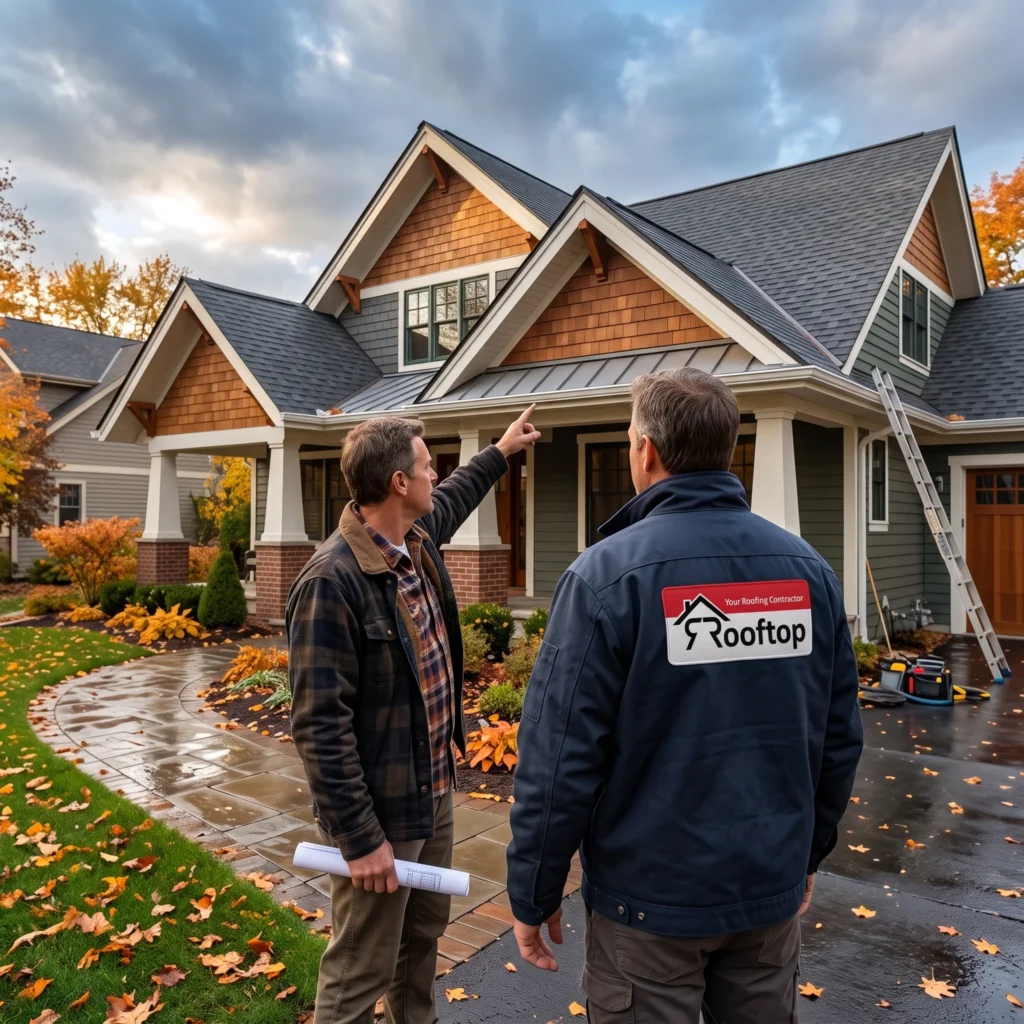
- Consultation and roof assessment: Discuss the project, review the building's requirements, and assess the existing roof where applicable.
- Material selection and estimate: Review suitable roofing options and the proposed scope, including preparation, materials, labor, and known exclusions.
- Permit review and site preparation: Confirm the applicable permit requirements and responsibilities. Prepare the work area to help protect surrounding property from installation debris.
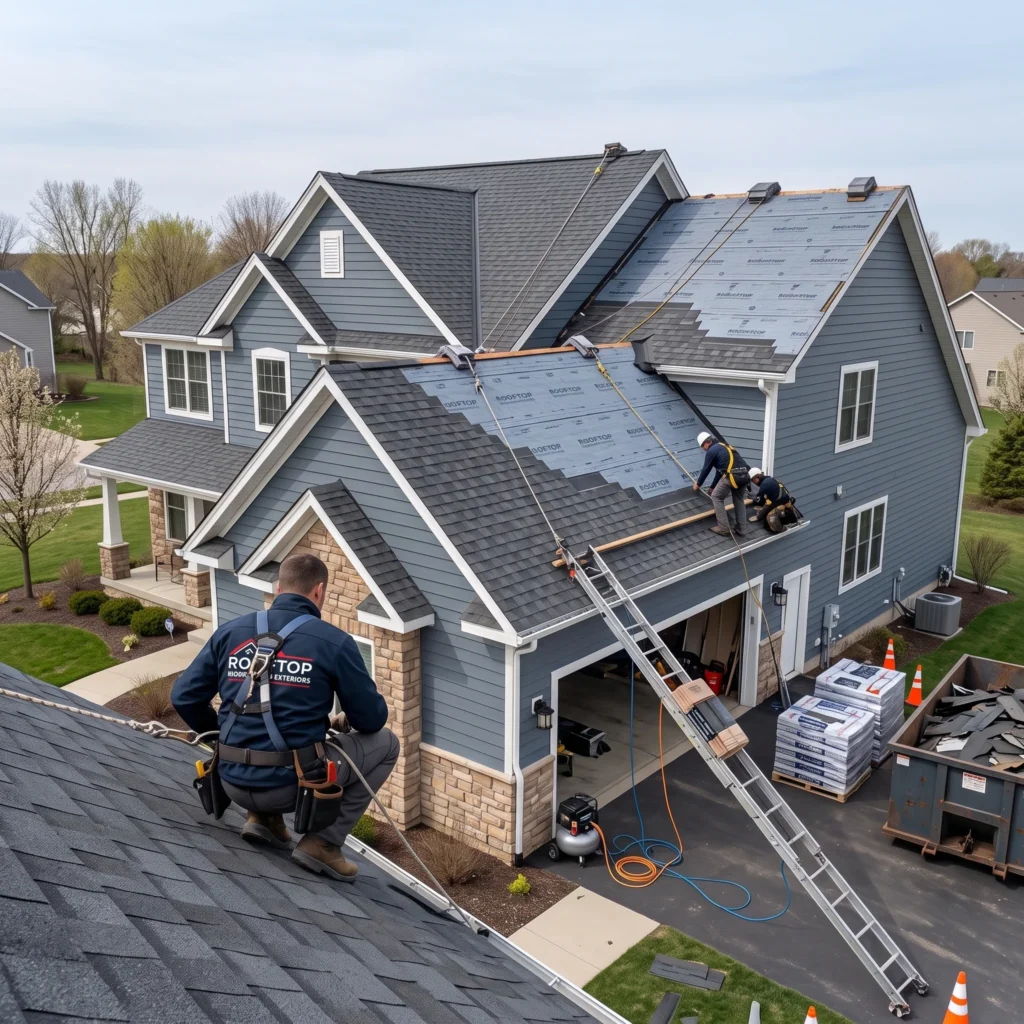
- Roof installation: Complete the agreed work according to the selected roofing system, product specifications, and project scope. Address exposed decking or other additional work according to the agreed approval process.
- Quality review and cleanup: Review the completed installation against the agreed scope and carry out the specified cleanup and disposal.
- Final walkthrough: Discuss the completed work, applicable written warranty documentation, and relevant maintenance considerations.v
The exact sequence and timing depend on the project, roof design, weather, material availability, and any additional work identified during preparation.
Roofing Cost Factors and Project Timeline
Roof installation estimates vary according to the actual project. Roof size, slope, chosen material, existing layers, accessibility, decking condition, flashing details, ventilation requirements, labor, removal, and cleanup can all affect the scope and price.
A useful estimate should identify the work included, materials and labor covered, relevant exclusions, and any items that may require separate approval. If underlying damage cannot be assessed until the existing materials are removed, that uncertainty should be explained before the project begins.
What Affects the Installation Timeline?
Project duration depends on the size and complexity of the roof, material availability, site access, weather, preparation requirements, and any additional decking work. A straightforward installation and a project involving several roof transitions or underlying repairs may follow different schedules. Once the scope and materials have been agreed upon, the expected schedule can be discussed more realistically. A fixed completion date should not be assumed before the relevant project conditions are understood.
Comparing Roofing Estimates
When comparing proposals, review more than the total price. Check which roofing materials are specified, whether existing materials will be removed, how decking damage is handled, which flashing and underlayment components are included, and what cleanup or disposal is covered. Also review the written warranty terms and any exclusions. Comparing estimates on the basis of their actual scope helps property owners understand differences between proposals before approving the work.
Installation, Repair, or Replacement: Choosing the Right Next Step
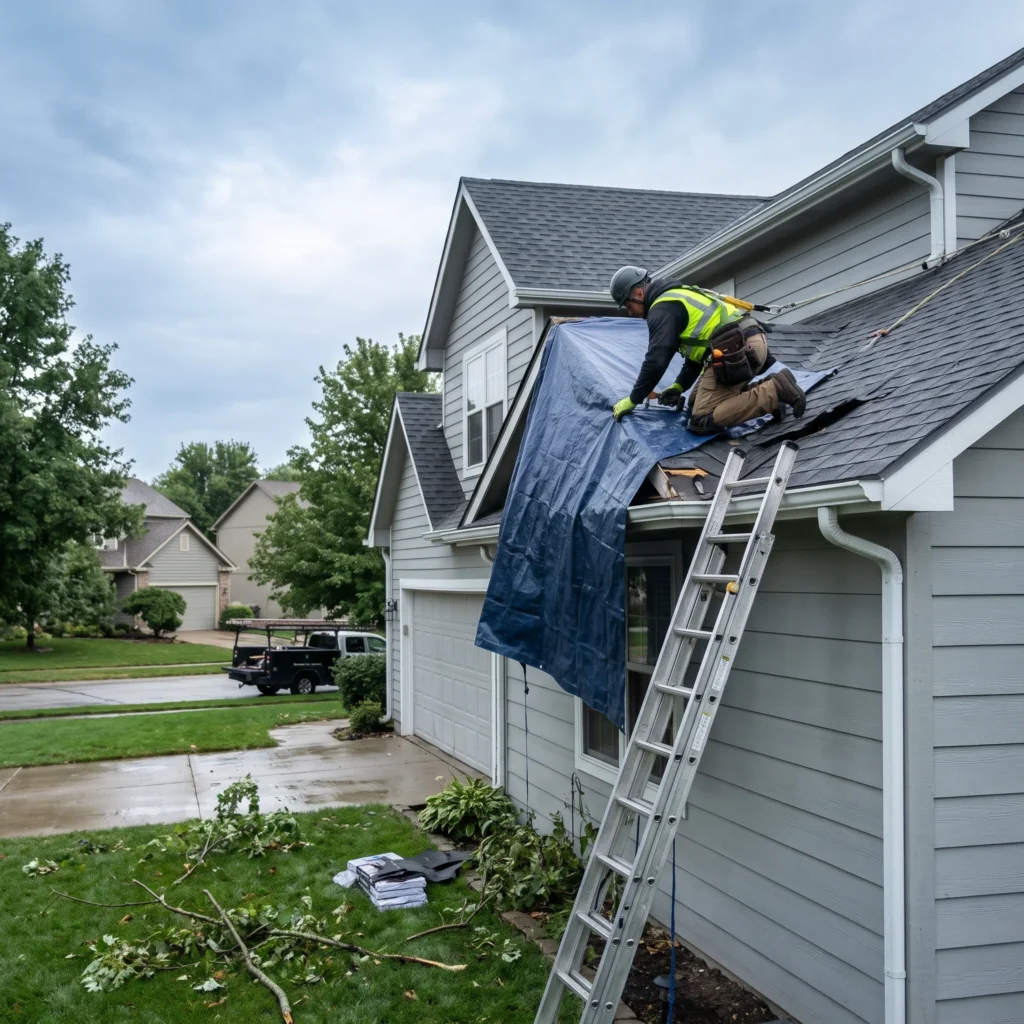
A new installation is appropriate for a project that requires a roofing system for new construction. Replacement is worth considering when the existing roof’s condition or extent of damage calls for a broader project.
When the concern is limited to a particular defect and the surrounding roof remains serviceable, repair may be more suitable. Review our roof repair services in Sioux Falls for information about localized roofing problems.
For an overview of the company’s wider roofing options, visit our roofing services in Sioux Falls page.
Roof Maintenance After Installation
A new roof still benefits from appropriate maintenance. Periodic checks help property owners identify visible wear, drainage concerns, and damage after significant weather.
Pay attention to the condition of visible roofing materials, flashing, roof edges, gutters, and downspouts. If interior moisture, displaced materials, or other warning signs appear, arrange an assessment rather than assuming the roof is unaffected because it was recently installed.
The expected service life of a roof depends on its materials, installation quality, weather exposure, maintenance, and overall building conditions. Manufacturer specifications and the actual condition of the roof provide a more useful basis for maintenance decisions than a single lifespan estimate applied to every material.
Since 2016
Serving Sioux Falls, SD
25+ Years
Combined Roofing & Construction Experience
Why Choose Rooftop Renovation & Exteriors?
Rooftop Renovation & Exteriors is a family-owned roofing and exterior services company that has served the Sioux Falls region since 2016. The company reports more than 25 years of combined roofing and construction experience and provides residential and commercial roof installation. Its installation service information also identifies TPO, EPDM, and built-up roofing among the commercial options offered.
For property owners, a clear estimate and well-defined scope help establish which materials and installation tasks are included, how additional work will be addressed, and what the project schedule covers. Reviewing these details before work begins helps customers compare proposals and understand the responsibilities involved.
Before approving a roofing project, review the written warranty terms for the specific materials and installation agreement. Manufacturer coverage and workmanship coverage may differ, and the applicable conditions should be clear rather than assumed to be identical for every roof.
What Property Owners Say About Rooftop Renovation
 Posted on Google

 Renee Woehl
Trustindex verifies that the original source of the review is Google.
Rooftop recently replaced all shingles and installed a solar attic fan for me. All work was completed satisfactorily and within promised time frames. They did an excellent job of clean-up after work was completed.Posted on Google Annette KinsalaShingles were replaced. I was happy with the process. Workers were very helpful and work was completed in a very timely manner and the yard was cleaned up before they leftPosted on Google
 James HaydenRooftop Renovations did an outstanding job on our home. From start to finish, they communicated clearly and kept us informed every step of the way. They arrived right on schedule and completed the entire project professionally in just one day. We're extremely pleased with the results — thank you!Posted on Google
 Naomi KeneyProfessional, quality, and reliable!Posted on Google
 Jessica FrettyJob well done!Posted on Google
 Matthew SchmidtTyler and team were very professional and friendly. We've used them multiple times and they always do a great job.Posted on Google
 Steve CortinaThey were fast and did a great job. No issues at all. Recommend them to do more work around the statePosted on Google
 SteveNan DeichertVery impressed with this business and the crew. They worked hard, got a big project done efficiently. Appreciate their hard work. The new roofs in our complex look great!!Posted on Google
 Tim DopplerTyler and the crew at Rooftop Renovation are a 5 star organization and I have had two jobs done by them and they are truly fist class in all they so with siding and roofing and gutters. Couldn't recommend them any higher.Posted on Google
 Pete DickersonOur roof replacement was part of a much larger roof replacement project at our condo due to hail damage. We were impressed with the professional Management of all phases of striping and replacing the roof. Excellent attention to such details as proper cleanup
Frequently Asked Questions About Roof Installation in Sioux Falls
Provide the property location, whether the project involves new construction or replacement, the approximate roof size if known, and your preferred roofing material if you have one. For replacement projects, share any known leaks, previous repairs, or visible damage. These details help establish what additional assessment is needed before the scope is finalized.
Decking repair or replacement depends on the condition found and the project scope. If deterioration becomes visible after existing materials are removed, the additional work and cost should be explained before proceeding outside the approved scope. Check the estimate to see whether decking work is included or handled separately.
The suitability of winter installation depends on weather conditions, the selected roofing materials, product requirements, and the work involved. Some materials have specific temperature or installation conditions. The project schedule should account for those requirements rather than assume that every roofing system can be installed in the same conditions.
A manufacturer warranty generally concerns specified product coverage, while a workmanship warranty concerns the installation work under its written terms. Coverage, exclusions, duration, and requirements vary. Review the documents applicable to the selected materials and project before approval.
Compare the specified materials, tear-off and disposal, underlayment, flashing, decking allowances, ventilation details, cleanup, exclusions, and warranty terms. A lower price may represent a different scope of work. Confirming these details makes the proposals easier to evaluate on a like-for-like basis.
Request Roof Installation in Sioux Falls, SD
A successful roof installation starts with a suitable material choice, a clear project scope, and careful attention to the roofing components that support the finished system. Rooftop Renovation & Exteriors provides roof installation for residential and commercial properties in Sioux Falls, with the proposed work based on the building’s needs and the agreed project requirements.
Call 701-751-7833 to discuss your roofing project.
Rooftop Renovation & Exteriors