Steel shingle roof installation combines the familiar appearance of shingles with a metal roofing system designed for residential and commercial applications. Depending on the product, steel shingles may be stone-coated, painted, or formed as interlocking panels.
A properly installed system depends on more than the visible shingles. Roof pitch, deck condition, underlayment, ice protection where required, flashing, fastening, ventilation, drainage, and manufacturer requirements all affect how the completed roof performs.
For properties in Bismarck and surrounding areas, material selection should also account for snow, hail, wind, temperature changes, and long-term maintenance. Rooftop Renovation & Exteriors provides steel shingle roofing installation and helps property owners evaluate the appropriate roofing system for the building.
Need a broader installation assessment? Explore our Roof Installation in Bismarck, ND service.

A steel shingle roof uses formed metal shingles or smaller metal panels instead of conventional asphalt shingles. The individual pieces are designed to create a shingle-style appearance while using steel as the primary roofing material.
Steel roofing shingles can have different constructions and finishes. Some systems use a protective metallic coating over the steel substrate, while others use a painted finish or stone-coated surface. Interlocking steel shingles can also connect at their edges to create a continuous roofing pattern.
The exact performance of a steel shingle roof depends on the product specification and complete roof assembly. That means the material should be evaluated together with its approved installation method rather than judged by the word “steel” alone.
Steel shingle roofing is not a single standardized product. Manufacturers offer different profiles, substrates, coatings, fastening methods, colors, and installation systems.
Stone-coated steel shingles use a steel substrate with a textured stone-granule finish. The finish can provide the appearance of traditional shingles, shakes, or other architectural roofing profiles. The coating system, steel substrate, warranty, impact testing, corrosion protection, and installation requirements vary by manufacturer.
Painted steel shingles use a factory-applied coating designed for the selected product and environment. Premium coating systems may include PVDF-based finishes such as Kynar 500, while other products use different coating technologies such as SMP. The appropriate finish should be selected according to the manufacturer's specifications rather than assuming every painted steel roof has the same coating performance.
Interlocking steel shingles are designed so adjacent pieces connect according to a specific installation pattern. The interlocking configuration can help manage water and wind forces, but the actual performance depends on the complete product system, fastening method, roof geometry, and installation instructions.
Steel shingle roofing can provide a different combination of appearance, durability, maintenance requirements, and weather performance than conventional asphalt roofing. However, it is not automatically the right choice for every property.
There are also considerations to evaluate before installation. Steel shingles can have a higher initial project cost than some asphalt roofing systems. Product-specific fastening and flashing details require careful installation, and damaged pieces may need to be matched to the existing system during future repairs.
The right decision should consider the building, roof geometry, budget, product specifications, expected ownership period, and maintenance preferences.
Serving Bismarck, ND
Combined Roofing & Construction Experience
There is no reliable single price per square foot for every steel shingle roof installation. Project cost depends on the selected product, roof size and complexity, existing roofing layers, deck condition, underlayment and ice-barrier requirements, flashing, ventilation, accessibility, tear-off, disposal, and labor.
A simple roof with good decking can have very different installation requirements from a complex roof with multiple valleys, dormers, penetrations, steep slopes, or damaged decking.
A professional steel shingle roof estimate should therefore identify the major components of the project rather than presenting one generic material price. The estimate should make it clear what is included for preparation, roofing materials, flashing, ventilation, removal, disposal, and other necessary work.
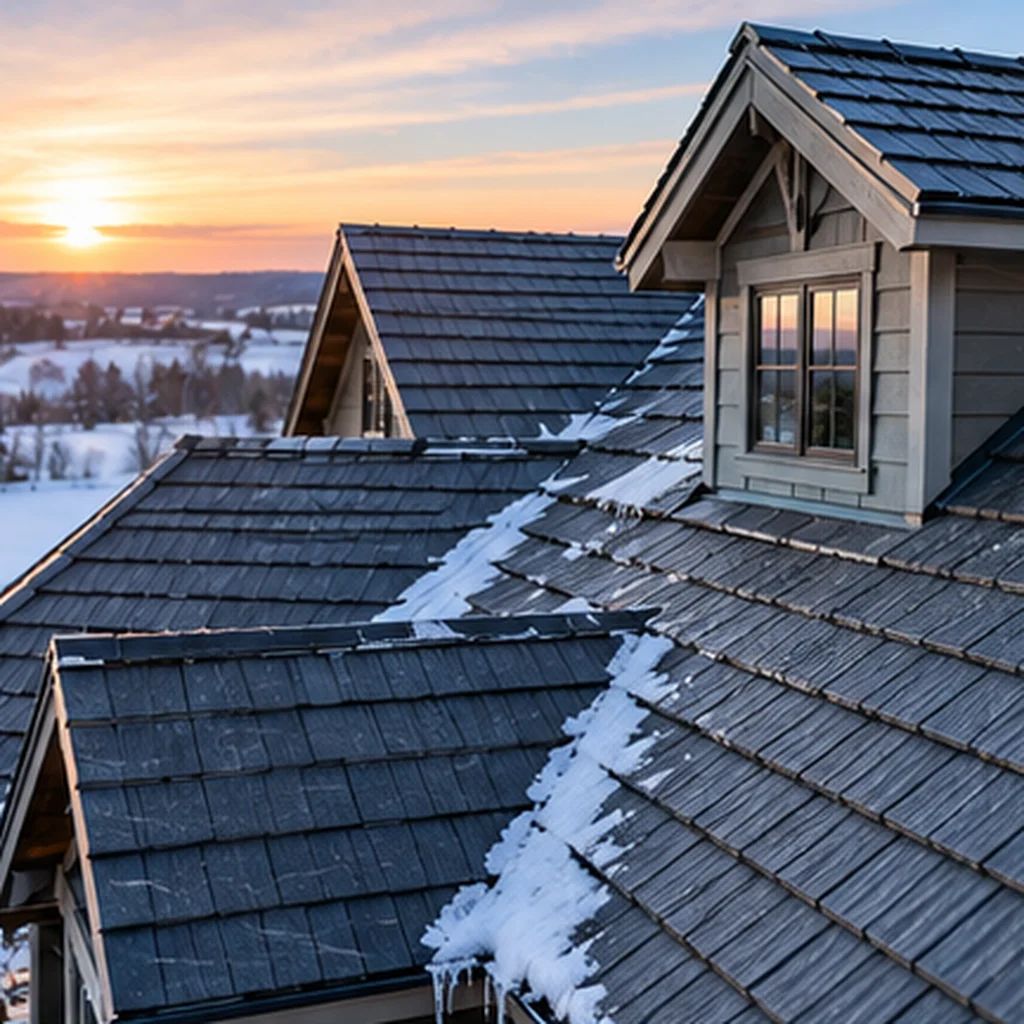
Steel shingle roofing can be considered for Bismarck properties, but climate performance depends on the complete roofing system and the specific product selected.
Bismarck-area roofs must account for seasonal temperature changes, snow, ice, wind, hail, and moisture. These conditions make details such as fastening, flashing, underlayment, drainage, ventilation, and snow management important during planning.
Thermal movement is also relevant to metal roofing. Steel expands and contracts as temperatures change, so the installation method must provide the movement accommodation required by the product.
For winter conditions, the roof should also be evaluated for ice-barrier requirements, snow accumulation, drainage, and areas where snow or ice may concentrate.
The visible steel shingles are only one part of the roof assembly.
Depending on the roof design and product requirements, the system may include:
The underlayment provides secondary water-shedding protection beneath the roof covering. Current residential code provisions recognize underlayment requirements for metal roof shingles, while exact materials and application depend on the applicable code, roof design, and manufacturer instructions.
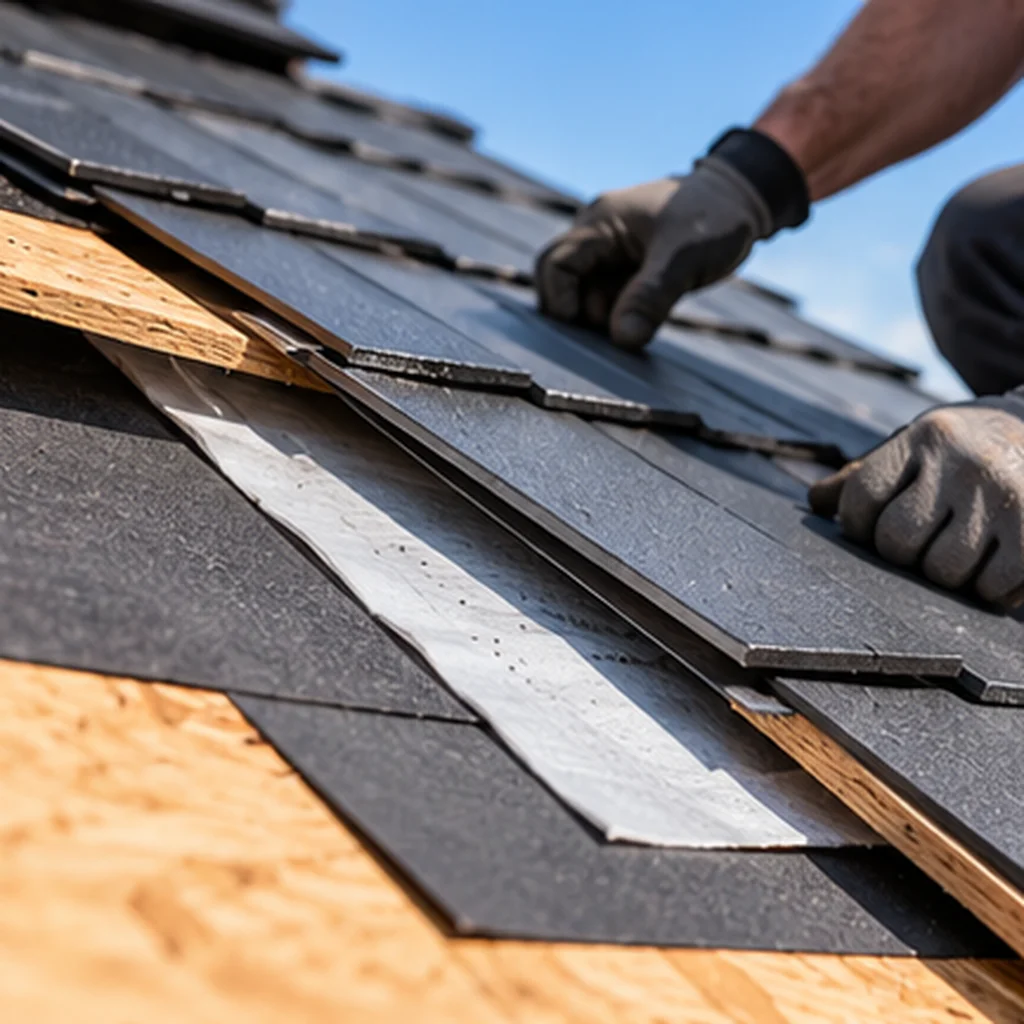
Professional steel shingle roof installation should follow the selected manufacturer’s approved installation method and applicable building requirements.
The existing roof is evaluated for slope, deck condition, drainage, flashing, penetrations, ventilation, and other conditions that could affect the installation.
Damaged or deteriorated decking may need correction before the new roofing system is installed. The final substrate must meet the requirements of the selected product.
Underlayment is installed according to the roofing system, applicable requirements, and manufacturer instructions. Ice protection may also be required in areas where the adopted code calls for it.
Valleys, eaves, rakes, walls, chimneys, skylights, vents, and other penetrations require properly integrated flashing. These areas need to work with the steel shingle layout rather than being treated as separate components.
The shingles or panels are installed according to the manufacturer's specified layout, exposure, fastening method, and sequencing. Interlocking systems must be connected correctly so the intended water-shedding and fastening pattern is maintained.
Ridge and hip components, ventilation, penetrations, and other finishing details are completed according to the selected roofing system.
The completed roof should be checked for alignment, fastening, flashing integration, exposed problem areas, drainage paths, and installation details before the project is considered complete.
Current residential code provisions specifically require metal roof shingles to be installed according to the applicable requirements and approved manufacturer instructions.
Fastening depends on the specific steel shingle system.
Some products use exposed fasteners, while others use concealed fasteners, clips, or interlocking connections. The correct fastening pattern depends on the product, substrate, roof slope, wind requirements, and manufacturer’s installation instructions.
This is particularly important with metal roofing because thermal movement and wind uplift must be considered together. Using a generic screw, nail, clip, or spacing pattern without checking the product documentation can create installation problems.
For this reason, professional installation should follow the exact fastening requirements supplied for the selected steel shingle system.
Steel shingles can offer product-specific resistance characteristics, but ratings should always be tied to the actual roofing system rather than applied universally to all steel shingles.
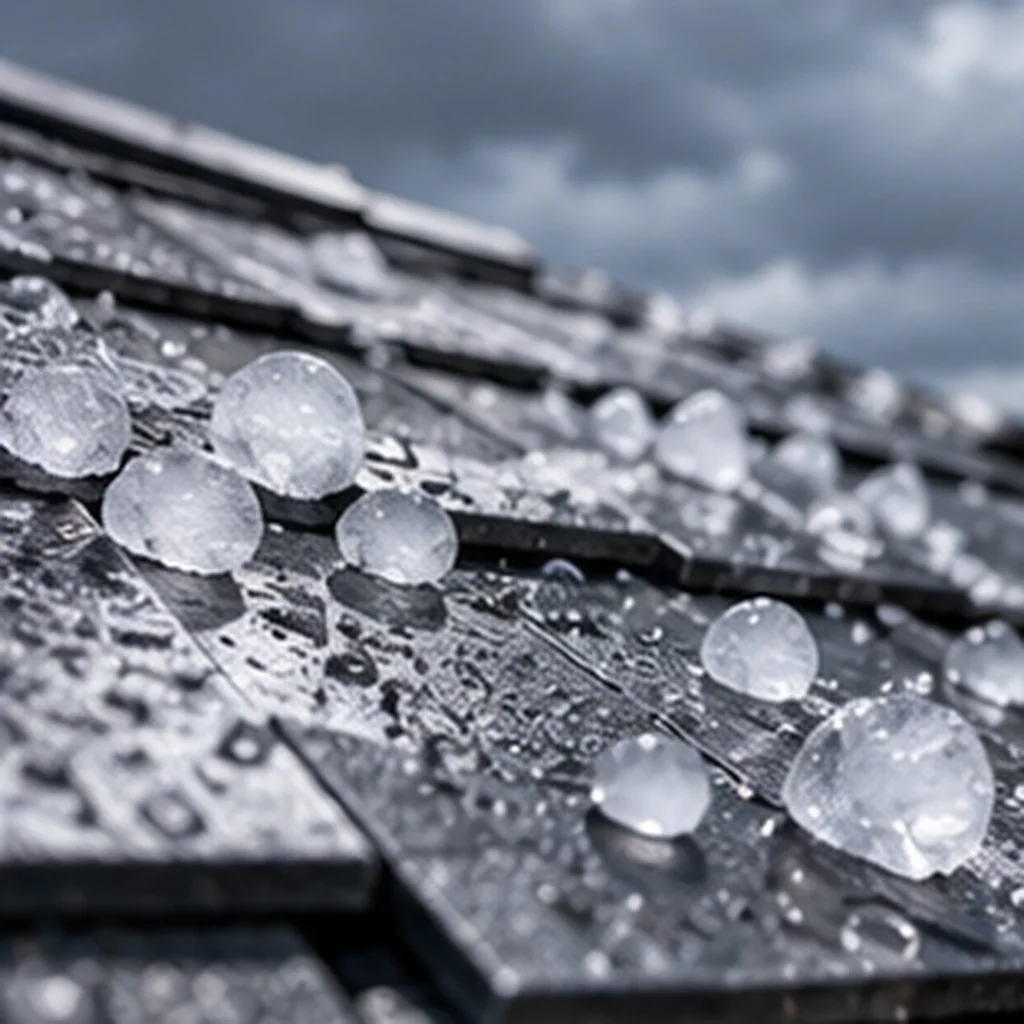
Some steel shingle products are tested for impact resistance. If hail performance is important, review the exact product's published testing and warranty information.
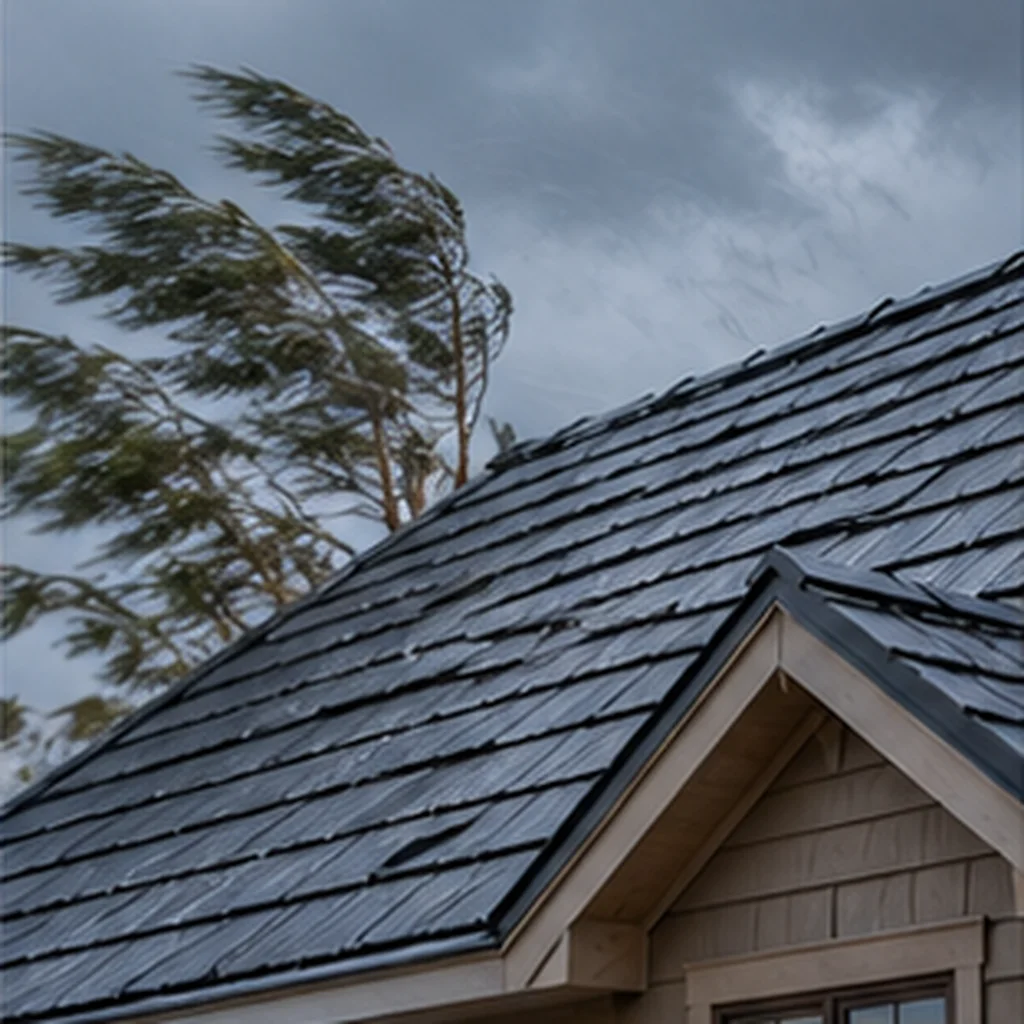
Wind resistance depends on the shingle design, fastening system, roof geometry, installation method, and applicable testing. A steel roof should not be described as having one universal wind rating.
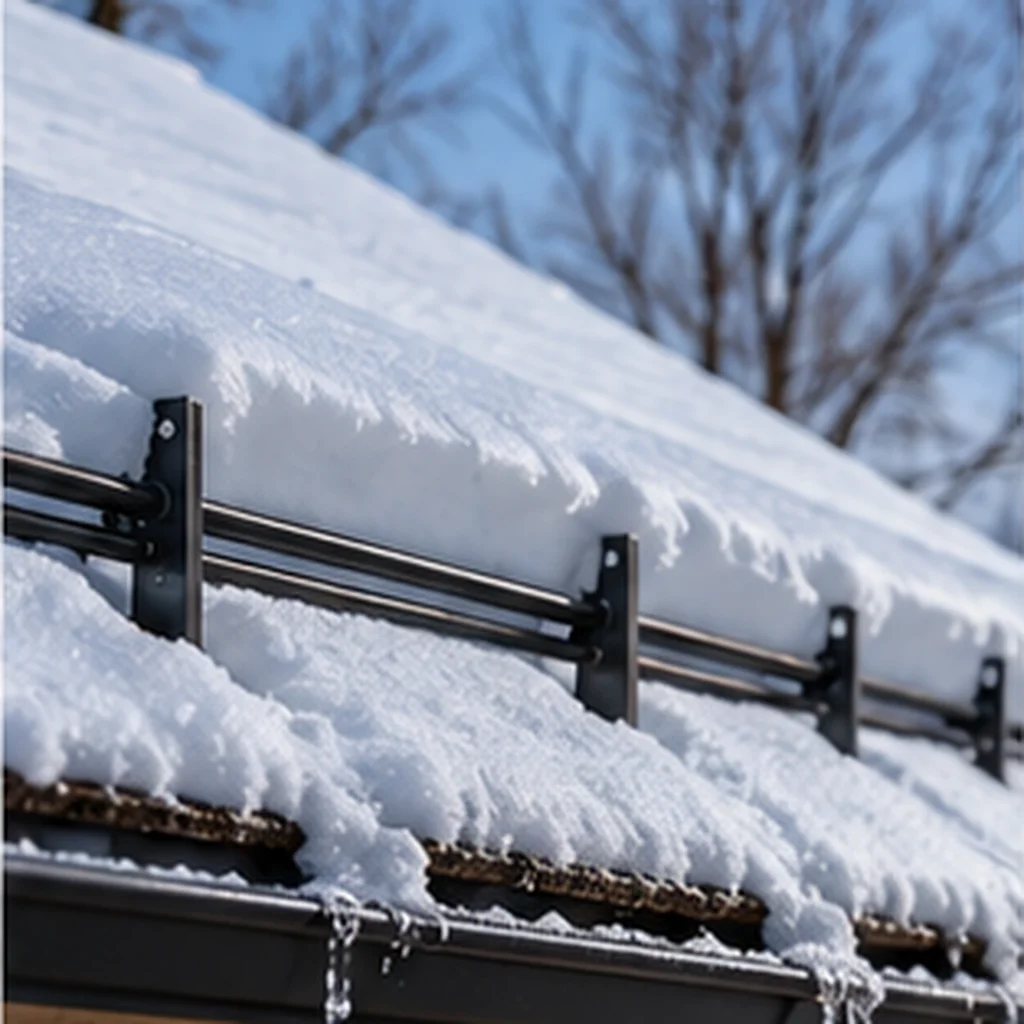
Snow accumulation, drifting, sliding snow, and ice can affect roof edges, valleys, drainage, and structures below the roof. Snow-retention or snow-management components may be appropriate for some roof designs.
Steel itself is noncombustible, but the fire classification of a completed roof assembly can depend on the product and system tested. The applicable product documentation and local requirements should be reviewed before making a fire-rating claim.
Steel shingle roofing generally requires routine observation rather than treating maintenance as completely unnecessary.
A maintenance plan can include:
Do not assume that a steel roof can never be damaged. Severe hail, falling debris, installation problems, corrosion, damaged coatings, or movement at roof details can still create repair needs.
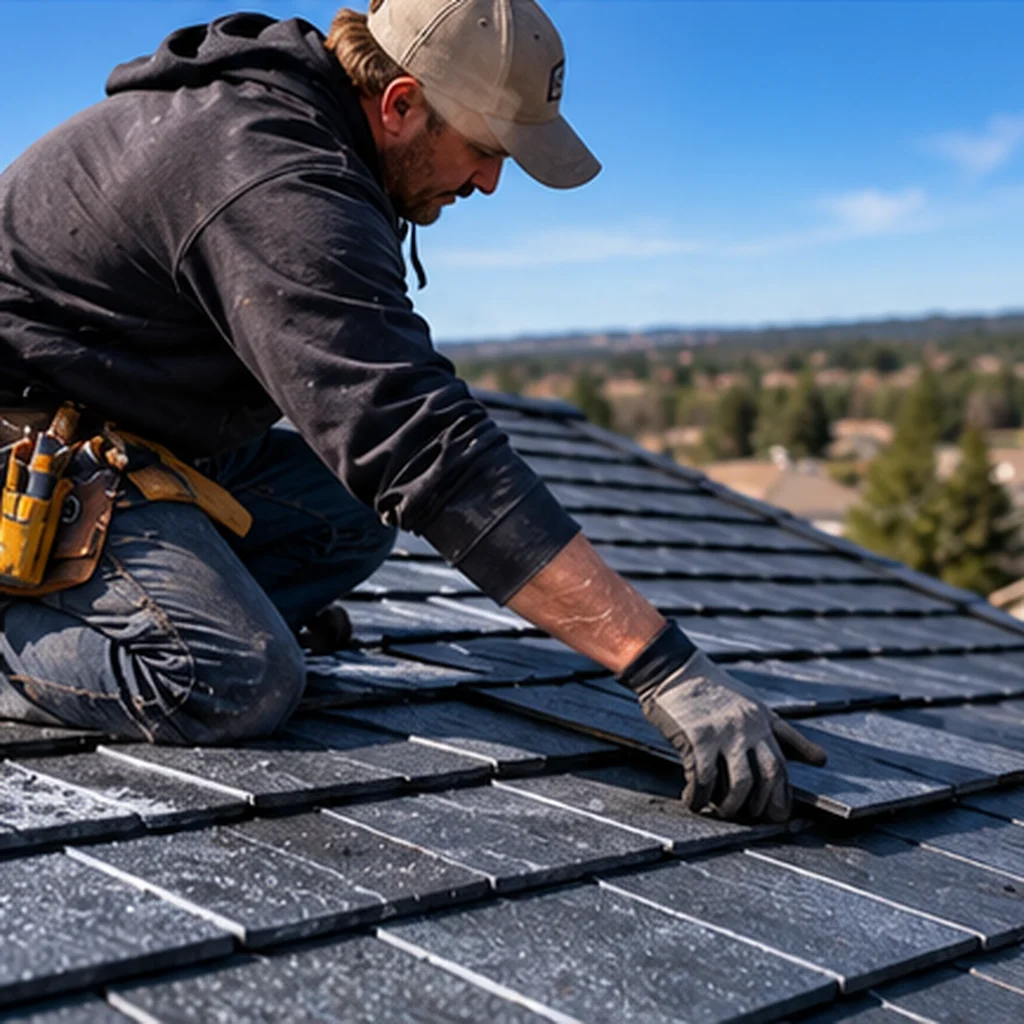
A localized repair may be appropriate when damage is limited and compatible replacement materials are available.
Replacement may become more practical when damage is widespread, the roof has reached the end of its useful service period, recurring leaks indicate broader system problems, or the existing roofing system can no longer be reliably repaired.
A proper inspection should evaluate more than the visible damaged shingle. The surrounding roofing, underlayment, flashing, fasteners, penetrations, ventilation, drainage, and accessible decking may all contribute to the problem.
If your steel roof has storm or localized damage, you can also review our Roof Repair in Bismarck, ND service.
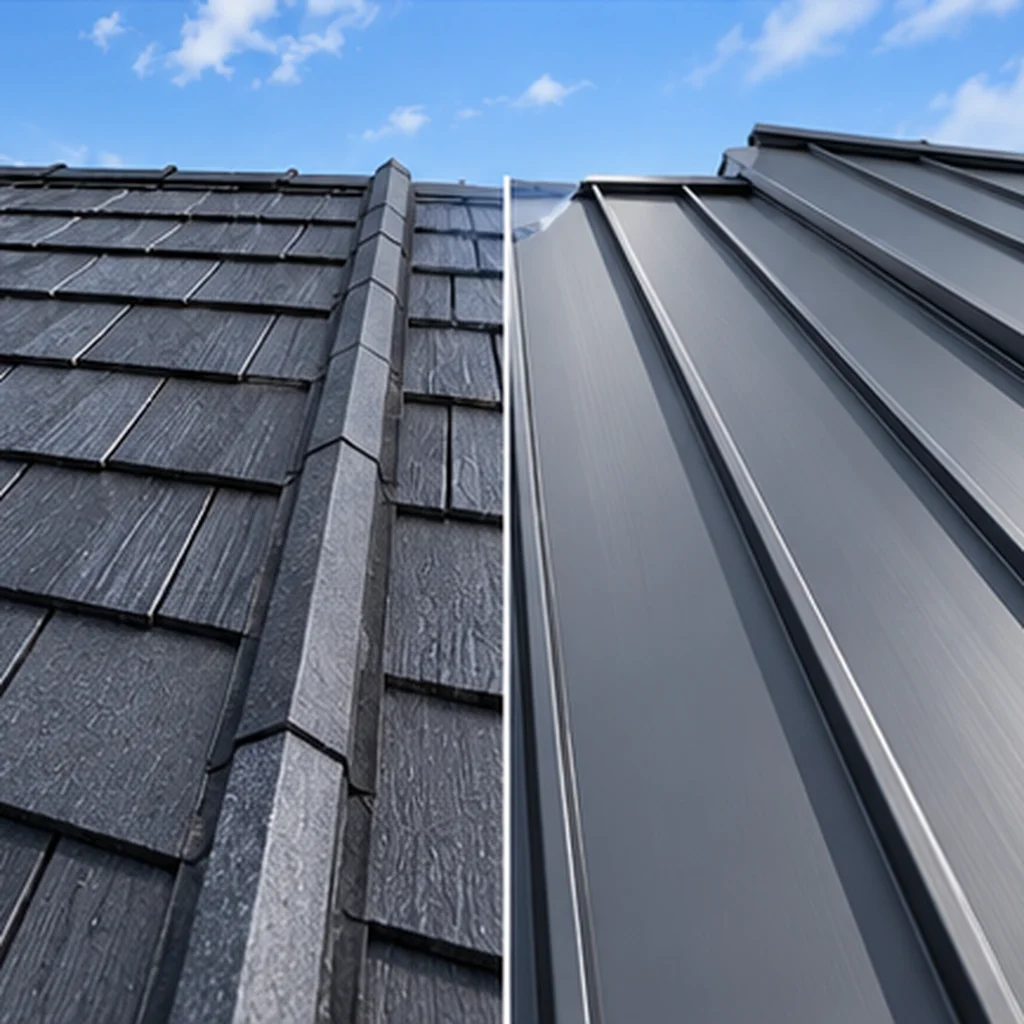
Steel shingles and standing seam metal roofing are both metal roofing systems, but they serve different design and installation purposes.
Steel shingles are smaller, formed units or panels that create a shingle-style appearance. They may be stone-coated, painted, or interlocking depending on the product.
Standing seam roofing uses longer panels with raised seams and a different fastening and movement-management system.
The better fit depends on roof geometry, architectural appearance, installation requirements, budget, and the property owner’s priorities. One system should not be treated as universally better than the other.
Rooftop Renovation & Exteriors serves the Bismarck–Mandan region and provides residential and commercial roofing services. The company states that it has served the area since 2016 and has more than 25 years of combined roofing and construction experience.
For a steel shingle project, the important part is not simply selecting a metal-looking roof. The roofing system must be planned around the existing structure, roof geometry, material specifications, weather exposure, flashing, underlayment, ventilation, and fastening requirements.
Our approach is to evaluate those connected components and explain the available installation or replacement options before work begins.
Steel shingles are a type of metal roofing shingle. “Metal shingle” is the broader term and can include roofing shingles manufactured from different metals. The substrate, coating, profile, and installation method should be confirmed for the specific product.
Yes. Stone-coated steel shingles use a textured stone-granule finish, while painted steel shingles use a factory-applied coating system. Their appearance, maintenance requirements, testing, warranty, and installation specifications can differ by manufacturer.
It depends on the selected product, existing roof condition, building code, and manufacturer’s instructions. Some roofing systems are designed for reroofing applications, while others require removal of existing materials. The existing deck and roof assembly must be evaluated before deciding.
They can be suitable for cold climates when the product and installation system are appropriate for the property. Snow management, ice protection, flashing, ventilation, fastening, drainage, and thermal movement all need to be considered.
Some steel shingle products are tested for impact resistance, but performance varies by product. If hail resistance is a major consideration, review the exact product’s published testing and warranty rather than assuming every steel shingle has the same rating.
There is no single lifespan that applies to every steel shingle system. Service life depends on the steel substrate, coating, environment, installation quality, maintenance, weather exposure, and manufacturer specifications.
The initial installation cost can be higher than some asphalt roofing systems because steel shingles involve different materials, accessories, labor, and installation requirements. The actual price depends on the individual project and selected product.
Individual or localized replacement may be possible when the roofing system and replacement materials allow it. The replacement piece should be compatible with the existing profile, finish, fastening method, and installation system.
A steel shingle roof should be selected and installed as a complete roofing system—not simply as a metal covering. Rooftop Renovation & Exteriors can evaluate your existing roof, discuss suitable steel shingle options, and explain the installation requirements for your property.
Contact Rooftop Renovation & Exteriors for a Steel Shingle Roof Estimate
