
Roof Inspection in Jamestown, ND
Rooftop Renovation & Exteriors provides professional roof inspections in Jamestown, ND, for residential and commercial properties. An inspection helps property owners understand the visible condition of their roofing system, identify areas that need attention, and make informed decisions about maintenance, repairs, or future roofing work.
Roof concerns are not always obvious from the ground. Aging shingles, deteriorated flashing, drainage problems, moisture evidence, and storm-related damage can develop before a significant leak becomes visible inside the property. A professional roof condition assessment helps connect observable signs with the condition of the surrounding roofing components.
Whether you have noticed a leak, experienced severe weather, purchased a property, or want to understand an aging roof, the first step is to establish what can be identified within the inspection scope. Request a roof inspection in Jamestown to discuss your property and the concerns you would like evaluated.
Rooftop Renovation & Exteriors

What a Roof Inspection Is Designed to Establish
A roof inspection helps property owners understand the visible condition of accessible roofing components and identify areas that may need maintenance, repair, monitoring, or further evaluation. It provides information to support a practical decision rather than automatically recommending major roofing work.
Roof age, material type, previous repairs, weather exposure, drainage, flashing, and accessible interior conditions can all influence how inspection findings are interpreted. The appropriate next step should reflect the observed condition and the scope of the assessment.
Roofing Components Covered by the Assessment
A roofing system depends on several components working together. The inspection scope can vary according to the building, roofing material, roof configuration, accessibility, and reason for the visit.v
Roof Covering and Surface Materials
Shingles, metal panels, membranes, and other exposed materials may be reviewed for visible wear, displacement, cracking, curling, deterioration, or other signs of damage. On shingle roofs, the condition of exposed surfaces and affected roof sections can help identify areas that may need further attention.
Flashing, Joints, and Roof Transitions
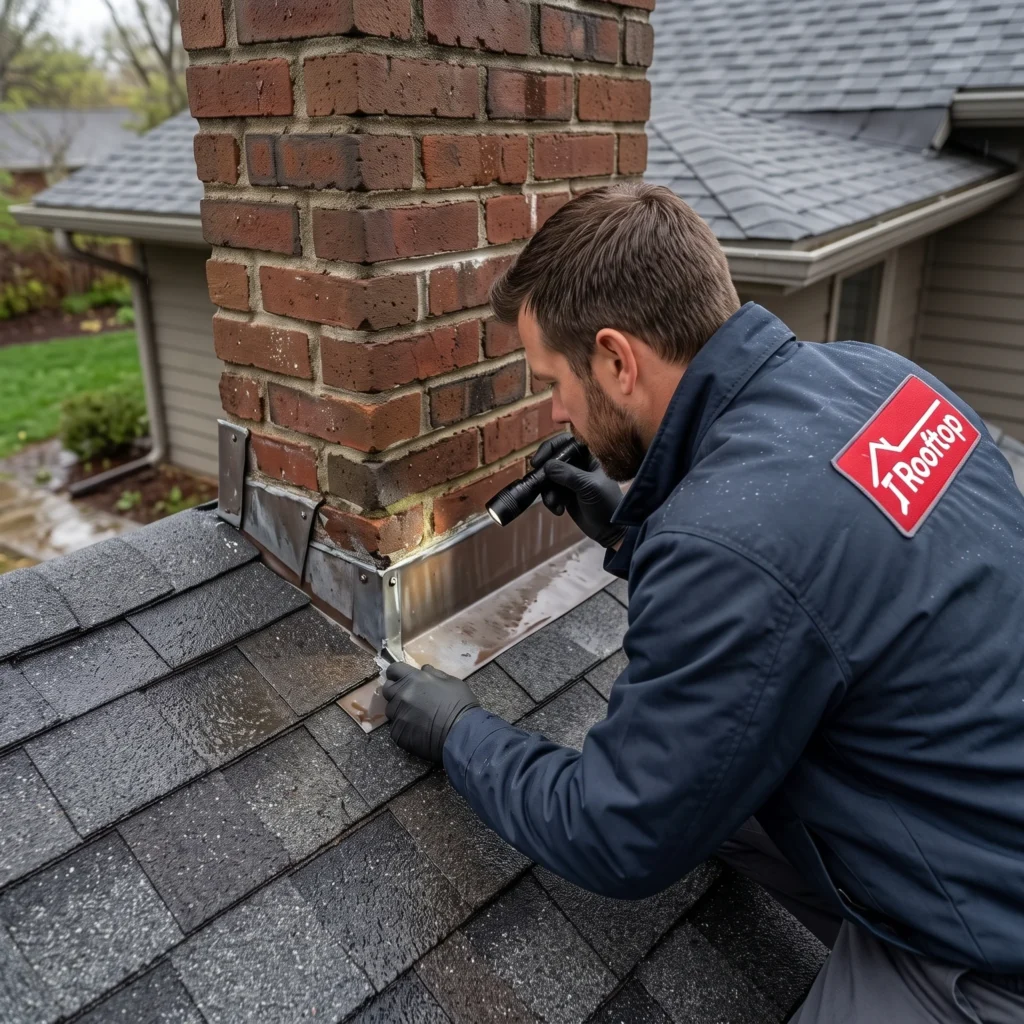
Flashing helps manage water where roofing materials meet walls, chimneys, skylights, valleys, and other transitions. Visible separation, deterioration, damaged metal, or failing sealant may indicate a point that needs closer evaluation.
Roof Edges, Gutters, and Drainage
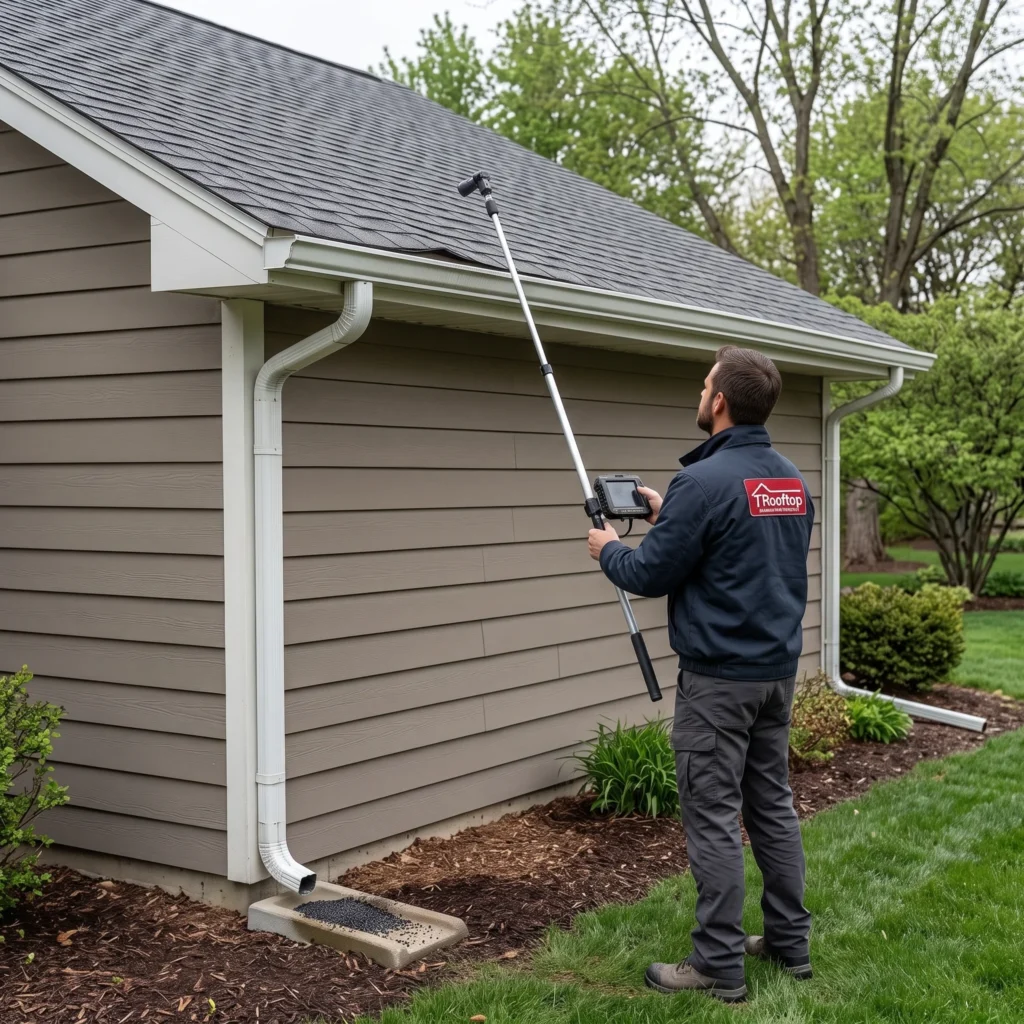
Roof edges, gutters, downspouts, drains, and accessible drainage paths may be examined for visible damage or conditions that interfere with water movement. Drainage concerns matter because water that does not move away as intended can increase exposure around vulnerable roofing components.
Roof Penetrations and Attached Equipment
Vents, pipes, chimneys, skylights, and other openings interrupt the roof surface. The surrounding materials and flashing can therefore be important parts of an inspection, particularly when a leak or moisture concern has been reported.
Accessible Supporting Areas and the Attic
Where access permits, an inspection may include visible signs of moisture, deterioration, sagging, or other concerns affecting accessible supporting areas. An attic review may also reveal water stains, damp insulation, condensation evidence, or ventilation conditions connected to the roof.
Conditions That May Warrant Closer Evaluation
A professional inspection can help clarify whether a visible change represents routine aging, localized damage, or a concern requiring timely attention.
Common reasons for a closer assessment include:
- Missing, lifted, cracked, curled, or deteriorated roofing materials.
- Water stains, recurring leaks, or other evidence of moisture intrusion.
- Flashing damage or visible separation around roof transitions.
- Hail marks, wind-related displacement, or other suspected storm damage.
- Gutter, drain, or runoff concerns that may affect roof performance.
- Visible deterioration, sagging, or moisture-related changes in accessible areas.
The significance of each finding depends on its location, extent, surrounding roof condition, and potential impact on the roofing system. A small defect should not automatically be treated as evidence that an entire roof has failed. Similarly, limited visible damage does not always establish that the rest of the roof is unaffected.
An appropriate roof damage assessment considers the available evidence before recommending a next step.
Leak Investigation and Source Assessment
A water stain on an interior ceiling can provide an important clue, but its position does not always identify the point where water entered the roofing system. Moisture may move along materials or accessible structural surfaces before becoming noticeable inside.
A roof leak inspection therefore considers the reported location along with nearby roofing materials, roof transitions, penetrations, drainage paths, and accessible interior or attic evidence. Previous repairs and the timing of the leak may also help explain the condition.
For example, a recurring stain may be associated with a nearby flashing problem, but the connection should be evaluated rather than assumed. The same principle applies when a leak appears only during particular weather conditions.
The objective is to understand the available evidence and identify the roof condition most likely contributing to the problem. If the findings point to a localized defect, roof repair in Jamestown may be an appropriate next step. The required repair should be determined from the actual condition rather than the interior symptom alone.
When Should You Arrange a Roof Inspection in Jamestown?
Consider scheduling a roof inspection when the roof’s condition is uncertain or a visible change raises concern.
Common reasons include:
- Missing, lifted, cracked, or deteriorated roofing materials.
- Water stains, recurring leaks, damaged flashing, or moisture evidence.
- Suspected damage after hail, strong winds, heavy snow, or ice exposure.
- An aging roof with an uncertain maintenance or repair history.
- A roof assessment before buying, selling, or refinancing a property.
- A new concern following previous roofing work.
The inspection scope should reflect the reason for the appointment, the roofing system, and the areas that can be accessed safely. Roof age alone does not establish that replacement is necessary; the material condition and available evidence also matter.
Roof Inspection Process and Report
A professional roof inspection begins with a discussion of the property’s condition, known roofing concerns, previous repairs, and the reason for requesting an assessment. This information helps determine which areas need attention and what can be evaluated safely.
Inspection and Condition Assessment
The inspection may include accessible roofing materials, flashing, roof edges, gutters, penetrations, drainage paths, and other relevant components. An interior or attic review may also be included when access is available and falls within the agreed scope.
The assessment focuses on observable conditions, including material deterioration, signs of moisture, visible damage, and areas that may require further evaluation. The inspection method depends on the roof’s design, materials, accessibility, weather, and safety conditions.
Findings and Inspection Report
After the assessment, the findings should explain the observed conditions, the affected areas, and the appropriate next steps. Depending on the agreed scope, the report may include photographs, descriptions of visible concerns, and recommendations for maintenance, monitoring, repair, or further evaluation.
It is important to distinguish observed conditions from conclusions that require additional investigation. For example, a photograph may show discoloration or deterioration without establishing its exact cause.
Scope and Limitations
The inspection scope depends on the roof’s height, slope, materials, configuration, accessibility, weather, and safety conditions. Some areas may not be safe or accessible for direct examination. These limitations should be explained so property owners understand which areas were assessed and where further evaluation may be necessary.
A contractor’s roof inspection does not replace a formal structural engineering assessment, a comprehensive building inspection, or a municipal inspection associated with permitted construction work. The appropriate evaluation depends on the concern being investigated.
Inspection findings document observable roof conditions but do not determine insurance coverage. Coverage decisions depend on the applicable policy and the insurer’s review.
Seasonal Weather Exposure and Roof Condition
Jamestown’s seasonal weather can expose roofing systems to snow, ice, hail, wind, temperature changes, and summer sun. These conditions may affect exposed materials, drainage, flashing, joints, and sealants over time.
An inspection should focus on visible evidence and the actual condition of the roofing system. Weather exposure alone does not establish that damage has occurred or that replacement is needed.
Safe Steps After Suspected Roof Damage
Check for visible changes from the ground or another secure location, and take photographs when it is safe to do so. Note when the concern appeared and any relevant changes you observed. Do not climb onto a potentially damaged or hazardous roof to investigate it yourself.
A professional assessment can help determine which accessible areas require further attention and what follow-up may be appropriate.
Using Inspection Findings to Choose the Next Roofing Service
The next step depends on the extent of the observed condition and the suitability of the surrounding roofing system.
Maintenance and Monitoring
When no significant defect requiring immediate work is identified, routine maintenance and periodic condition monitoring may be appropriate.
Targeted Roof Repair
A localized problem involving damaged materials, flashing, or a specific leak may be suitable for repair when the surrounding roofing system remains in serviceable condition. See our roof repair in Jamestown page for repair-specific information.
Storm-Related Roofing Work
When suspected hail, wind, snow, or ice-related damage is identified, additional assessment may help establish the appropriate scope. For broader exterior damage concerns, explore our storm restoration services.
Replacement Planning
Widespread deterioration, extensive damage, or significant underlying concerns may justify evaluating replacement options. When a larger roofing project is appropriate, see our roof installation in Jamestown.
Residential and Commercial Roof Inspection Priorities
Rooftop Renovation & Exteriors provides roofing services for residential and commercial properties. Although both inspection types aim to clarify roof condition, the components receiving the most attention can differ according to the building and roofing system.
Residential Roof Inspection
A residential roof inspection may focus on exposed roofing materials, valleys, flashing, roof edges, gutters, vents, penetrations, and accessible attic conditions. If a leak has been reported, the assessment can consider the affected interior area alongside visible roof conditions. The roof's age, previous repair history, material type, and recent weather exposure help provide context for the findings.
Commercial Roof Inspection
A commercial roof inspection may involve low-slope or flat roofing materials, membrane seams, drains, rooftop equipment, penetrations, transitions, and areas where drainage concerns are visible. Access conditions and the layout of the building can influence what can be assessed during the visit. The inspection approach should reflect the roof actually installed on the property. Using the same checklist for every residential and commercial roof may overlook differences in materials, drainage design, and component layout.
Inspection Considerations for Pitched and Low-Slope Roofs
Pitched roofs and flat or low-slope roofs can both be evaluated, but the relevant inspection points differ.
On a pitched roof, the assessment may place particular attention on shingles or other exposed materials, valleys, flashing, roof edges, penetrations, and runoff paths. Visible displacement or deterioration can help identify areas requiring further review.
A low-slope roof may require more attention to membranes, seams, roof drains, penetrations, surface deterioration, and visible drainage conditions. Where water-management concerns are apparent, the inspector may need to consider how the affected area relates to the wider roofing system.
The term “flat roof” does not mean that every part of the system should be assumed to be level or that standing water is automatically proof of failure. Findings should be considered within the roof’s design and accessible condition.
The appropriate inspection scope depends on the material, configuration, reported concern, and conditions that can be safely evaluated.
Rooftop Renovation & Exteriors for Roof Inspection in Jamestown
Rooftop Renovation & Exteriors provides roof inspection services for residential and commercial properties in Jamestown. Our inspection can include an exterior review of visible roofing conditions, an assessment of accessible components, and an interior or attic review where accessible and included in the agreed scope.
You receive guidance about the observed conditions and appropriate next steps. When a photo-documented report is included in the agreed service, it can help you understand the findings and plan maintenance, repair, or further evaluation.
Contact our team to discuss your property and confirm the inspection scope before scheduling.
Roof Inspection Service Area Near Jamestown
Our Jamestown-area roofing service area includes nearby communities such as Spiritwood, Ypsilanti, Buchanan, Pingree, and Eldridge. Contact us to confirm roof inspection availability for your property’s address, roof type, and requested inspection scope.
For broader geographic information, visit our service area page.
Property Owners Say About Rooftop Renovation
Trustindex verifies that the original source of the review is Google. Rooftop recently replaced all shingles and installed a solar attic fan for me. All work was completed satisfactorily and within promised time frames. They did an excellent job of clean-up after work was completed.Posted on GoogleTrustindex verifies that the original source of the review is Google. Shingles were replaced. I was happy with the process. Workers were very helpful and work was completed in a very timely manner and the yard was cleaned up before they leftPosted on GoogleTrustindex verifies that the original source of the review is Google. Rooftop Renovations did an outstanding job on our home. From start to finish, they communicated clearly and kept us informed every step of the way. They arrived right on schedule and completed the entire project professionally in just one day. We're extremely pleased with the results — thank you!Posted on GoogleTrustindex verifies that the original source of the review is Google. Professional, quality, and reliable!Posted on GoogleTrustindex verifies that the original source of the review is Google. Job well done!Posted on GoogleTrustindex verifies that the original source of the review is Google. Tyler and team were very professional and friendly. We've used them multiple times and they always do a great job.Posted on GoogleTrustindex verifies that the original source of the review is Google. They were fast and did a great job. No issues at all. Recommend them to do more work around the statePosted on GoogleTrustindex verifies that the original source of the review is Google. Very impressed with this business and the crew. They worked hard, got a big project done efficiently. Appreciate their hard work. The new roofs in our complex look great!!Posted on GoogleTrustindex verifies that the original source of the review is Google. Tyler and the crew at Rooftop Renovation are a 5 star organization and I have had two jobs done by them and they are truly fist class in all they so with siding and roofing and gutters. Couldn't recommend them any higher.Posted on GoogleTrustindex verifies that the original source of the review is Google. Our roof replacement was part of a much larger roof replacement project at our condo due to hail damage. We were impressed with the professional Management of all phases of striping and replacing the roof. Excellent attention to such details as proper cleanup
Frequently Asked Questions About Roof Inspection in Jamestown
Rooftop Renovation & Exteriors offers free roof inspections in Jamestown. Confirm what is included when scheduling, particularly if additional investigation or a separate roofing service may be needed.
An inspection can evaluate the reported leak location alongside accessible roofing components, flashing, penetrations, drainage, and interior or attic evidence where available. The visible stain alone may not establish the exact entry point, so additional evaluation may be necessary.
An inspection can help document visible conditions after suspected storm damage. The appropriate timing depends on safety, access, weather, and the nature of the concern. Avoid climbing onto a damaged or potentially hazardous roof to check it yourself.
An inspection can evaluate visible material wear and other observable conditions that may provide context for a roof age assessment. If the original installation date or maintenance history is unknown, a visual evaluation may not establish the exact age of the entire roofing system.
Yes. Residential inspections may focus on sloped roofing materials, valleys, flashing, gutters, and accessible attic conditions. Commercial inspections may involve membranes, seams, drainage, rooftop equipment, and other features associated with low-slope systems. The actual scope depends on the property.
An attic or interior review may be included when access is available and it falls within the agreed scope. Accessible areas can provide useful evidence of stains, moisture, or other conditions, but areas that cannot be accessed may require separate evaluation.
An inspection may document visible roof conditions and organize relevant photographs or observations. It does not guarantee coverage or determine the insurer’s decision, which depends on the policy and claims review.
No. Inspection findings may support maintenance, monitoring, a targeted repair, additional assessment, or replacement planning. The appropriate option depends on the condition and extent of the findings, as well as the suitability of the surrounding roofing system.
Helpful details include the approximate roof age, known leaks, recent storm activity, previous repairs, visible material changes, and the reason for requesting the inspection. This information helps establish the concerns to be considered during the visit.
The inspection should remain within safe access conditions. Any inaccessible area should be treated as a limitation rather than as an area that has been fully examined. The inspector can explain whether another appropriate evaluation method may be needed.
Schedule a Roof Inspection in Jamestown, ND
Understanding your roof’s condition can make maintenance and roofing decisions more straightforward. A professional roof inspection in Jamestown, ND, can help identify visible deterioration, investigate reported leaks, assess accessible roofing components, and document conditions that may warrant follow-up.
Contact Rooftop Renovation & Exteriors to discuss your property, explain any known concerns, and confirm the inspection scope before arranging a visit.
Rooftop Renovation & Exteriors