
Gutter Installation & Replacement in Bismarck, ND
Protect your property from uncontrolled roof runoff with professional gutter installation and replacement in Bismarck, ND. Rooftop Renovation provides residential and commercial gutter services, including seamless gutter options, replacement, repair, and downspout solutions designed around your roofline and drainage needs.
We evaluate the existing gutter system, roof edge, fascia and soffit conditions, water flow, roofline, and property layout before recommending the right approach for your project.
Rooftop Renovation & Exteriors

What Does Professional Gutter Installation in Bismarck Include?
Professional gutter installation involves more than attaching gutters to the edge of a roof. A complete drainage system needs appropriate gutter capacity, secure attachment, proper pitch, suitable downspout placement, and a clear path for collected water to leave the property.
Rooftop Renovation provides gutter installation, replacement, and repair for residential and commercial properties. Seamless gutter options and drainage-focused installation are available for Bismarck-area projects.
The right configuration depends on the roof area, roof pitch, roofline, expected runoff volume, gutter size, downspout capacity, fascia condition, building height, property layout, and local weather exposure.
Since 2016
Serving Bismarck, ND
25+ Years
Combined Roofing & Construction Experience
Why Are Gutters Important for Your Home?
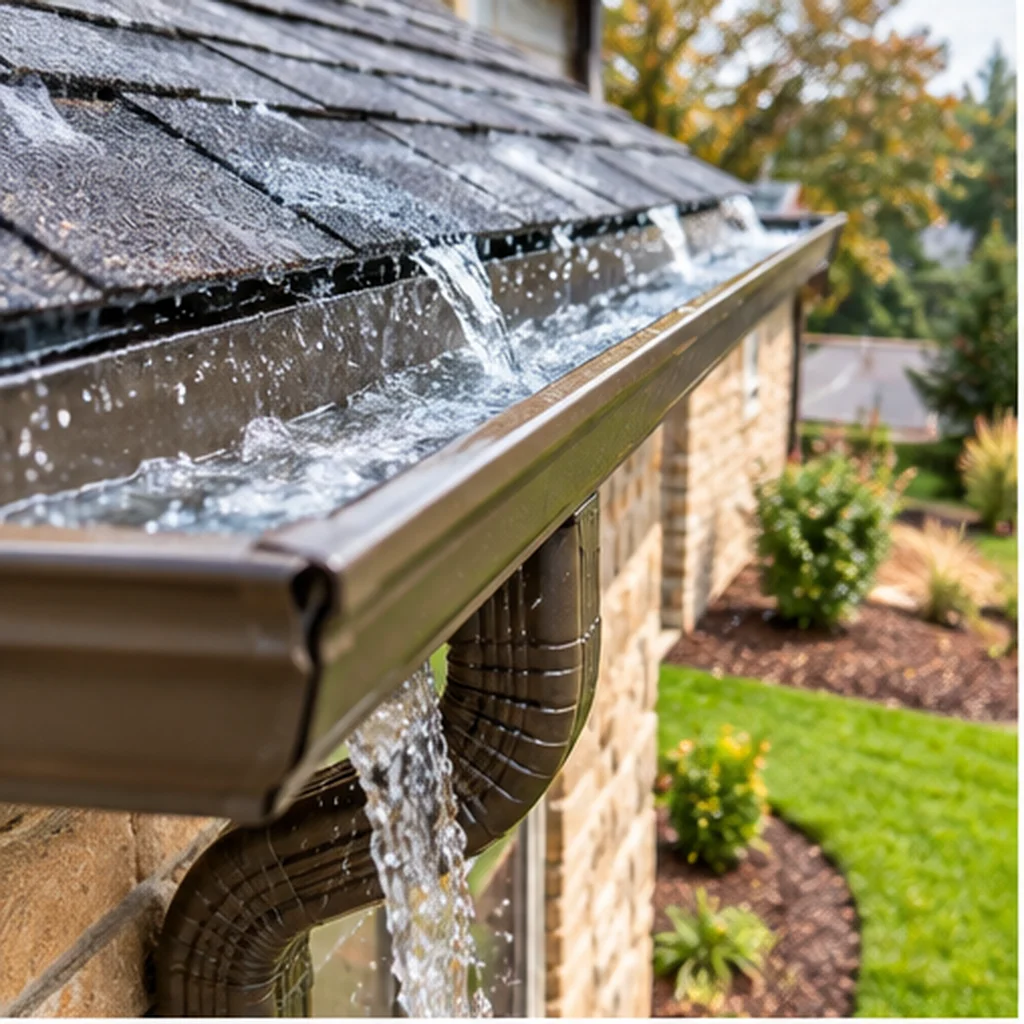
Gutters collect water from the roof and direct it toward downspouts instead of allowing concentrated runoff to fall directly beside the building.
A properly functioning gutter system can help reduce water exposure around the foundation, siding, landscaping, walkways, and roof edge. It can also help control runoff during heavy rainfall and seasonal snowmelt.
When gutters are missing, damaged, undersized, poorly pitched, or incorrectly discharged, water may overflow or collect in areas where it can create drainage problems.
The gutter system also works together with the roof edge, fascia, soffit, downspouts, and surrounding drainage paths. If one part is damaged or poorly configured, replacing only the visible gutter may not solve the underlying water-management problem.
That is why gutter installation should be planned as part of the property’s overall water-management system rather than treated as a simple exterior accessory.
What Gutter Services Does Rooftop Renovation Provide?
Rooftop Renovation provides gutter solutions for homeowners, commercial property owners, landlords, builders, and property managers.
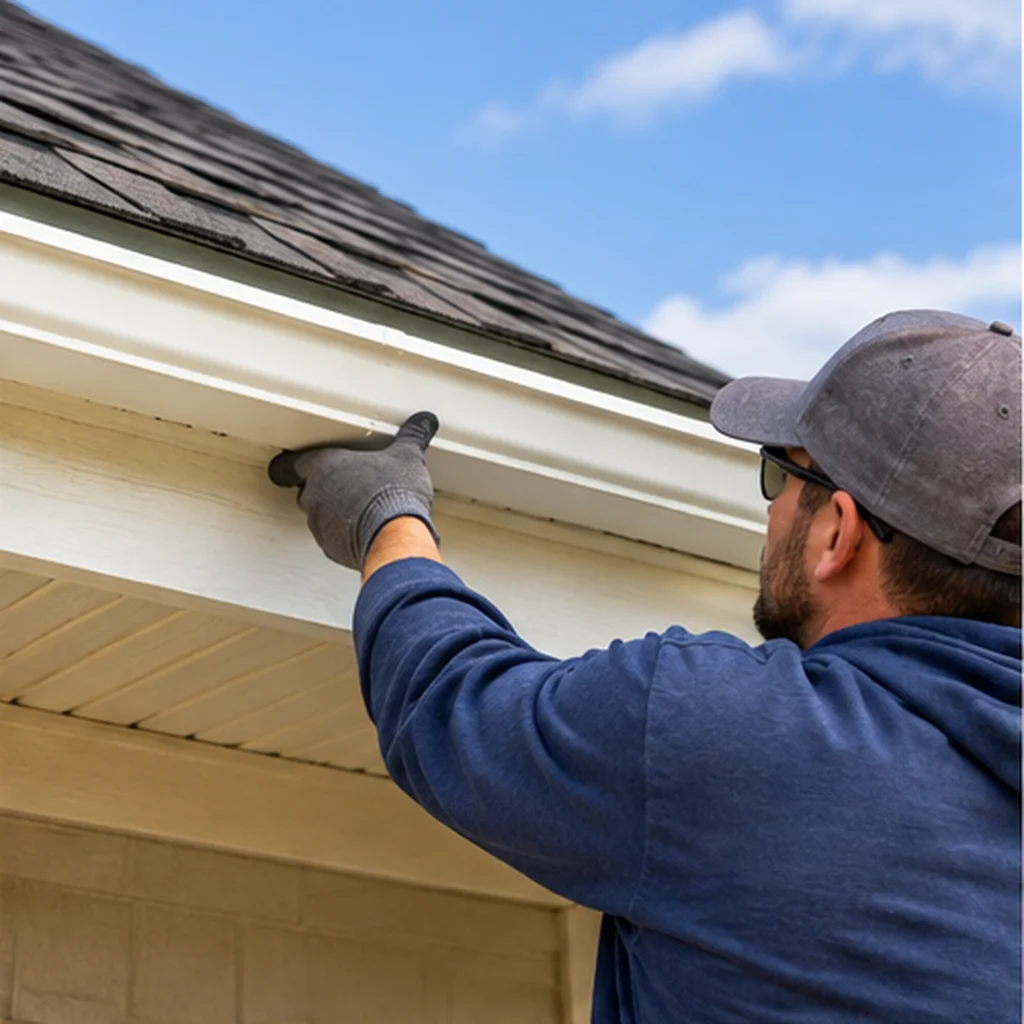
Gutter Installation
New gutters are planned around the property's roofline, drainage requirements, downspout locations, expected runoff, and existing exterior conditions.
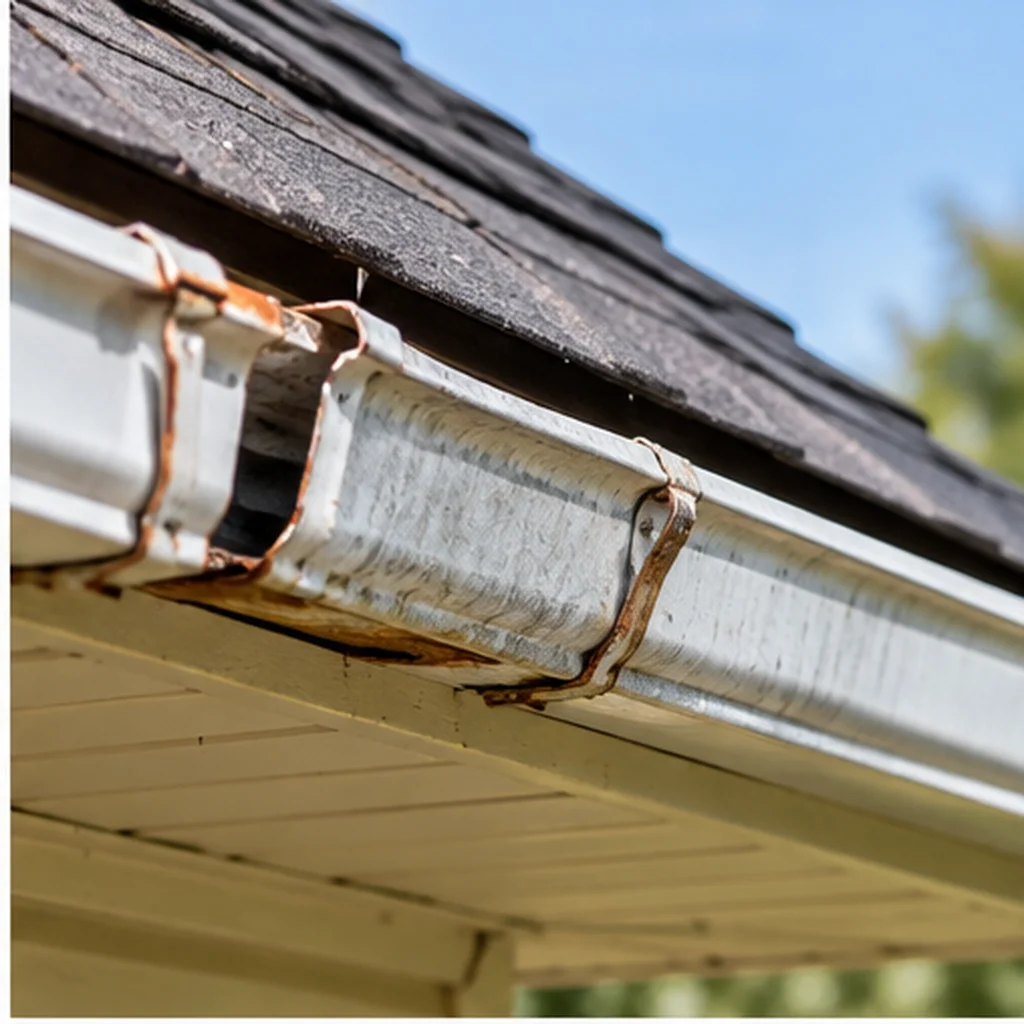
Gutter Replacement
Replacement may be appropriate when existing gutters are badly damaged, repeatedly leaking, sagging, overflowing, or no longer suitable for the property's drainage needs.
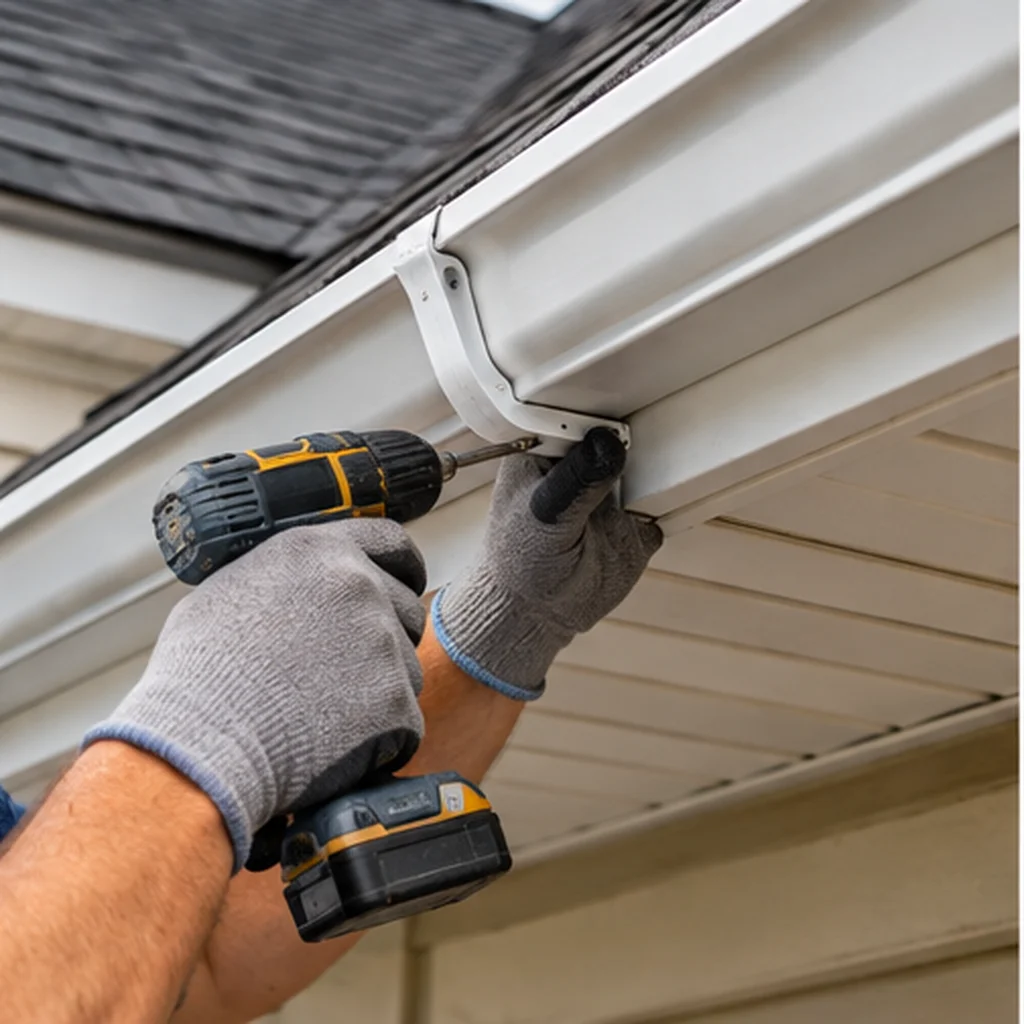
Gutter Repair
Localized problems such as leaks, loose sections, damaged hangers, or other isolated issues may be repairable when the rest of the system remains in suitable condition.
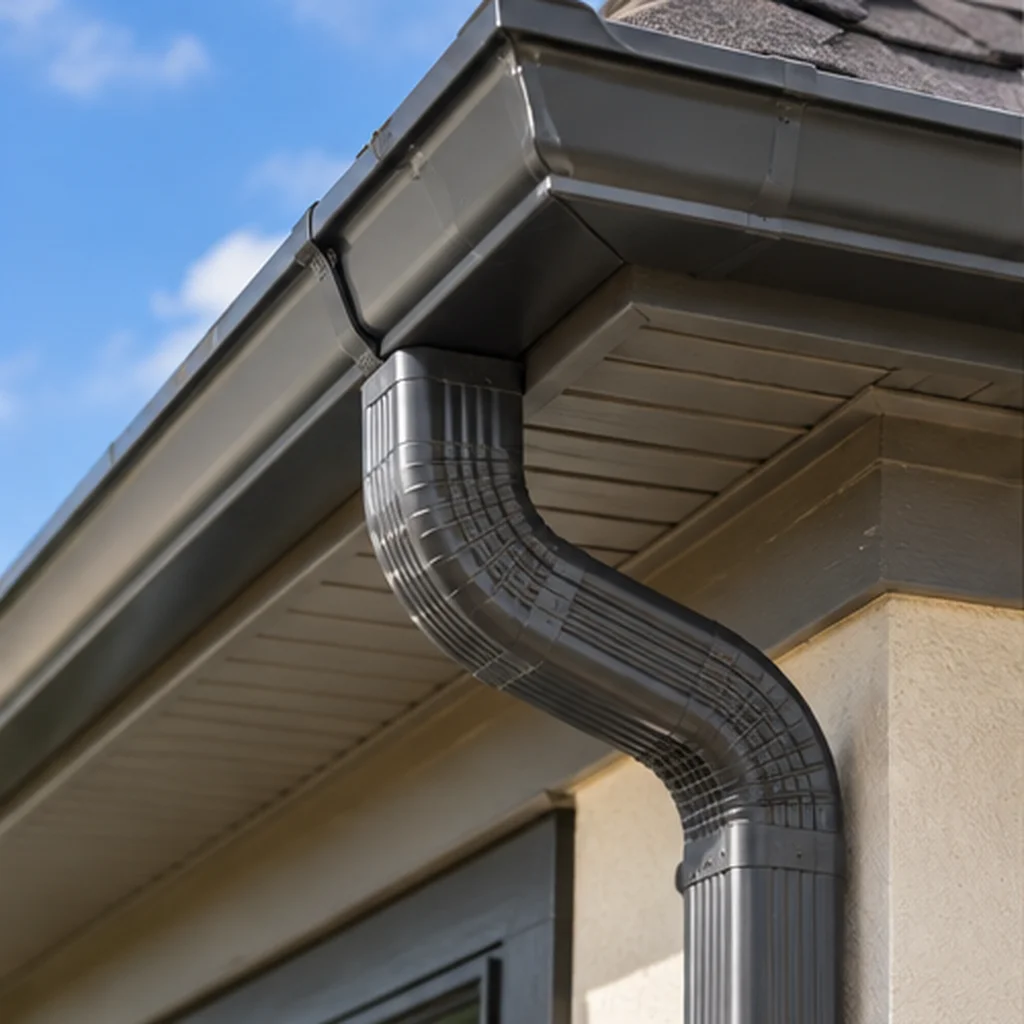
Seamless Gutter Options
Seamless gutters have fewer joints along long runs than sectional systems. Fewer joints can reduce potential leak locations while providing a clean appearance along the roofline.
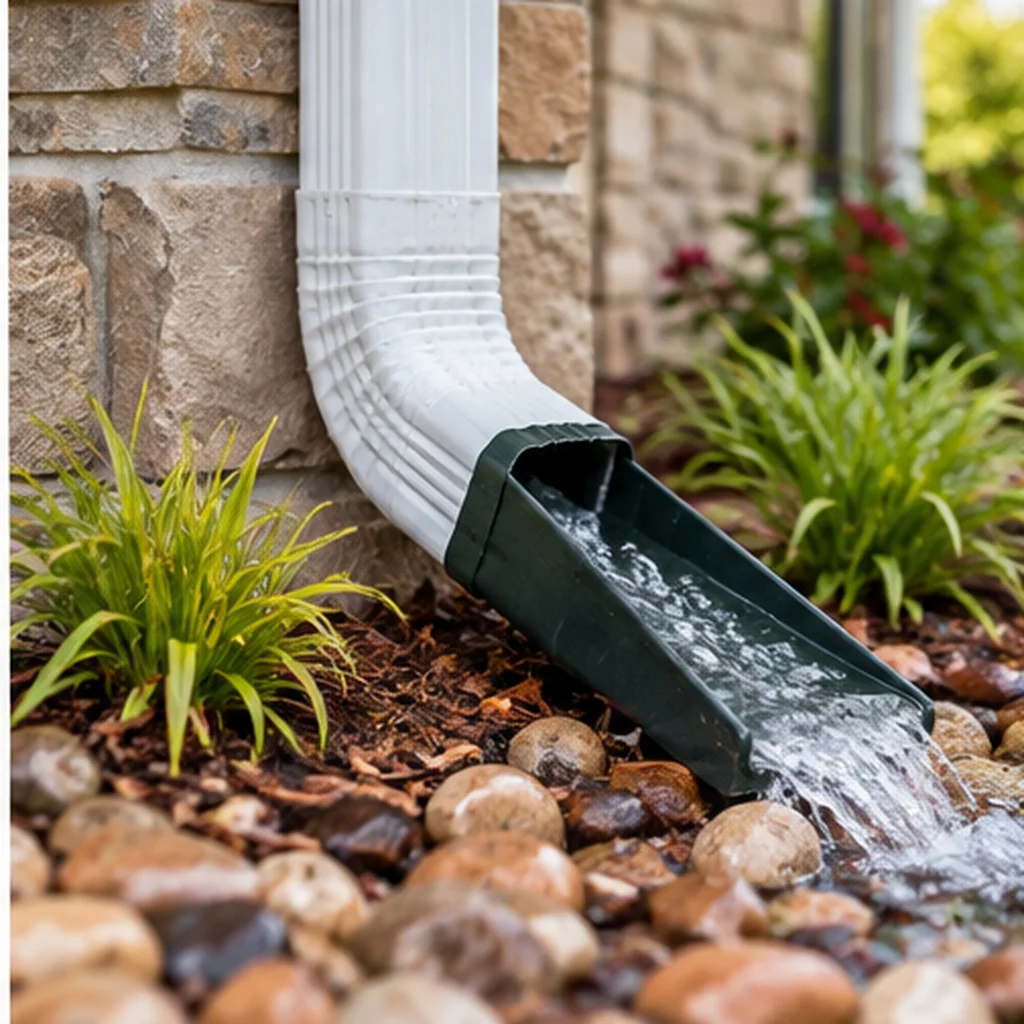
Downspout Installation
Downspouts provide the exit path for collected water. Their number, size, location, and discharge direction should account for the roof area, runoff volume, foundation, landscaping, walkways, entryways, and other areas affected by concentrated water.
Are Seamless Gutters Better Than Sectional Gutters?
Seamless and sectional gutters can both be effective when properly selected and installed. The primary difference is how the gutter runs are constructed and joined.
Seamless Gutters
Seamless gutters are formed for the required run, reducing the number of joints along long sections. This can reduce potential leak points and provide a cleaner appearance.
Sectional Gutters
Sectional gutters are assembled from individual pieces connected along the roofline. The quality of the connections, sealing, attachment, pitch, and overall drainage design all affect performance.
The better choice depends on the property’s roofline, material, drainage requirements, budget, and installation conditions.
What Gutter Size Does Your Home Need?
Common residential gutter sizes include 5-inch and 6-inch systems, but size should not be selected by habit alone.
5-Inch Gutters
A 5-inch system may suit many standard residential roof configurations when the roof area, pitch, runoff volume, and downspout arrangement are appropriate.
6-Inch Gutters
A 6-inch system generally provides greater water-handling capacity than a comparable 5-inch system, but actual performance depends on the gutter profile, pitch, roof drainage area, rainfall intensity, and downspout configuration.
A 5-inch system may suit many standard residential roof configurations when the roof area, pitch, runoff volume, and downspout arrangement are appropriate.
Choosing the Right Downspout
Gutter capacity and downspout capacity need to work together. Roof area, roof pitch, rainfall intensity, gutter size, downspout number, downspout capacity, and discharge location should all be considered before finalizing the system.
A gutter that appears large enough can still overflow if the downspouts cannot move the collected water efficiently. Likewise, adding a larger downspout may not solve an overflow problem if the gutter itself is undersized or incorrectly pitched.
How Does Professional Gutter Installation Work?
A well-planned installation starts with understanding how water currently moves around the property.
1. Property and Roofline Evaluation
We review the roof edge, gutter condition, visible drainage problems, fascia and soffit areas, downspout locations, and places where water currently overflows or collects.
2. Measurements and System Planning
Gutter runs, corners, roofline sections, downspout locations, roof areas, and other project dimensions are evaluated so the system can be planned for the property.
3. Fascia, Soffit and Roof Edge Check
The areas supporting or surrounding the gutter system should be examined for rot, deterioration, loose material, water damage, or other conditions that could affect secure installation.
Water intrusion, deterioration, or poor drainage around the fascia and soffit can affect the condition of the roof edge and the way a replacement gutter can be securely installed. These areas should be evaluated before new gutters are attached.
4. Drainage and Capacity Planning
We determine how collected water should move toward the downspouts, whether the gutter and downspout configuration can handle expected runoff, and where water can be discharged without creating unnecessary problems around the property.
5. Gutter Installation
The selected gutter system is installed with appropriate attachment, alignment, pitch, and connection details for the project.
6. Downspout Installation
Downspouts are positioned to carry water away from the building and toward suitable discharge areas.
7. Final Review and Cleanup
The completed system is reviewed for alignment, attachment, drainage direction, and visible water-flow concerns, and the work area is cleaned after installation.
Why Do Gutter Pitch and Downspout Placement Matter ?
Water should move through the gutter toward the downspout rather than sitting inside the channel.
Proper gutter pitch helps maintain consistent water movement and reduces problems associated with standing water or overflow. The appropriate slope depends on the gutter run, roofline, downspout location, and system design.
Downspout placement is equally important. Concentrated discharge should be directed away from foundations and other vulnerable areas such as walkways, entrances, and landscaping.
The condition of the fascia also matters. If the wood or mounting surface is soft, deteriorated, or damaged, simply attaching a new gutter may not provide the secure support the system needs.
The soffit should also be considered when evaluating the roof edge. Water overflowing or leaking behind a gutter can expose the fascia and adjacent soffit area to repeated moisture. If deterioration is already present, the condition should be addressed as part of the installation planning rather than hidden behind a new gutter.
A professional evaluation can identify these issues before installation rather than after the new gutters begin showing problems.
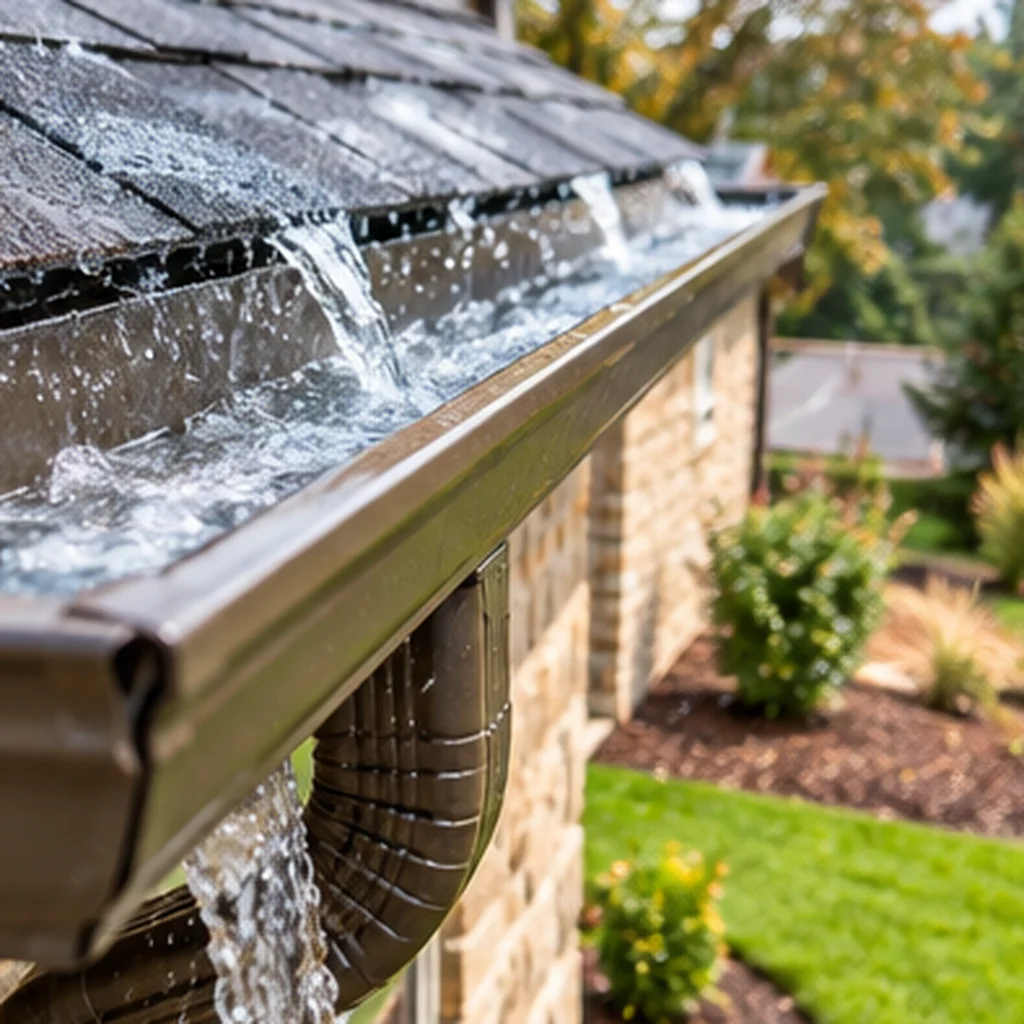
How Does Bismarck Weather Affect Gutter Performance?
Bismarck gutters need to manage more than ordinary rainfall. Snow, ice, spring snowmelt, heavy rain, freezing temperatures, and repeated freeze-thaw cycles can all affect exterior drainage.
Snow and Ice
Snow and ice can place additional stress on roof-edge components. Secure attachment, appropriate gutter capacity, and proper system planning become particularly important during winter conditions.
Freeze-Thaw Cycles
Repeated freezing and thawing can change how water moves through the drainage system. Standing water, blocked outlets, poor pitch, or damaged components can become more noticeable as temperatures change.
Ice Dams and Winter Drainage
Ice dams form when melting snow refreezes near the colder roof edge, potentially restricting normal drainage and allowing water to back up beneath the roof covering. Gutter blockages, ice buildup, poor pitch, and restricted downspout paths can create additional winter drainage problems, but gutter replacement alone does not eliminate ice-dam risk.
Gutter design alone does not eliminate every winter drainage problem. Roof conditions, snow accumulation, ice formation, gutter pitch, downspout paths, and the available drainage route should all be considered when evaluating recurring winter water problems.
Spring Snowmelt
When accumulated snow begins melting, a large amount of water can reach the gutter system in a relatively short period. Adequate gutter capacity, downspout capacity, placement, and discharge planning are important during this period.
Heavy Rain and Storms
Heavy rainfall can expose undersized drainage, poor pitch, damaged gutters, blocked outlets, excessive runoff, or inadequate downspout placement. The intensity and duration of a storm can affect how quickly water reaches the gutter system, so capacity should be considered rather than relying only on gutter appearance.
Severe weather can also damage or loosen gutter components.
Which Gutter Material Is Right for Your Property?
Gutter material should be selected according to the property’s appearance, exposure, maintenance expectations, budget, and project requirements.
Aluminum Gutters
Aluminum is commonly used for residential gutter systems because it is relatively lightweight and available in different colors and configurations.
Steel Gutters
Steel provides a rigid gutter option, but the specific product and finish should be evaluated for corrosion resistance and the property's environmental conditions.
Copper Gutters
Copper offers a distinctive architectural appearance and develops a natural patina over time. It is generally considered a premium material option and should be evaluated according to the property's design and project budget.
Vinyl Gutters
Vinyl can be a lightweight option for certain applications, although cold-weather conditions, physical exposure, and the specific product should be considered before selection.
Material selection should reflect the property’s exposure, appearance, maintenance expectations, budget, and drainage requirements rather than assuming one material is right for every project.
Should You Repair or Replace Your Gutters?
Repair can make sense when the problem is isolated, and the rest of the system remains in reasonable condition.
Replacement may be more appropriate when damage is widespread, problems continue returning, the system repeatedly overflows, or the existing configuration no longer handles the property’s runoff effectively.
Repair May Be Appropriate For
- A localized leak
- A loose hanger
- A damaged connection
- A small isolated section
- Minor alignment problems
Replacement May Be Appropriate For
- Multiple leaking areas
- Long sagging sections
- Widespread rust or deterioration
- Repeated overflow
- Significant storm damage
- Persistent drainage problems
- A system that is no longer suitable for the roof
For roofing-related problems affecting your drainage system, you can also review our roof repair services in Bismarck.

How Should You Maintain Your Gutters?
Gutters should be inspected periodically for debris, leaks, sagging, separation, visible damage, and changes in water flow.
After major storms, check for dents, loose sections, damaged downspouts, or other visible changes from a safe location.
Gutter guards can reduce the amount of larger debris entering a system, but they do not eliminate the need for periodic inspection. Fine debris, blocked outlets, poor drainage, and other problems can still develop.
Do Residential and Commercial Properties Need Different Gutter Planning?
Yes. The basic purpose is the same, but drainage requirements can differ considerably.
Residential Gutter Systems
Homes often require careful consideration of roof runoff, siding, windows, landscaping, walkways, basements, and foundation drainage.
Commercial Gutter Systems
Commercial buildings may have larger roof areas, higher runoff volumes, different roof configurations, larger drainage requirements, rooftop equipment, and more complicated access conditions.
The system should therefore be designed around the actual building rather than applying the same configuration to every property.
Why Choose Rooftop Renovation for Gutter Services?
A gutter system works as part of the property’s larger exterior drainage network. Roof runoff, fascia, soffit, gutters, downspouts, siding, landscaping, and foundation drainage can all be connected.
Rooftop Renovation is a family-owned, locally focused company serving Bismarck and surrounding communities. The company reports more than 25 years of combined roofing and construction experience and has served the Bismarck–Mandan region since 2016.
Our approach is centered on understanding the property’s condition, explaining the available options, and completing the agreed scope without adding unnecessary work.
Our Priorities
- Clear property evaluation
- Appropriate gutter recommendations
- Proper drainage planning
- Professional installation
- Clean project completion
- Direct communication
- Residential and commercial support
What Does a Gutter Installation Warranty Cover?
Warranty or guarantee terms can vary according to the project, materials, installation scope, and written agreement.
Before approving the work, property owners should review:
- Materials covered
- Workmanship coverage
- Coverage period
- Maintenance responsibilities
- Exclusions
- Claim procedures
Rooftop Renovation advertises a guarantee for gutter installations and replacements; the specific terms should be confirmed in writing for the individual project.
Where Does Rooftop Renovation Provide Gutter Services?
Rooftop Renovation provides gutter services in Bismarck, Mandan, and surrounding communities. Additional service areas include Fargo, Jamestown, Dickinson, Sioux Falls, and Aberdeen, subject to project location and availability.
Primary Local Service Area
Service availability can depend on the project type, property location, scheduling, and current conditions. Contact the team to confirm service availability for your property.
You can also review the broader Rooftop Renovation service area.
Frequently Asked Questions About Gutter Installation
Sagging, repeated leaks, rust, cracks, persistent overflow, separation from the fascia, or water collecting near the foundation can all indicate that the existing system needs professional evaluation.
Seamless gutters have fewer joints along long runs, which can reduce potential leak locations and provide a cleaner appearance. Overall performance still depends on proper sizing, pitch, attachment, and drainage.
Five-inch and six-inch gutters are common residential options, but the appropriate size depends on roof area, roof pitch, runoff volume, rainfall conditions, downspout configuration, and the specific property.
Overflow can result from debris, inadequate pitch, undersized gutters, undersized or insufficient downspouts, poor placement, excessive runoff, blocked outlets, or drainage restrictions.
The underlying cause should be identified before choosing a solution. Simply installing a larger gutter may not correct an overflow problem if the downspout capacity, pitch, roof drainage, or discharge path is also inadequate.
Heavy rain can deliver water to the gutter system faster than normal conditions. Roof area, roof pitch, rainfall intensity, gutter size, and downspout capacity all affect how quickly the system needs to move that water.
A system that performs adequately during light rainfall can still overflow during a heavier storm if its capacity or drainage configuration is insufficient.
Snow, ice, freezing temperatures, and spring snowmelt can place additional demands on roof-edge drainage. Ice buildup or blocked drainage paths can interfere with water movement and contribute to overflow or water backing up near the roof edge.
The appropriate discharge arrangement depends on the property grading, drainage design, soil conditions, local requirements, and available drainage paths. The goal is to prevent concentrated runoff from collecting next to the foundation.
Yes. Localized leaks, loose hangers, or isolated damage may be repairable when the rest of the system remains suitable. Widespread deterioration or repeated drainage problems may make replacement more practical.
Gutter service life varies according to material, installation quality, weather exposure, maintenance, drainage conditions, and physical damage. No single lifespan applies to every gutter system.
No. Gutter guards can reduce the amount of larger debris entering a gutter system, but fine debris and other drainage issues can still require periodic inspection and maintenance.
Get a Free Gutter Installation Estimate in Bismarck, ND
If your gutters are leaking, sagging, overflowing, pulling away from the fascia, or no longer directing water properly, the next step is understanding what is actually causing the problem.
Rooftop Renovation can evaluate your gutter system, explain whether repair or replacement makes sense, and recommend a solution based on your property’s roofline, drainage needs, gutter capacity, fascia and roof-edge condition, and exterior conditions.
Whether you need gutter installation, gutter replacement, gutter repair, seamless gutter options, or downspout improvements, we can help you plan the work before it begins.
Rooftop Renovation & Exteriors