
- Storm Damage Experts
Standing Seam Steel Roofing in Bismarck, ND
Standing seam steel roofing combines durable metal panels with raised vertical seams and concealed fastening systems to create a clean, weather-focused roofing system. For the right property, it can provide long-term performance, low routine maintenance, and a distinctive architectural appearance.
Rooftop Renovation provides standing seam steel roofing in Bismarck, ND, for residential and commercial properties. Whether you are installing a new roof, replacing an aging system, or considering an upgrade from another roofing material, we can help evaluate the roof, discuss appropriate standing seam options, and develop a project-specific installation plan.
- Residential & Commercial Roofing
- GAF Master Elite Certified
- Bismarck–Mandan Service
- Free Estimates
- Local Roofing Experience
Rooftop Renovation & Exteriors

What Is Standing Seam Steel Roofing ?
Standing seam steel roofing is a metal roofing system made from steel panels connected by raised vertical seams, typically with concealed fasteners or clips beneath the panels. Unlike exposed-fastener metal roofing, the attachment points are largely hidden from view, creating a cleaner appearance and reducing direct exposure of fasteners to weather.
The system is designed as a complete roofing assembly rather than simply a layer of metal. Depending on the roof and selected profile, the assembly may involve roof decking, underlayment, clips, panels, seams, flashing, ridge and eave details, penetrations, ventilation, and other components.
Standing seam systems are available in different profiles and installation methods. The appropriate system depends on roof pitch, building design, weather exposure, manufacturer requirements, engineering considerations, and whether the property is residential or commercial.
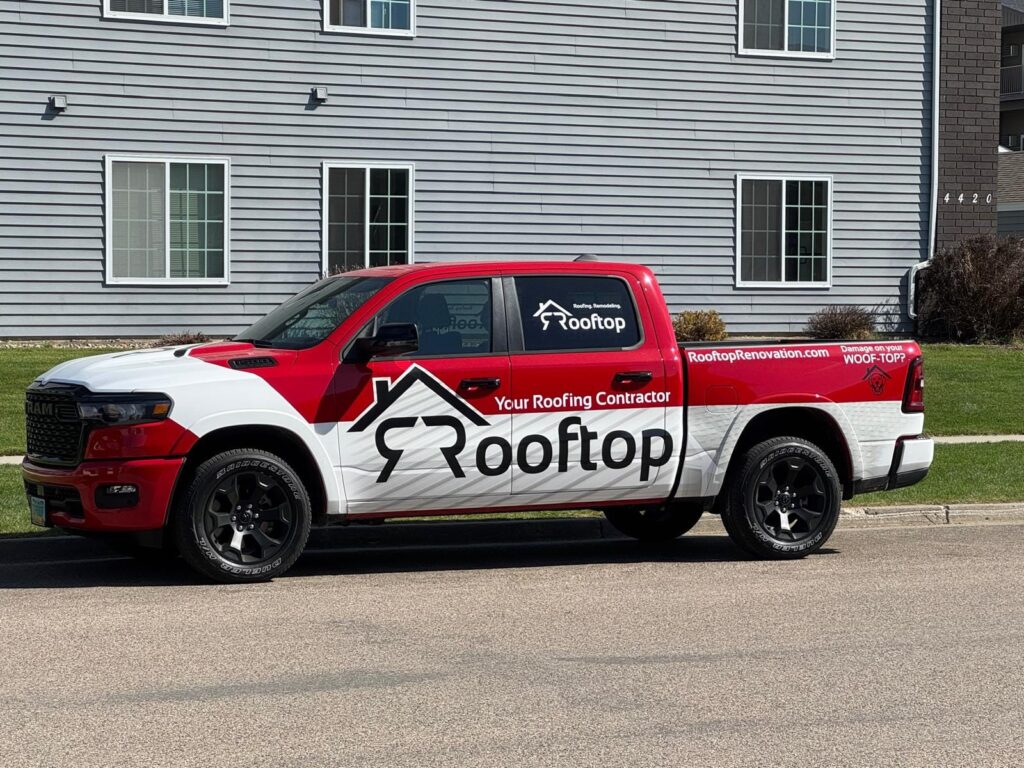
Since 2016
Serving Bismarck–ND
25+ Years
Combined Roofing & Construction Experience
Local Company
Why Is Local Experience Important for Standing Seam Roofing in Bismarck?
Standing seam roofing needs to perform under the conditions found in North Dakota, including snow, hail, strong winds, freezing temperatures, moisture, and repeated freeze-thaw cycles. Installation details that may appear minor—such as flashing, panel movement, clips, penetrations, drainage, and snow management—can have a major effect on the overall roofing system.
Rooftop Renovation & Exteriors serves the Bismarck–Mandan area and approaches roofing projects based on the property’s actual requirements. The company reports serving the region since 2016 and having more than 25 years of roofing and construction experience.
For a standing seam project, that means looking beyond the visible panels. Roof slope, existing materials, accessible decking, ventilation, flashing, drainage, penetrations, and the building’s use all need to be considered before selecting an installation approach.
Complete Roofing Services
What Standing Seam Steel Roofing Services Are Available?
Standing seam roofing can serve several different project types, but the correct system should be selected according to the property rather than treated as a universal solution.
Standing Seam Roof Installation
A new standing seam metal roof installation in Bismarck requires accurate measurements, appropriate panel selection, proper attachment, flashing, movement accommodation, and careful detailing around roof penetrations and transitions.
Residential Standing Seam Roofing
Standing seam metal roofing can provide a clean architectural appearance for homes while offering a durable metal roofing option. Roof pitch, panel profile, snow movement, ventilation, appearance, and the home's structural characteristics should be considered before installation.
Commercial Standing Seam Roofing
Commercial properties may require standing seam systems that address larger roof areas, drainage, rooftop equipment, penetrations, access, wind exposure, and operational requirements. System selection should be based on the building and the manufacturer's requirements.
Standing Seam Roof Replacement
If an existing metal or other roofing system has reached the end of its useful service life, replacement may provide an opportunity to correct underlying issues and install a new roofing assembly. The existing deck, moisture conditions, flashing, and roof configuration should be evaluated first.
Standing Seam Roof Retrofit
In some situations, a standing seam system may be installed over an existing roof assembly, but this is not appropriate for every property. Existing roof condition, moisture, decking, structural capacity, weight, local requirements, and manufacturer instructions must be evaluated before choosing a recovery approach.
Rooftop’s existing official pages support its coverage of inspection, repair, replacement, asphalt, metal, composite, commercial, leak, ice-dam, skylight, chimney, and flat-roof-related services.
Why Can Standing Seam Steel Roofing Be a Good Option for Bismarck Weather?
Bismarck roofing systems face seasonal changes that can include heavy snow, hail, strong winds, freezing temperatures, and freeze-thaw cycles. Standing seam metal roofing can be considered for these conditions because the system uses durable metal panels and concealed attachment methods, but actual performance depends on the specific product, profile, engineering, installation, and building conditions.
Snow and Ice
Snow can accumulate on metal roofs and may slide when conditions change. Snow-retention systems can be considered where falling snow could affect entrances, walkways, lower roof sections, landscaping, or adjacent areas. Their placement should be appropriate for the roof design and expected snow conditions.
Hail and Impact
Hail can affect metal panels, coatings, flashing, vents, and other roof components. Impact performance varies by product, gauge, profile, coating, and tested assembly, so a particular standing seam system should be evaluated using its actual product specifications rather than a generic hail-resistance claim.
Wind and Wind Uplift
Standing seam systems must be properly designed and attached for the property’s expected wind conditions. Panel attachment, clips, seams, edges, and roof geometry all contribute to wind performance.
Freeze-Thaw and Thermal Movement
Steel expands and contracts as temperatures change. Standing seam systems are designed with attachment and seam details that can accommodate thermal movement when properly specified and installed. Expansion clips and other movement-related components may be used depending on the system.
How Is Standing Seam Different From Exposed-Fastener Metal Roofing?
Standing seam metal roofing generally uses concealed fasteners or clips, while exposed-fastener systems use visible screws through the metal panels. The concealed approach provides a cleaner appearance and reduces direct weather exposure around visible fastener penetrations.
Standing seam systems typically cost more than basic exposed-fastener systems because their materials, attachment methods, detailing, and installation can be more specialized. The better choice depends on the building, budget, roof design, desired appearance, maintenance expectations, and project requirements.
Is Standing Seam Metal Roofing Better Than Asphalt Shingles?
Neither system is automatically better for every property. Standing seam offers metal construction, concealed attachment, and a distinctive appearance, while asphalt shingles are widely used and available across many price and style ranges. The right choice depends on roof design, weather exposure, expected service life, maintenance preferences, appearance, budget, and installation requirements.
What Is the Difference Between Snap-Lock and Mechanical-Seam Roofing?
Snap-lock standing seam panels are designed to interlock over clips or an attachment system, while mechanically seamed systems use equipment to fold or lock the panel seams after installation. The appropriate system depends on the panel profile, roof slope, manufacturer requirements, weather exposure, and project design. Mechanical seaming can be particularly relevant where the engineered system requires a more secure seam configuration.
Can Standing Seam Roofing Be Installed After Storm Damage?
Yes, depending on the condition of the existing roof and the extent of the damage. A storm inspection should evaluate the panels, seams, flashing, penetrations, vents, gutters, and other exposed components.
If replacement is necessary, the new roofing system should address the underlying condition rather than simply covering visible storm damage.
Insurance coverage varies by policy, deductible, exclusions, product specifications, and the insurer’s assessment. Roofing documentation can help explain observed damage and the proposed scope, but the insurance company determines coverage.
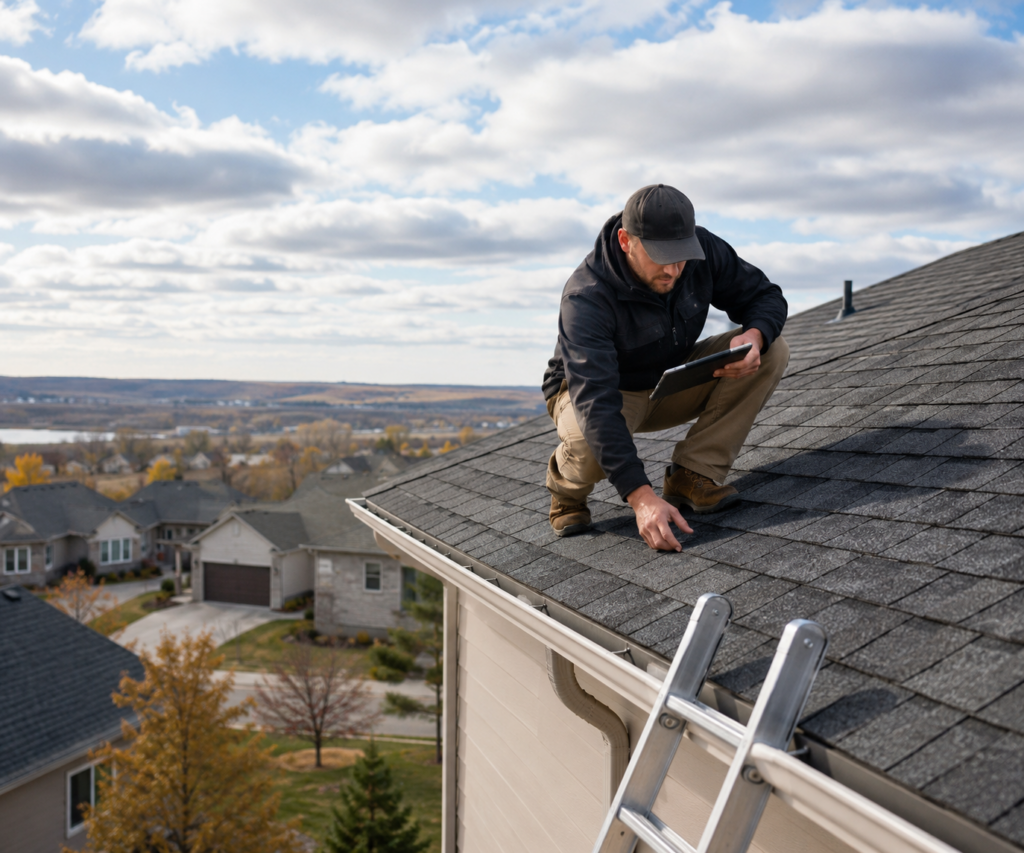
Roofing Materials
What Materials and Components Are Used in a Standing Seam Roof?
Standing seam roofing is a complete roofing system. The visible steel panels are only one part of the assembly.
01
Steel and Galvalume
Steel is the primary material associated with this page's standing seam focus. Galvalume-coated steel is another common metal roofing material that combines a steel substrate with an aluminum-zinc coating designed to provide corrosion resistance.
02
Concealed Fasteners and Clips
Clips and concealed attachment methods secure the panels while allowing the system to accommodate movement according to its design. The exact clip type and spacing depend on the selected system and engineering requirements.
03
Panel Gauge
Standing seam steel panels can be available in different gauges. A lower gauge number generally indicates thicker steel, but there is no single gauge that is automatically best for every roof. Panel gauge should be selected according to structural requirements, profile, span, wind and snow considerations, manufacturer specifications, and project conditions.
04
Panel Width and Seam Height
Panel width and seam height affect appearance, system configuration, water management, and engineering characteristics. The correct dimensions depend on the selected profile and manufacturer's specifications.
05
Coatings and Finishes
Standing seam steel roofing can be available with different coatings, colors, and finishes. Options may include PVDF-based finishes such as Kynar 500 or other coating systems, depending on the product. Color selection should consider appearance, product availability, solar reflectance, coating performance, and the manufacturer's published specifications.
03
Flashing and Roof Details
Flashing is essential around areas where the roofing system meets walls, chimneys, vents, valleys, penetrations, and other transitions. Proper detailing helps direct water away from vulnerable areas.
Rooftop currently advertises asphalt, metal, composite, standing-seam steel, slate, copper, tile, cedar shake, steel shingles, and flat-roof-related offerings across its official website.
Residential and Commercial Roofing
Where Can Standing Seam Steel Roofing Be Used?
Standing seam steel roofing can be used on both residential and commercial properties when the selected system is appropriate for the building.
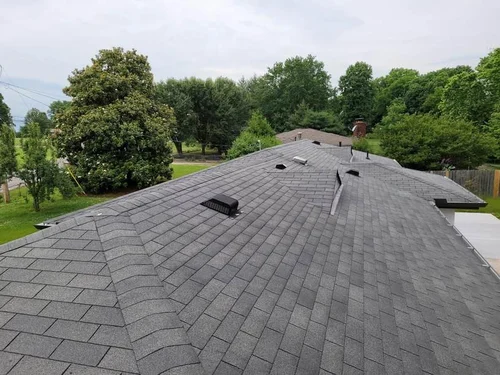
Residential Standing Seam Roofing
For homes, standing seam can provide a modern or architectural metal-roof appearance while offering a durable alternative to conventional roofing materials. The roof's pitch, structure, snow conditions, ventilation, panel profile, and aesthetic goals should all be evaluated.
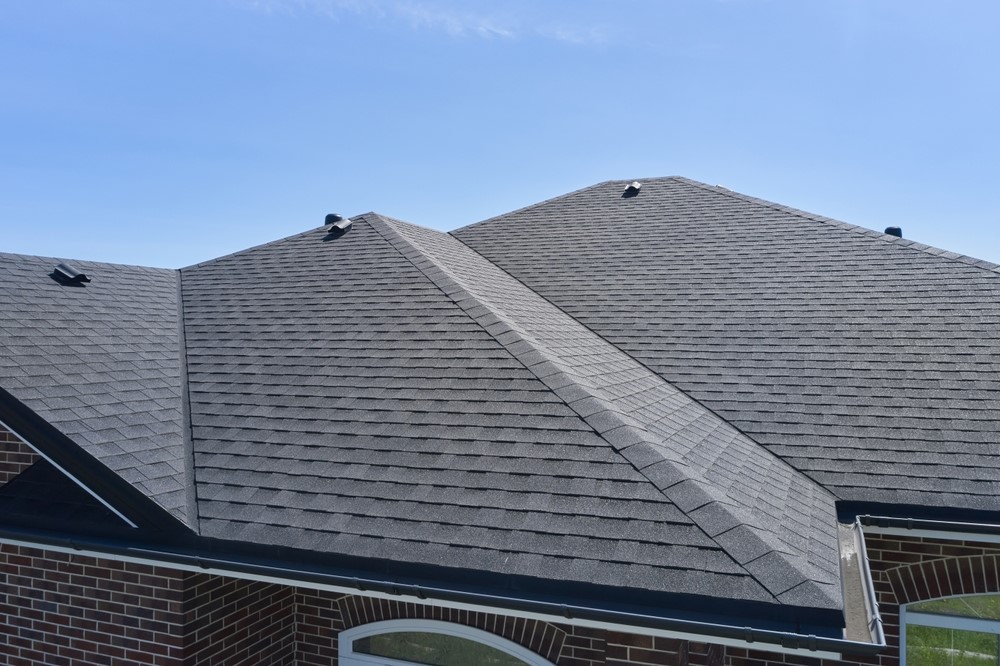
Commercial Standing Seam Roofing
Commercial standing seam applications may involve larger roof areas, equipment penetrations, drainage requirements, access considerations, and greater operational complexity. The selected system should match the building's design, roof slope, engineering requirements, and intended use.Depending on the building, work may involve membrane repair, metal systems, leak response, replacement, insulation, flashing, drainage, phased installation, or scheduled maintenance.
How Is a Standing Seam Metal Roof Installed?
A professional standing seam metal roof installation begins with evaluating the existing roof or construction plans and continues through preparation, underlayment, attachment, panel installation, seam formation, flashing, and final inspection.
01
Roof Inspection
The roof is evaluated for slope, existing materials, visible damage, drainage, penetrations, flashing, ventilation, and other conditions that may affect the installation.
02
Structural and Deck Evaluation
For replacement projects, accessible decking and supporting components are evaluated after the existing roofing is removed where necessary. Any structural concerns should be addressed before the new system is installed.
03
Underlayment and Water Protection
The appropriate underlayment and water-protection components are installed according to the selected roofing system, roof design, and manufacturer requirements.
04
Flashing and System Preparation
Eave, rake, valley, wall, penetration, and other flashing details are prepared before or during panel installation according to the system design.
05
Clips and Panel Installation
Panels are positioned and secured using the specified clips or attachment system. Panel alignment, fastening, spacing, and movement requirements must be followed carefully.
06
Seam Formation
Depending on the system, seams may interlock through a snap-lock design or be mechanically folded using appropriate equipment.
07
Final Inspection
The completed roofing system is reviewed for panel alignment, seams, flashing, penetrations, drainage, cleanup, and other project-specific details.
Why Choose Rooftop Renovation
What Makes Rooftop Renovation a Strong Choice for Standing Seam Roofing?
Standing seam installation requires more than placing metal panels over a roof. The system has to be matched to the building and installed with attention to movement, flashing, attachment, drainage, weather exposure, and the manufacturer’s requirements.
Rooftop Renovation & Exteriors combines local Bismarck service with residential and commercial roofing experience. The company’s current website identifies it as family-owned, licensed, and insured, serving the Bismarck–Mandan area since 2016, with more than 25 years of roofing and construction experience.
Our Priorities
- Local Roofing Knowledge — Understanding Bismarck's snow, wind, hail, and temperature conditions.
- Complete Roof Evaluation — Looking beyond the visible panel surface.
- Professional Installation — Following the requirements of the selected roofing system.
- Clear Estimates — Explaining the proposed scope before work begins.
- Residential and Commercial Service — Supporting different building types and project requirements.
- Direct Communication — Keeping the property owner informed throughout the project.
- Warranty Information — Reviewing applicable manufacturer and workmanship coverage.
Customer Reviews
Bismarck HomeOwners Say About Rooftop Renovation
Trustindex verifies that the original source of the review is Google. Rooftop recently replaced all shingles and installed a solar attic fan for me. All work was completed satisfactorily and within promised time frames. They did an excellent job of clean-up after work was completed.Posted on GoogleTrustindex verifies that the original source of the review is Google. Shingles were replaced. I was happy with the process. Workers were very helpful and work was completed in a very timely manner and the yard was cleaned up before they leftPosted on GoogleTrustindex verifies that the original source of the review is Google. Rooftop Renovations did an outstanding job on our home. From start to finish, they communicated clearly and kept us informed every step of the way. They arrived right on schedule and completed the entire project professionally in just one day. We're extremely pleased with the results — thank you!Posted on GoogleTrustindex verifies that the original source of the review is Google. Professional, quality, and reliable!Posted on GoogleTrustindex verifies that the original source of the review is Google. Job well done!Posted on GoogleTrustindex verifies that the original source of the review is Google. Tyler and team were very professional and friendly. We've used them multiple times and they always do a great job.Posted on GoogleTrustindex verifies that the original source of the review is Google. They were fast and did a great job. No issues at all. Recommend them to do more work around the statePosted on GoogleTrustindex verifies that the original source of the review is Google. Very impressed with this business and the crew. They worked hard, got a big project done efficiently. Appreciate their hard work. The new roofs in our complex look great!!Posted on GoogleTrustindex verifies that the original source of the review is Google. Tyler and the crew at Rooftop Renovation are a 5 star organization and I have had two jobs done by them and they are truly fist class in all they so with siding and roofing and gutters. Couldn't recommend them any higher.Posted on GoogleTrustindex verifies that the original source of the review is Google. Our roof replacement was part of a much larger roof replacement project at our condo due to hail damage. We were impressed with the professional Management of all phases of striping and replacing the roof. Excellent attention to such details as proper cleanup
Certifications, Partners, and Warranties
What Should You Look for in a Standing Seam Roofing Project?
A standing seam roofing project should be evaluated by more than the finished appearance. The roofing system, panel profile, roof condition, installation method, flashing details, and property requirements all influence how the completed roof performs over time.
For a new installation or replacement, important considerations include the roof size and pitch, existing roof condition, selected steel panel system, panel gauge and finish, attachment method, and details around vents, walls, edges, and other penetrations.
The installation environment also matters. Bismarck properties can experience snow, hail, strong winds, freezing temperatures, and significant seasonal changes. A properly planned standing seam system should account for these conditions while following the requirements of the selected manufacturer and roofing profile.
When comparing roofing options, look for clear information about the proposed system, installation scope, materials, expected maintenance, and applicable warranty coverage. This makes it easier to understand what you are investing in and whether the system fits your property.
What Does a Standing Seam Metal Roof Warranty Cover?
A standing seam roofing warranty can involve different types of protection, including manufacturer material or coating coverage, workmanship coverage, and, where applicable, system-specific weather-tightness coverage.
The exact terms depend on the selected product, manufacturer, installation requirements, registration, workmanship agreement, and project conditions.
Before approving a standing seam roofing project, review:
For homeowners and businesses searching for roofing contractors near Bismarck, ND.
- Material and coating coverage
- Workmanship coverage
- Warranty duration
- Registration requirements
- Maintenance requirements
- Transferability
- Exclusions
- Claim procedures
A warranty should always be evaluated using the actual written terms rather than a general industry promise.
FAQ
Frequently Asked Questions!
A properly specified and installed standing seam metal roof can provide decades of service, but actual lifespan depends on the metal, coating, profile, installation quality, climate, maintenance, and environmental exposure.
Standing seam metal roofing can be suitable for Bismarck properties when the system is properly selected and installed for local conditions. Snow, wind, hail, freeze-thaw cycles, thermal movement, roof pitch, and snow retention should all be considered.
Standing seam roofing costs vary by roof size, panel profile, gauge, metal type, coating, roof pitch, existing roof removal, decking repairs, flashing, penetrations, labor, access, and project complexity. A property-specific estimate is more reliable than a universal price per square foot.
It can be a worthwhile investment when a property owner values metal roofing, concealed fasteners, long-term service potential, appearance, and reduced routine maintenance. The higher initial cost should be weighed against the property’s needs and the selected system.
There is no single universal minimum pitch for every standing seam system. The required slope depends on the specific panel profile, manufacturer requirements, engineering, installation method, and project conditions.
The appropriate gauge depends on the roofing profile, structural requirements, panel spans, wind and snow conditions, and manufacturer specifications. A thicker panel is not automatically the correct choice for every project.
Sometimes, but not always. Existing roof condition, moisture, decking, structural capacity, weight, local requirements, and manufacturer instructions must be evaluated before installing a standing seam system over an existing roof.
Standing seam systems generally conceal their fasteners beneath the panels or attachment components, while exposed-fastener systems use visible screws through the panel surface. Standing seam typically has a cleaner appearance and a more specialized installation process.
Standing seam roofing is generally considered low maintenance, but it is not maintenance-free. Periodic inspections should check seams, flashing, penetrations, coatings, drainage, snow-retention components, and areas affected by severe weather.
Solar panels can be compatible with some standing seam systems using clamp-based mounting methods that can reduce the need for roof penetrations. Compatibility depends on the panel profile, mounting system, structural requirements, and manufacturer specifications.
Oil canning is a visible waviness or distortion that can appear in relatively flat areas of metal panels. It can be influenced by panel geometry, substrate conditions, material handling, installation, and thermal movement. Some panel profiles or stiffening features can reduce its visual appearance.
Many standing seam systems use concealed clips or fasteners, which means the primary attachment points are hidden beneath or within the panel system. The exact attachment method depends on the selected profile.
Galvalume-coated steel is commonly used in metal roofing systems because its coating is designed to provide corrosion resistance. Suitability depends on the selected product, environment, installation, and manufacturer specifications.
Helpful Roofing Resources
What Should You Know Before Choosing Standing Seam Steel Roofing?
Choosing a standing seam system involves more than comparing metal colors. Understanding the system’s profile, attachment method, roof pitch, panel gauge, weather exposure, maintenance needs, and total project cost can help you make a better decision.
Standing Seam vs. Exposed-Fastener Metal Roofing
Learn how concealed and exposed attachment systems differ in appearance, installation, maintenance, and typical applications.
Snap-Lock vs. Mechanical-Seam Roofing
Understand how these two standing seam systems differ and why roof slope, profile, manufacturer requirements, and building use influence system selection.
How Much Does a Standing Seam Metal Roof Cost?
Explore the project-specific factors that influence standing seam installation costs, from panel selection and roof size to decking, flashing, labor, and roof complexity.
How to Maintain a Standing Seam Metal Roof
Learn what property owners should inspect after severe weather, including seams, flashing, penetrations, coatings, drainage, and snow-retention components.
Free Inspection
Ready to Install Standing Seam Steel Roofing in Bismarck, ND?
A small roofing concern can become more difficult to manage when moisture continues entering the system. Whether you have noticed a leak, missing materials, storm damage, an aging roof, or a problem with a commercial building, Rooftop Renovation can inspect the property and explain the available options.
Contact our local roofing company in Bismarck for repair, replacement, installation, storm restoration, or commercial roofing support. You will receive an opportunity to review the findings, proposed scope, suitable materials, estimated cost, and scheduling before moving forward.
Rooftop Renovation & Exteriors