
Roof Installation in Jamestown, ND
Rooftop Renovation & Exteriors provides professional roof installation in Jamestown, ND, for residential and commercial properties. Every new roof needs to be planned around the building’s design, roof slope, existing conditions, material requirements, drainage, and intended use. The finished system includes more than the visible shingles, metal panels, or membrane; the supporting components and installation details also contribute to its performance.
A new roof may be required for new construction, replacement of a deteriorated roofing system, or a major property improvement. The right approach depends on whether the project involves an existing roof, a newly constructed building, localized underlying damage, or a complete change in roofing material.
Our goal is to help property owners understand the available roofing options, preparation requirements, project scope, and cost considerations before installation begins. To discuss a project, request a roof installation estimate, and provide details about your Jamestown property.
Rooftop Renovation & Exteriors
Residential, Commercial, and New Construction Roof Installation
Roof installation services must account for the property’s structure and the demands placed on its roofing system. A residential roof and a commercial low-slope roof can require substantially different materials, attachment methods, drainage arrangements, and installation procedures.
Residential Roof Installation
Residential roof installation may involve asphalt shingles, architectural shingles, metal roofing, or another system suitable for the building. Roof pitch, design, weather exposure, appearance, maintenance expectations, and the homeowner's budget all influence material selection. The installation scope may also include preparation of the existing roof deck, underlayment, ice and water protection where appropriate, flashing, edge details, ventilation, and drainage-related components.
Commercial Roof Installation
Commercial roof installation can involve flat or low-slope roofing systems designed for the building's configuration. TPO roofing and EPDM roofing are examples of membrane systems that may suit particular commercial properties when their specifications match the roof design and project requirements. Drainage, seams, roof penetrations, equipment, access, and the building's normal operations can influence the installation plan. The selected system should be appropriate for the property's actual conditions rather than treated as a standard option for every commercial roof.
New Construction and Roof Replacement
A new construction project begins with the roofing specifications for the planned building. The installation must coordinate with the roof design, supporting structure, selected materials, and relevant project requirements. Roof replacement starts with understanding the existing system and determining what needs to be removed, retained, or corrected. When the old roofing is removed, concealed conditions may become visible and affect the final scope. For both project types, the written proposal should make clear which roofing components, preparation tasks, and finishing details are included.
Roofing Material Options for Jamestown Properties
Material selection affects the installation method, appearance, maintenance needs, and overall project cost. The most suitable option depends on the roofing system as a whole, not only the visible exterior material.
Asphalt Shingle Roofing and Architectural Shingles
Asphalt shingle roofing is used on many residential properties and is available in different styles and product specifications. Architectural shingles are a type of asphalt shingle with a dimensional profile that can create a more textured appearance.
The appropriate product should match the roof design, installation requirements, expected weather exposure, and project budget. Underlayment, flashing, roof ventilation, and other connected components also need to be suitable for the selected shingle system.
To ensure that you get a roof that will withstand all that Mother Nature can throw at it, we use high-quality materials from the leading manufacturers in the industry. This is another reason why we are one of the most dependable roofing companies in Bismarck, ND.
Metal Roofing and Standing Seam Metal Roofing
Metal roofing can be considered for residential and commercial properties where the roof design and selected product make it appropriate. Standing seam metal roofing uses panels joined through raised seams, commonly with concealed fastening or clip systems according to the selected profile.
Standing seam systems have specific requirements involving roof slope, panel attachment, flashing, penetrations, movement, and drainage. These details should be evaluated before the material is selected. For more information about this roofing option, explore our standing seam steel roofing information. The appropriate system for a Jamestown property should be confirmed from the roof design and project requirements.
TPO and EPDM for Low-Slope Roofs
Commercial buildings with flat or low-slope roofs may be suitable for membrane systems such as TPO or EPDM. These materials have different product characteristics and installation requirements, so they should not be treated as interchangeable options for every building.
The roof’s drainage layout, seams, penetrations, edges, supporting surface, and intended use all matter when determining the appropriate system. The selected membrane must also be installed according to its applicable specifications.
Material selection should balance compatibility, installation requirements, appearance, maintenance expectations, and the overall cost of the project. The cheapest material is not automatically the most appropriate choice, just as the most expensive option is not necessarily the best fit for every property.
Components of a Complete Roofing System
A roofing system combines several components to protect the building and manage moisture. Each part has a distinct function, and the selected products should be compatible with the roof design and installation requirements.
Roof Deck
The roof deck provides the supporting surface beneath the roofing materials. Its condition must be suitable for the planned installation.
Roof Underlayment and Ice and Water Protection
Underlayment adds a layer of protection beneath the primary roofing material. Ice and water protection may be used in vulnerable areas when appropriate for the selected system and roof design.
Roof Flashing and Edge Details
Flashing helps direct water around chimneys, walls, skylights, valleys, vents, and other roof transitions. Drip edges, ridge components, and perimeter details complete the assembly according to the selected system's requirements.
Roof Ventilation
Roof ventilation should be considered alongside the building's insulation, roof design, and moisture-management requirements. The appropriate arrangement depends on the property's configuration.
Roof Drainage
Roof slope, valleys, gutters, downspouts, and drains help move water away from the building. The drainage arrangement must suit the roof design, particularly on low-slope commercial properties.
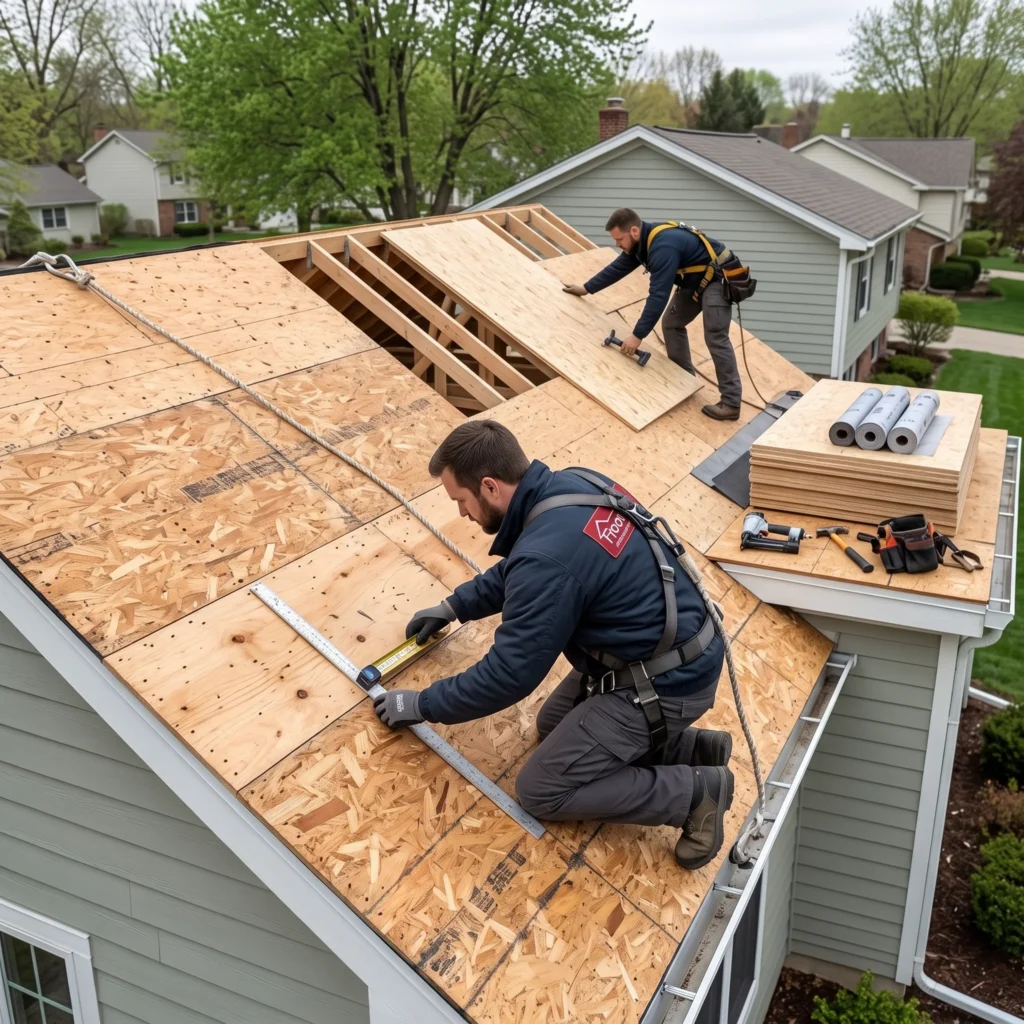
Roof Deck Evaluation and Installation Preparation
During roof replacement, removing the existing roofing materials may expose conditions that were not visible during the initial assessment. These can include moisture-related deterioration, damaged decking, soft areas, or additional existing layers.
Once the affected areas become accessible, their condition can be evaluated to establish whether corrective work is needed before the new system is installed. This does not automatically mean that the entire roof deck requires replacement; the necessary work depends on the actual condition found.
Preparation may also involve planning site access, protecting the surrounding property, and confirming the work included in the approved project scope. If concealed damage requires additional work, the findings and proposed changes should be explained to the property owner before proceeding.
The purpose of this stage is to establish a suitable surface and a clearly defined scope for installation—not to repeat the function of each roofing component.
Existing Roof Removal and Overlay Decisions
Does Every Roof Replacement Require a Complete Tear-Off?
No. The appropriate approach depends on the existing roofing material, number of layers, roof condition, selected replacement system, manufacturer requirements, and applicable project requirements.
A complete tear-off can provide access to the underlying roof deck and reveal concealed deterioration that needs attention before installation. An overlay or re-roofing approach may be considered when the existing system and supporting conditions are suitable, and the proposed work complies with applicable requirements.
Neither approach should be selected solely to reduce the initial project cost. The decision should reflect the roof’s actual condition, the compatibility of the new system, and any relevant installation or building requirements.
The Roof Installation Process from Planning to Final Review
Each roof installation follows a project-specific sequence, but most projects move through five main stages.
1. Consultation and Project Scope
The project begins by identifying the property's needs, existing conditions, building type, intended roofing system, and desired outcome.
2. Material Selection and Estimate
The proposed roofing material and installation approach are selected for the property. The written estimate establishes the planned work, expected cost, and applicable project terms.
3. Site Preparation
The site is prepared for the agreed work. Where replacement is involved, this stage includes the planned removal of existing roofing and assessment of newly exposed areas.
4. Roofing Installation
The selected roofing system is installed according to the approved scope and applicable product and installation requirements.
5. Final Review and Cleanup
The completed work is reviewed against the agreed scope, remaining cleanup is addressed, and the property owner receives an explanation of completed work and applicable project documentation.
The sequence and duration can vary with the building, roofing system, existing conditions, and weather. Any additional work should be explained and agreed upon before proceeding beyond the approved scope.
Conditions That Can Change Project Scope and Cost
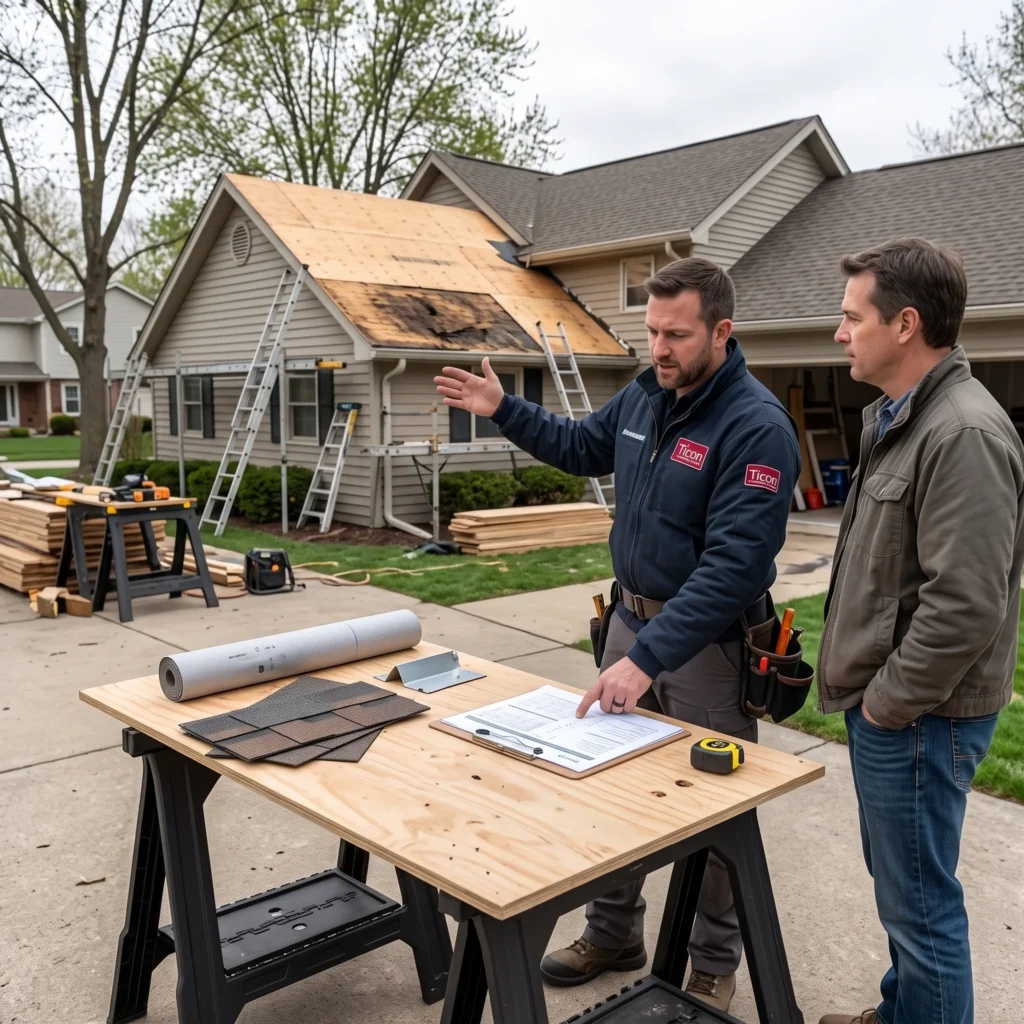
A roof installation may require additional preparation when the property has concealed damage, difficult access, complex geometry, multiple roofing layers, drainage complications, or other site-specific challenges.
The scope and cost can be affected by the roof size and slope, the selected material, required removal and disposal, deck condition, flashing and underlayment needs, ventilation and drainage details, labor, access, weather, and applicable project requirements.
Storm damage or concealed deterioration discovered after removal can also affect the work needed. The scope should reflect the condition that is actually found, with any necessary changes explained before additional work proceeds.
Reviewing these possibilities early helps property owners understand which elements are included in the original proposal and which conditions may need separate approval if they arise.
Roof Installation Cost and Estimate Planning
Roof installation cost in Jamestown depends on the property and the roofing system being installed. A residential architectural-shingle replacement can have a substantially different cost structure from a commercial TPO or EPDM project.
Important cost factors include:
- Roof area, pitch, configuration, and the complexity of the layout.
- Selected material, product specifications, and required accessories.
- Existing roof layers, removal, disposal, and preparation.
- Roof-deck condition and any necessary corrective work.
- Underlayment, ice and water protection, flashing, ventilation, and drainage requirements.
- Labor, property access, weather-related scheduling, and project-specific conditions.
Storm damage and concealed problems can also change the work required. A general price-per-square-foot figure cannot account for every property, material, and installation condition.
A property-specific roofing estimate provides a clearer basis for understanding the expected investment. It should explain the proposed system, anticipated work, known limitations, and any circumstances that may affect the final scope or cost.
What a Detailed Roof Installation Estimate Should Include
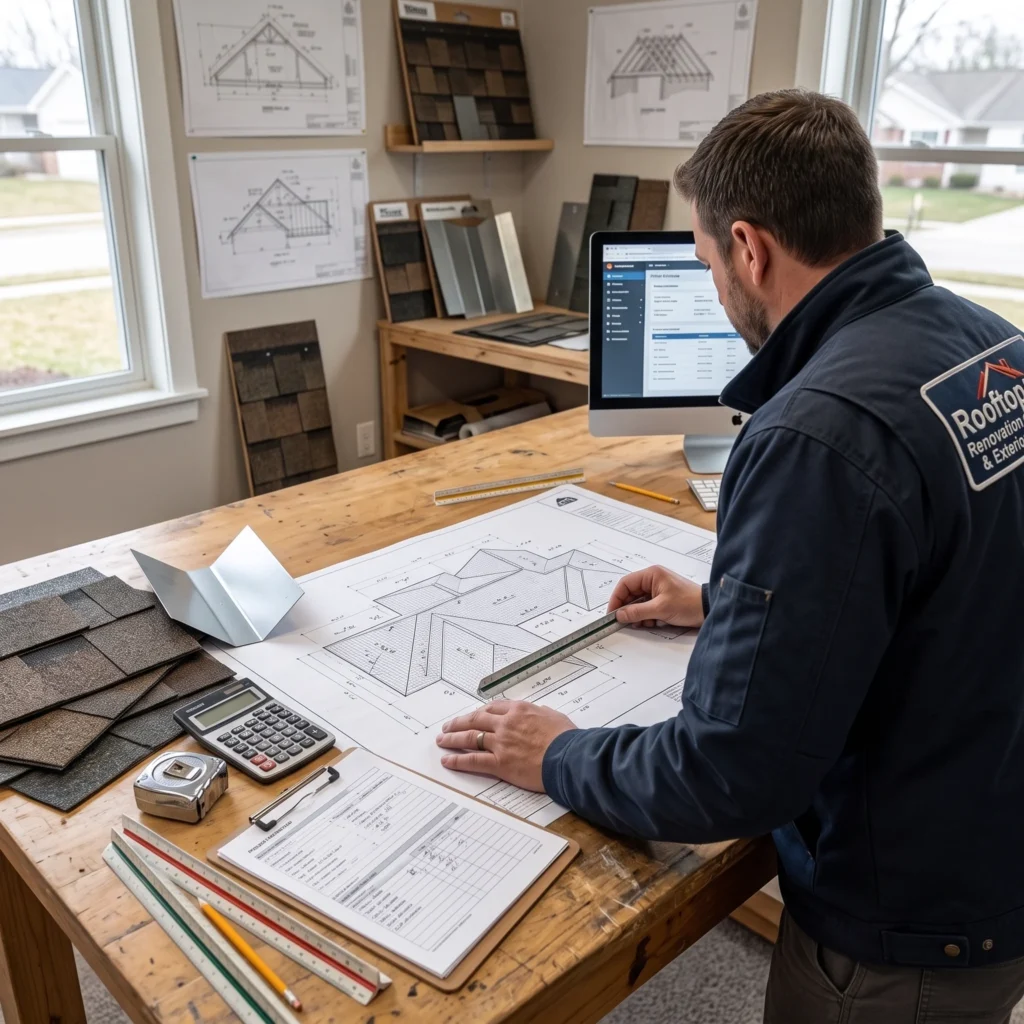
A roofing estimate should make the proposed work understandable before installation begins. It should describe the main roofing system and the preparation and finishing tasks included in the price.
Depending on the property and project scope, the written estimate may identify the roofing material and components, removal of existing materials, roof-deck preparation, underlayment, water protection, flashing, edge details, ventilation or drainage work, labor, disposal, access considerations, and relevant project assumptions.
It should also clarify which work is excluded or dependent on conditions that cannot be confirmed in advance. If the scope changes after concealed damage is discovered, the additional work and associated cost should be explained before it proceeds.
A clear estimate helps property owners compare roofing proposals based on the actual work and materials involved rather than relying on the headline price alone. It also provides a reference point for reviewing project progress and final completion.
Roof Installation Timeline and Scheduling
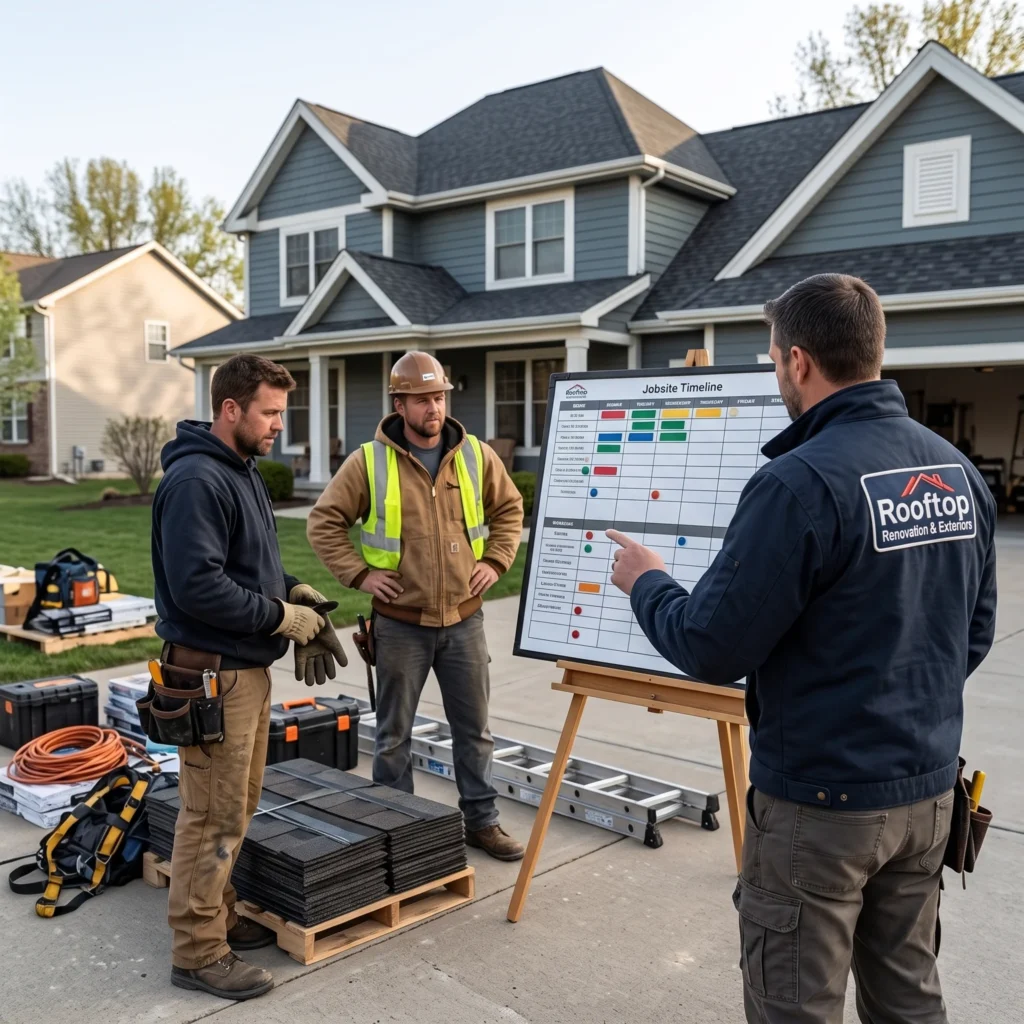
There is no single roof installation timeline that applies to every Jamestown property. Roof size, shape, material, preparation requirements, access, weather, existing conditions, and the complexity of the roofing system can all affect the schedule.
A straightforward replacement may require a different sequence and amount of time from a commercial installation involving a low-slope membrane, multiple penetrations, drainage details, or building-operation considerations.
Unexpected conditions after tear-off can also change the schedule when additional preparation becomes necessary. Weather may influence whether work can proceed under suitable conditions, particularly when selected products have specific installation requirements.
The project schedule should therefore be established around the approved scope and the actual property. Before work begins, property owners should understand the anticipated sequence, any known scheduling considerations, and how changes will be communicated.
Permit and Local Project Requirements in Jamestown
Permit and inspection requirements can depend on the property’s location, building type, and scope of roofing work. A roof replacement, new construction project, or broader exterior renovation may not follow the same approval process in every situation.
Before work begins, property owners should confirm which requirements apply to their specific project with the appropriate local permitting authority. The installation schedule should account for any required approvals or inspections.
Requirements should be confirmed for the actual property and proposed work rather than assuming that every roofing project needs the same permits or follows an identical process.
Storm Damage and Roof Replacement Decisions
Storm damage does not automatically mean a complete roof replacement is necessary. Hail, strong winds, heavy snow, ice, or falling debris can affect different portions of a roofing system, and the appropriate response depends on the observed condition and extent of the damage.
When damage is localized and the surrounding roof remains suitable, repair may be appropriate. Where the damage or existing deterioration is widespread, replacement may deserve consideration.
A professional assessment can help establish the physical condition before the repair or replacement scope is determined. For damage that may affect several exterior components, our storm restoration services provide information about the company’s broader storm-related work.
The decision should be based on the property rather than an assumption that all storm events require the same type of roofing project.
Warranty Information and Project Documentation
Roofing warranties can cover different parts of the project. Manufacturer coverage may relate to the roofing product or finish, while workmanship coverage relates to the installation under the applicable agreement. The exact protection depends on the selected product, written terms, installation requirements, and project conditions.
Before approving the installation, review:
- Which roofing products and components are covered.
- The specific workmanship coverage, if provided.
- Coverage duration, limitations, and exclusions.
- Any registration or documentation requirements.
- Maintenance responsibilities and procedures for raising a warranty concern.
No general statement about a roofing warranty should replace the written terms that apply to the actual project. Property owners should review those documents before installation begins and keep them with the final project records.
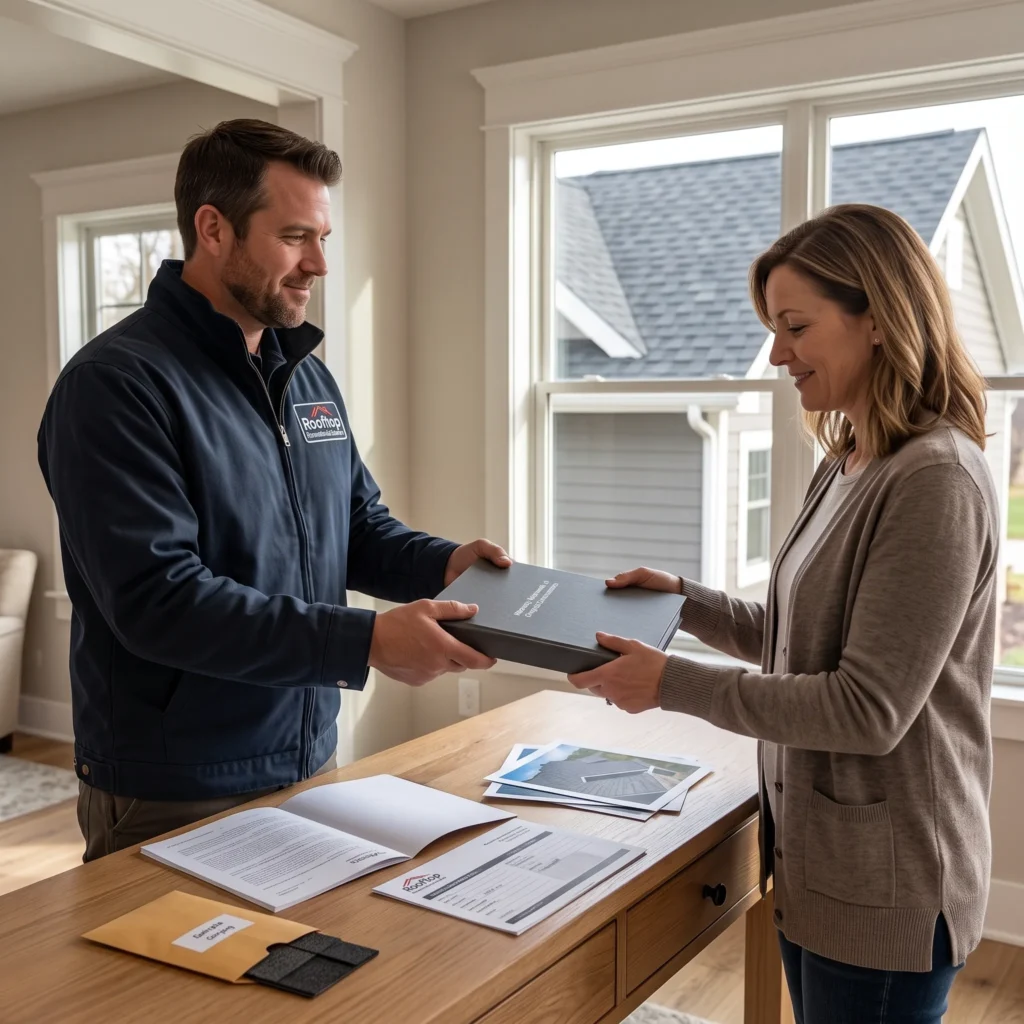
Useful records may include the written estimate, approved scope, product information, applicable warranty documents, and maintenance guidance. Having this information available can make future maintenance, inspections, and repair decisions easier to manage.
Roof Maintenance After Installation
A newly installed roof still benefits from routine attention. Property owners should monitor visible roofing materials, flashing, roof edges, gutters, drainage, and other accessible components for changes over time.
After hail, strong winds, heavy snow, or another significant weather event, a safe visual check can help identify obvious changes. Avoid climbing onto a potentially damaged roof, and arrange an appropriate assessment when a concern requires closer evaluation.
Keeping drainage paths clear and addressing visible concerns promptly can help reduce avoidable exposure to moisture. Maintenance cannot prevent every weather-related problem or eliminate normal material aging, but it can help identify developing issues before they become more extensive.
The suitable maintenance approach depends on the installed roofing system, building conditions, material requirements, and applicable warranty guidance. Property owners should follow the recommendations that apply to their particular roof.
Why Choose Rooftop Renovation & Exteriors for Jamestown Roof Installation
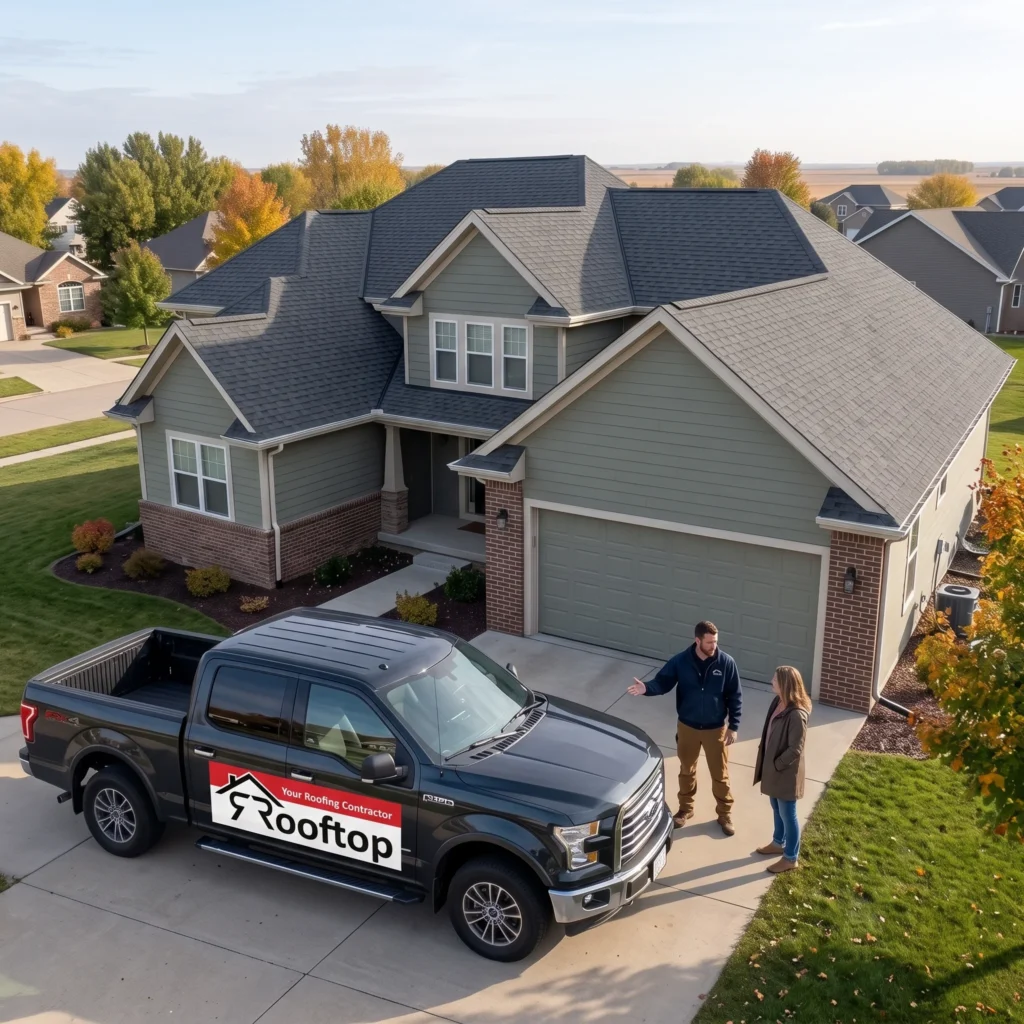
Rooftop Renovation & Exteriors is licensed and insured and holds GAF Master Elite certification. The company brings more than 25 years of combined roofing and construction experience and offers free estimates for roofing projects.
For a roof installation in Jamestown, the project should begin with a clear understanding of the property’s needs, the proposed roofing system, the preparation required, and the agreed scope of work. Material selection and installation planning should reflect the building’s design, existing conditions, weather exposure, and intended use.
A clear estimate and explanation of the proposed work help property owners understand the project before making a decision. To explore the broader range of available services, visit our roofing services in Jamestown.
Roof Installation Service Area Near Jamestown
Rooftop Renovation & Exteriors serves Jamestown and nearby communities, including Spiritwood, Ypsilanti, Buchanan, Pingree, and Eldridge.
Project availability can depend on the property’s location, roofing system, project scope, and scheduling. Contact our team to confirm service availability for your address.
For broader geographic information, visit our Rooftop Renovation service area page.
Property Owners Say About Rooftop Renovation
Trustindex verifies that the original source of the review is Google. Rooftop recently replaced all shingles and installed a solar attic fan for me. All work was completed satisfactorily and within promised time frames. They did an excellent job of clean-up after work was completed.Posted on GoogleTrustindex verifies that the original source of the review is Google. Shingles were replaced. I was happy with the process. Workers were very helpful and work was completed in a very timely manner and the yard was cleaned up before they leftPosted on GoogleTrustindex verifies that the original source of the review is Google. Rooftop Renovations did an outstanding job on our home. From start to finish, they communicated clearly and kept us informed every step of the way. They arrived right on schedule and completed the entire project professionally in just one day. We're extremely pleased with the results — thank you!Posted on GoogleTrustindex verifies that the original source of the review is Google. Professional, quality, and reliable!Posted on GoogleTrustindex verifies that the original source of the review is Google. Job well done!Posted on GoogleTrustindex verifies that the original source of the review is Google. Tyler and team were very professional and friendly. We've used them multiple times and they always do a great job.Posted on GoogleTrustindex verifies that the original source of the review is Google. They were fast and did a great job. No issues at all. Recommend them to do more work around the statePosted on GoogleTrustindex verifies that the original source of the review is Google. Very impressed with this business and the crew. They worked hard, got a big project done efficiently. Appreciate their hard work. The new roofs in our complex look great!!Posted on GoogleTrustindex verifies that the original source of the review is Google. Tyler and the crew at Rooftop Renovation are a 5 star organization and I have had two jobs done by them and they are truly fist class in all they so with siding and roofing and gutters. Couldn't recommend them any higher.Posted on GoogleTrustindex verifies that the original source of the review is Google. Our roof replacement was part of a much larger roof replacement project at our condo due to hail damage. We were impressed with the professional Management of all phases of striping and replacing the roof. Excellent attention to such details as proper cleanup
Frequently Asked Questions About Roof Installation in Jamestown
Yes. Existing roofing materials can cover damaged decking or moisture-related deterioration. Some conditions only become visible when the old roofing is removed or the affected area becomes accessible. Any additional work should be based on the condition found and explained before proceeding.
Sometimes. The replacement material must be suitable for the roof design, slope, supporting conditions, and intended use. The new system’s installation requirements and compatibility with the building should be evaluated before the final selection.
Useful details include the property address, reason for the project, known roofing concerns, previous work if known, approximate roof size, preferred material, and access or scheduling considerations. This information helps establish an appropriate starting point for the estimate.
Removing existing materials may reveal deteriorated decking, moisture-related damage, additional roof layers, or other conditions that were not visible beforehand. The proposed correction should reflect the actual condition and be explained before additional work proceeds.
Project scheduling can take building access, occupants, equipment, drainage, and normal operations into account. The practical approach depends on the property, selected roofing system, installation scope, and site conditions.
Yes. Rain, snow, ice, high winds, or unsuitable temperatures can affect safe access and material-specific installation requirements. The schedule should account for suitable working conditions and the protection of any areas exposed during roof removal.
No. The decision depends on the condition and number of existing roof layers, the selected new system, manufacturer requirements, and applicable project requirements. The existing roof should be evaluated before an approach is selected.
Review the proposed roofing material, installation scope, preparation work, expected scheduling, payment terms, relevant warranty information, and how changes in scope will be handled. The written agreement should explain the work being approved.
Plan Your Roof Installation in Jamestown, ND
A new roof should be designed around the property rather than selected by material or price alone. Roof condition, building type, slope, drainage, ventilation, weather exposure, preparation, and installation requirements all influence the project.
Whether you are planning residential roof replacement, commercial roofing, or a new roof for construction, Rooftop Renovation & Exteriors can discuss the property’s requirements and the available installation options.
Rooftop Renovation & Exteriors